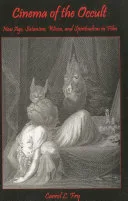
Cinema of the Occult
 80
80

Cinema of the Occult
Carrol L. Fry’s Cinema of the Occult offers a sharp, academic dissection of how filmmakers have weaponized occult religions as narrative scaffolding. Rather than rehashing common observations about magic in movies, Fry meticulously details the structural role these belief systems play, moving beyond mere aesthetics. A particular strength lies in the analysis of how occult themes become springboards for social critique, as seen in the discussion of films engaging with Gnosticism or ceremonial magic. However, the book occasionally feels weighted by its academic rigor, sometimes sacrificing narrative flow for exhaustive theoretical grounding. The examination of the cultural implications, particularly how these films function as flashpoints in national religious discourse, is where the work truly shines. Fry provides a vital, if dense, contribution to understanding cinema's complex relationship with the esoteric.
📝 Description
80
Carrol L. Fry's 2008 book analyzes occult religions as narrative structures in cinema.
Cinema of the Occult examines how filmmakers have used occult religions as narrative structures and thematic frameworks. The book analyzes films not just as entertainment, but as cultural artifacts that engage with and reflect societal attitudes toward esoteric beliefs. It traces the adaptation of occult motifs into visual storytelling, showing how these elements function within a film's plot and character development.
This work is for scholars of film studies, religious studies, and cultural history, as well as enthusiasts of occultism and esoteric traditions. It speaks to those interested in the intersection of media, spirituality, and social commentary. Readers will find value in its detailed analysis of specific films and their engagement with spiritual concepts, offering a critical lens through which to understand the cultural impact of films that engage with fringe belief systems.
Published in 2008, Cinema of the Occult appeared as academic and public interest in occultism surged. The early 21st century saw many films addressing magic, conspiracy, and alternative spiritualities. Fry's book arrived amid scholarly discussions on secularization and the persistent appeal of the supernatural, challenging simple views of declining religious adherence. It treated occult frameworks in cinema as tools for social criticism, questioning established norms and institutions.
💡 Why Read This Book?
• Learn how films like those discussed in the book adapt specific occult religions, such as ceremonial magic, not just as plot elements but as fundamental structural devices for their narratives. • Understand the concept of films as 'flash points' in national discourse on religion, providing concrete examples from the early 21st century's cinematic landscape. • Gain insight into how filmmakers utilize esoteric frameworks as springboards for social criticism, analyzing specific techniques and thematic outcomes presented in the text.
⭐ Reader Reviews
Honest opinions from readers who have explored this book.
❓ Frequently Asked Questions
What specific occult religions are explored in Cinema of the Occult?
The book examines various occult traditions as adapted by filmmakers, including but not limited to Gnosticism, ceremonial magic, and other esoteric spiritualities, analyzing their narrative function and cultural impact.
When was Cinema of the Occult first published?
Cinema of the Occult by Carrol L. Fry was first published in December 2008.
Does the book analyze contemporary films or historical ones?
The book analyzes films that were relevant around its publication date in 2008, focusing on how occult themes were adapted and discussed in the cultural discourse of that era.
What is the primary argument regarding films and religion?
Fry argues that films employing occult religions serve as crucial flash points in national discourse about religion and act as vehicles for social criticism, challenging established norms.
Is this book suitable for casual movie fans or academics?
While accessible to serious film enthusiasts, the book's academic rigor and analytical depth make it particularly valuable for scholars in film studies, religious studies, and cultural history.
What does the book mean by 'framing devices' for occult religions?
It refers to how filmmakers use occult belief systems not just as background elements, but as core structural components that shape the plot, character motivations, and thematic concerns of the film.
🔮 Key Themes & Symbolism
Occultism as Narrative Structure
This theme focuses on the meticulous examination of how specific occult religions and practices are integrated into cinematic narratives not as mere set dressing, but as fundamental framing devices. Fry illustrates how filmmakers leverage complex esoteric systems, such as Gnosticism or ceremonial magic, to structure plots, develop characters, and establish thematic coherence. The analysis moves beyond surface-level representation to uncover the underlying symbolic logic and ritualistic patterns employed to drive the story forward, demonstrating a sophisticated understanding of both film theory and occult traditions.
Film as Cultural Discourse
The book posits that films engaging with occult themes function as significant flash points within the broader national discourse on religion. Fry argues that these cinematic works provide a platform for discussing and often challenging prevailing religious orthodoxies and societal norms. By exploring the cultural implications of such films, the work highlights cinema's role in mediating public perception of esoteric beliefs and practices, acting as a space where alternative spiritualities are debated and understood, or misunderstood, by a wider audience.
Social Criticism Through Esotericism
A central tenet of Cinema of the Occult is the exploration of how esoteric frameworks within films serve as springboards for social criticism. Fry demonstrates how filmmakers utilize the often counter-cultural or marginalized nature of occult religions to question established social, political, or religious institutions. These films become vehicles for critique, offering alternative perspectives or highlighting societal hypocrisies by employing the symbolic language and worldview of esoteric traditions, thus providing a unique lens for analyzing contemporary social issues.
Adaptation and Interpretation
This theme addresses the process by which filmmakers adapt existing occult religions for cinematic purposes. Fry analyzes the transformations and reinterpretations that occur when complex spiritual systems are translated into visual and narrative mediums. The work explores the challenges and creative liberties involved in this adaptation, considering how the essence of occult traditions is preserved, altered, or abstracted to serve the demands of filmmaking. It underscores the dynamic interplay between source material and cinematic representation.
💬 Memorable Quotes
Direct passages from the work, attributed to the author.
“Filmmakers have adapted existing occult religions as framing devices for their work.”
— This core assertion highlights the book's central thesis: that occult beliefs function structurally within films, not just thematically. It suggests a deliberate use of esoteric systems to build narrative architecture.
“These films act as flash points in the national discourse on religion.”
— This interpretation emphasizes the cultural impact of occult-themed cinema, positioning it as a site where societal conversations about spirituality, belief, and skepticism are amplified and debated.
“Occult frameworks serve as springboards for social criticism.”
— This concept underscores the critical function of esoteric cinema, suggesting that filmmakers use alternative spiritual or magical paradigms to question and critique mainstream societal structures and values.
“The book discusses the cultural implications of films that adapt occult religions.”
— This points to the broader societal effects of these cinematic adaptations, focusing on how they influence public understanding, perception, and engagement with esoteric traditions.
💡 Key Ideas
Editorial paraphrase of the work's core concepts — not direct quotes.
The work explores the cinematic adaptations of occult religions as narrative devices.
This paraphrased concept reiterates the book's analytical focus on the technical and artistic ways filmmakers employ occult lore to construct compelling stories and visual experiences.
🌙 Esoteric Significance
Tradition
While not strictly belonging to a single lineage, Cinema of the Occult engages with the broad spectrum of Western Esotericism, touching upon themes often found in Hermeticism, Gnosticism, and ceremonial magic. It situates these traditions within contemporary popular culture, analyzing their adaptation and representation. The work departs from traditional esoteric scholarship by focusing on media studies and cultural criticism, using film as the primary lens through which to understand the diffusion and perception of esoteric ideas in the modern world.
Symbolism
The book likely explores symbols associated with various occult traditions, such as the pentagram, the Ouroboros, or alchemical imagery, as they appear in films. These symbols are interpreted not just for their inherent esoteric meaning but for how filmmakers re-contextualize them to evoke specific moods, themes, or character archetypes within the cinematic narrative. The adaptation of these visual signifiers is analyzed for its impact on audience perception and its contribution to the film's overall thematic development.
Modern Relevance
Contemporary scholars and filmmakers interested in the intersection of spirituality and media continue to draw on the analytical frameworks established in works like Cinema of the Occult. The book's focus on how occult themes are adapted for narrative and used for social commentary remains highly relevant in an era saturated with digital media, streaming services, and a renewed public interest in mysticism and alternative belief systems. It provides a foundation for understanding the ongoing cultural dialogue between esotericism and visual storytelling.
👥 Who Should Read This Book
• Film studies scholars seeking to understand the symbolic and narrative function of occult religions in cinema. • Students of religious studies interested in how esoteric beliefs are represented and debated in popular culture. • Cultural historians examining the early 21st-century discourse surrounding religion, media, and alternative spiritualities. • Enthusiasts of occultism who wish to analyze how their traditions are portrayed and interpreted on screen.
📜 Historical Context
Published in December 2008, Carrol L. Fry's Cinema of the Occult arrived at a juncture where academic and popular fascination with esotericism was experiencing a resurgence. The early 21st century saw a proliferation of films engaging with themes of magic, conspiracy, and alternative spirituality, making Fry's analysis particularly timely. The work engaged with a scholarly landscape increasingly attentive to the representation of religion and the supernatural in media, moving beyond simplistic classifications of 'occult films.' It offered a counterpoint to purely secular interpretations of modern culture, acknowledging the persistent appeal and societal relevance of esoteric traditions. While not directly engaging with, for example, the works of scholars like Joscelyn Godwin who were tracing occultism's historical roots, Fry's book addressed the contemporary manifestations of these interests within popular cinema.
📔 Journal Prompts
Cinematic adaptations of occult religions as narrative structures: analyze a film's plot through this lens.
The function of films as 'flash points' in national discourse on religion: reflect on a contemporary example.
Filmmakers using esoteric frameworks for social criticism: identify a film and its target societal critique.
The cultural implications of occult cinema: consider how public perception of traditions like Gnosticism might be shaped.
Analyze a specific film's use of ceremonial magic as a framing device.
🗂️ Glossary
Occult Religions
Spiritual, mystical, or magical traditions that are typically hidden, secret, or outside the mainstream religious and scientific consensus of a given era.
Framing Devices
Narrative or structural elements within a film that shape the audience's understanding of the story, characters, or themes, in this context, drawn from occult belief systems.
Flash Points
Moments or events, such as the release of a film, that intensify public discussion and debate on a particular issue, here specifically concerning religion and belief.
Social Criticism
The use of literary or artistic works, like films, to analyze and critique societal structures, norms, and institutions, often highlighting injustices or flaws.
Esoteric
Relating to or accessible only by a select group of people possessing special, advanced knowledge or insight, often of a spiritual or mystical nature.
Gnosticism
A complex set of religious ideas and systems originating in the first and second century AD, emphasizing a secret knowledge (gnosis) for salvation and often positing a dualistic worldview.
Ceremonial Magic
A system of ritualistic magic that often employs specific procedures, tools, and invocations, frequently drawing on symbolic systems from traditions like the Kabbalah or Hermeticism.