Chakra tonics

 73
73

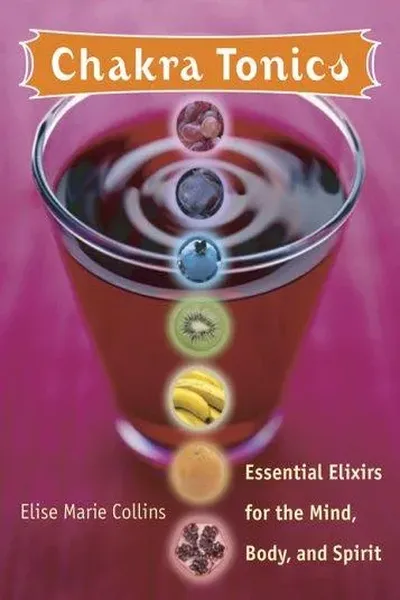
Chakra tonics
Elise Marie Collins’s Chakra Tonics offers a refreshingly grounded perspective on the body’s energy centers. Rather than relying on New Age platitudes, Collins grounds her exploration in actionable practices, a significant strength. The book’s directness is commendable, particularly in its emphasis on the physical and emotional manifestations of chakra imbalances. One concrete passage that stands out is the detailed description of the solar plexus chakra and its connection to personal power and digestion, offering practical advice for its activation. However, the work occasionally leans towards a prescriptive tone, which might feel limiting to those seeking a more exploratory or less directive approach. Despite this, Chakra Tonics provides a valuable, hands-on guide for engaging with the chakra system.
📝 Description
73
Elise Marie Collins’s Chakra Tonics details practical methods for balancing the body's subtle energy centers.
Chakra Tonics by Elise Marie Collins provides a structured guide to understanding and working with the seven primary chakras. The book translates ancient yogic concepts and contemporary esoteric thought into actionable techniques for readers. Collins moves beyond theory to offer specific practices, meditations, affirmations, and lifestyle changes aimed at harmonizing these energetic points. The goal is to help individuals deepen their connection to their physical and energetic selves, fostering greater vitality, emotional clarity, and spiritual awareness. This approach is suitable for those new to chakra work as well as experienced practitioners seeking fresh perspectives.
Collins situates her work within the mid-20th century Western interest in Eastern philosophies and subtle energy systems. While acknowledging the origins of chakra concepts in ancient Indian traditions, she offers a modern interpretation. The book focuses on the seven main chakras, describing their associated colors, elements, and qualities. It then proposes specific "tonics" designed to address imbalances and promote well-being.
This book connects with the Western esoteric interest in Eastern philosophies that grew in the mid-20th century. It builds upon earlier popularizations of concepts like chakras, which originated in ancient Indian yogic traditions. Collins offers a contemporary perspective on these subtle energy systems, making them accessible to a modern audience interested in spiritual development and self-discovery. The work addresses how these energetic centers influence physical, emotional, and spiritual states.
💡 Why Read This Book?
• You will learn specific, actionable "tonics" for harmonizing each of the seven primary chakras, moving beyond mere theory to practical application, as detailed in the book's core sections. • Gain insight into the physical and emotional correlates of chakra imbalances, enabling you to identify and address energetic disruptions directly, informed by the symptomology described for each chakra. • Discover a contemporary approach to an ancient system that integrates yogic principles with modern esoteric understanding, offering practices that can be integrated into daily life from the first chapter onwards.
⭐ Reader Reviews
Honest opinions from readers who have explored this book.
❓ Frequently Asked Questions
What is the primary purpose of the 'tonics' mentioned in Elise Marie Collins's book?
The 'tonics' in Chakra Tonics are specific practices designed to balance, activate, and harmonize the body's seven primary chakras. They are presented as actionable methods, including meditations, affirmations, and lifestyle adjustments, to address energetic imbalances.
When was Chakra Tonics first published?
Chakra Tonics by Elise Marie Collins was first published in 2024. This recent publication offers a contemporary perspective on the chakra system.
What historical traditions influence the concepts discussed in Chakra Tonics?
The book draws heavily from ancient Indian yogic traditions, which originated the concept of chakras. It also situates itself within the broader Western esoteric interest in subtle energy systems that emerged more prominently in the mid-20th century.
Can beginners use Chakra Tonics effectively?
Yes, the book is designed for both beginners and experienced practitioners. It offers a structured approach and practical techniques that make the chakra system accessible to those new to energy work.
How does Chakra Tonics differ from other books on chakras?
Chakra Tonics distinguishes itself through its focus on practical 'tonics' and its grounded approach, connecting chakra work to physical and emotional well-being, rather than solely theoretical or purely spiritual aspects.
What are the main benefits of balancing chakras according to the book?
Balancing chakras, as explored in the book, is presented as a means to enhance vitality, achieve emotional clarity, deepen spiritual awareness, and improve overall holistic well-being by harmonizing the body's subtle energy centers.
🔮 Key Themes & Symbolism
The Seven Primary Chakras
The book meticulously details the seven major chakras, from the root (Muladhara) to the crown (Sahasrara). Each chakra is presented as a distinct energetic vortex influencing specific physical, emotional, and spiritual aspects of being. Collins explores their unique colors, elements, and associated qualities, providing readers with a comprehensive map of these vital energy centers. The emphasis is on understanding their function and interconnectedness within the subtle body, moving beyond simplistic interpretations to a more nuanced appreciation.
Energetic Imbalance and Manifestation
A core theme is recognizing how imbalances within the chakra system manifest in our physical, emotional, and mental lives. Collins connects specific symptoms – such as fatigue, anxiety, or difficulty with communication – to blockages or overactivity in particular chakras. This allows readers to identify potential energetic disruptions by observing their own experiences, creating a bridge between internal energetic states and external lived realities. The work encourages self-awareness as a primary tool for diagnosis.
Practical Tonics for Harmonization
The concept of 'tonics' forms the practical heart of the book. These are specific, actionable techniques designed to restore balance and vitality to the chakras. This includes guided meditations, targeted affirmations, breathwork exercises, and lifestyle recommendations such as diet and movement. The focus is on empowering readers with tools they can readily integrate into their daily routines to actively cultivate energetic health and well-being.
Holistic Well-being and Self-Discovery
Ultimately, Chakra Tonics frames the work on chakras as a path toward holistic well-being and deeper self-discovery. By tending to the energetic body, readers are encouraged to cultivate greater vitality, emotional resilience, mental clarity, and spiritual connection. The book suggests that a balanced chakra system supports a more integrated and fulfilling life, promoting a sense of inner harmony and empowering individuals on their personal growth journeys.
💬 Memorable Quotes
Direct passages from the work, attributed to the author.
“Each chakra is a vibrant wheel, influencing our physical health, emotional states, and spiritual connection.”
— This statement expresses the book's foundational premise: the chakras are not abstract concepts but dynamic centers of energy with tangible effects on all aspects of human experience, from the material to the transcendent.
“Imbalances in the sacral chakra can manifest as creative blocks or emotional dependency.”
— This highlights the book's practical approach, linking specific energetic centers to observable psychological and behavioral patterns, offering concrete examples of how chakra work relates to everyday life.
“The solar plexus chakra governs our personal power and sense of self-worth.”
— This interpretation emphasizes the connection between the third chakra and core aspects of identity and agency, suggesting that its balance is crucial for self-confidence and assertiveness.
“Simple breathwork can powerfully stimulate the heart chakra, fostering compassion and connection.”
— This illustrates the 'tonic' approach, pointing to accessible practices like breathwork as effective means to directly influence specific chakras and their associated qualities, such as love and empathy.
💡 Key Ideas
Editorial paraphrase of the work's core concepts — not direct quotes.
By harmonizing our energy centers, we move towards greater wholeness and vitality.
This paraphrased concept summarizes the overarching goal of the book: that the diligent practice of chakra balancing leads to an integrated state of being, marked by increased life force and overall health.
🌙 Esoteric Significance
Tradition
The work aligns with the Western esoteric tradition's engagement with Indian yogic philosophy, particularly the concept of chakras as subtle energy centers. It departs from purely classical yogic texts by framing these concepts within a modern, accessible context, often emphasizing psychological and physical well-being alongside spiritual development. It fits within the broader New Age movement's synthesis of Eastern spiritual ideas with Western psychological and healing modalities.
Symbolism
The book frequently utilizes the lotus flower as a symbol, representing the unfolding consciousness associated with each chakra, particularly the crown chakra. Colors are also paramount, with each chakra assigned a specific hue (e.g., red for the root, blue for the throat) that signifies its energetic qualities and correspondences. The concept of a 'wheel' or 'vortex' itself is symbolic of continuous energetic flow and transformation within the subtle body.
Modern Relevance
Chakra Tonics speaks to contemporary practices in mindfulness, energy healing modalities like Reiki, and holistic psychotherapy. Modern practitioners often integrate chakra awareness into their work, seeking to address stress, emotional trauma, and physical ailments. The book's emphasis on practical application makes it relevant to a generation seeking tangible tools for self-care and personal growth, bridging ancient wisdom with current wellness trends.
👥 Who Should Read This Book
• Individuals new to esoteric concepts and energy work seeking a clear, practical introduction to the chakra system and its role in holistic health. • Yoga practitioners and meditation enthusiasts looking to deepen their understanding of subtle anatomy and integrate specific energetic balancing techniques into their existing routines. • Wellness professionals and therapists interested in incorporating chakra-based concepts and practices into their client work to address mind-body interconnectedness.
📜 Historical Context
Elise Marie Collins's Chakra Tonics, published in 2024, enters a discourse on subtle energy that has evolved significantly since the mid-20th century. The popularization of the chakra system in the West accelerated after World War II, influenced by the translation of ancient Indian texts and the work of figures like Swami Vivekananda and later, Paramahansa Yogananda. By the 1970s, books by authors such as Richard Rudolph and Rosalind Sharpe brought chakra concepts into New Age circles. Collins's work builds on this lineage, offering a contemporary, practice-oriented interpretation. While not directly engaging with the same intellectual currents as, for instance, the Theosophical Society's early explorations of Indian metaphysics in the late 19th century, Chakra Tonics reflects a persistent modern fascination with holistic health and esoteric anatomy that has become a significant niche within wellness and spiritual studies.
📔 Journal Prompts
Reflect on the root chakra's connection to security and grounding.
Consider the throat chakra's role in authentic communication.
Explore the heart chakra's influence on compassion and relationships.
Identify potential imbalances related to the solar plexus chakra.
Contemplate the crown chakra's connection to higher consciousness.
🗂️ Glossary
Chakra
From Sanskrit, meaning 'wheel' or 'vortex'. In esoteric traditions, chakras are understood as energy centers within the subtle body that regulate the flow of life force (prana).
Prana
The vital life force or energy that permeates all living beings. Practices like yoga and meditation aim to circulate and balance prana within the body.
Subtle Body
A non-physical energetic body that complements the physical body. It includes energy channels (nadis) and energy centers (chakras).
Muladhara
The root chakra, typically located at the base of the spine. It is associated with grounding, security, and physical survival.
Svadhisthana
The sacral chakra, located in the lower abdomen. It is associated with creativity, emotions, sexuality, and pleasure.
Manipura
The solar plexus chakra, located in the upper abdomen. It is associated with personal power, self-esteem, and willpower.
Anahata
The heart chakra, located in the center of the chest. It is associated with love, compassion, joy, and emotional balance.
🔮 Readers Also Liked
Browse all →









More by Elise Marie Collins
All books →
More Free Spiritual Development Books
View all →