Why people don't heal and how they can

 73
73

Why people don't heal and how they can
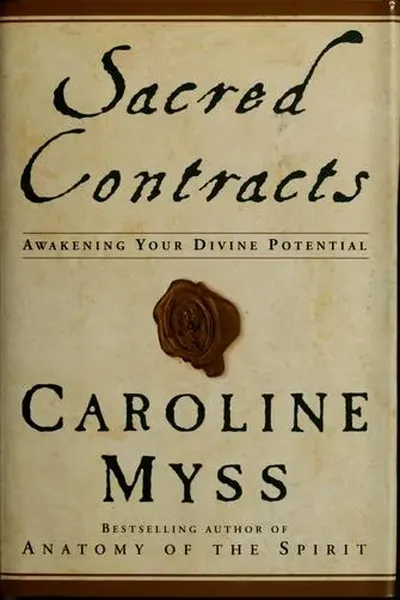
Caroline Myss’s 1992 text offers a compelling, if sometimes dense, exploration of how personal power—or the lack thereof—manifests as physical ailments. Its strength lies in its direct challenge to a purely materialistic view of health, positing that illness is a language of the soul. The concept of "woundology," detailing how individuals can become attached to victimhood and perpetuate their suffering, is particularly incisive. However, the book’s reliance on abstract spiritual concepts can occasionally make practical application feel distant for the uninitiated. Myss’s assertion that "you are your own healer" is a powerful, empowering call, but the path to achieving this self-mastery is not always clearly illuminated. It’s a foundational text for understanding Myss’s later work on archetypes and the human condition.
📝 Description
73
Caroline Myss's 1992 book argues that physical illness often stems from deeper energetic and psychological blockages.
First published in 1992, Caroline Myss's early work challenges conventional medical views by suggesting that disease is frequently a manifestation of spiritual imbalance. The book proposes a framework where a person's beliefs, emotions, and spiritual state directly impact their physical health. Myss asserts that genuine healing requires addressing these root causes rather than solely focusing on physical symptoms. This perspective appeals to individuals who find traditional medical treatments insufficient for chronic or unexplained ailments and are interested in the connection between their inner lives and physical well-being.
Myss's approach grounds its concepts in an analysis of human consciousness and its relationship to disease, drawing from various spiritual traditions. She introduces the idea of "dis-ease" as a spiritual imbalance and the concept of "woundology," which describes patterns of victimhood that perpetuate illness. The book examines the influence of intention, belief systems, and personal narrative on health outcomes. It also touches upon the energetic body and the role of archetypes in understanding recurring patterns of illness and life challenges, suggesting that a person's spiritual condition plays a significant role in their overall health.
Published in 1992, this work appeared during a growing public interest in mind-body medicine and alternative healing. Myss's approach distinguished itself by analyzing human consciousness and disease through a structured lens, drawing from diverse spiritual traditions without rigidly adhering to any single one. Her focus on "dis-ease" as a spiritual imbalance and the impact of personal narrative on health aligns with broader esoteric traditions that view the physical body as interconnected with subtler energetic and spiritual systems.
💡 Why Read This Book?
• Gain insight into the concept of "woundology" and how identifying patterns of victimhood, as detailed in the book, can be the first step toward reclaiming personal power over chronic conditions. • Understand how belief systems, a core concept explored in the text, can directly influence physical health, offering a framework to examine your own deeply held assumptions that might be impacting your well-being. • Learn about the energetic body and its connection to illness, a perspective introduced in the book’s initial publication era (1992), providing a unique lens for interpreting unexplained symptoms beyond conventional medical diagnoses.
⭐ Reader Reviews
Honest opinions from readers who have explored this book.
❓ Frequently Asked Questions
What is Caroline Myss's core message in 'Why People Don't Heal'?
Caroline Myss's core message is that physical illness often stems from unresolved emotional, psychological, and spiritual issues. She argues that true healing involves addressing these deeper "dis-eases" by taking personal responsibility for one's life and beliefs, rather than solely relying on external medical treatments.
When was 'Why People Don't Heal' first published?
The book 'Why People Don't Heal and How They Can' by Caroline Myss was first published in 1992. This places it within the early wave of popular literature exploring the mind-body connection and alternative healing methods.
What does Myss mean by 'woundology'?
Myss uses the term 'woundology' to describe a pattern where individuals become attached to their suffering and victimhood. This attachment can unconsciously perpetuate illness and prevent healing, as the identity becomes tied to the ailment itself.
Does this book offer practical healing techniques?
While the book presents a philosophical and energetic framework for understanding illness, its primary focus is on shifting one's perspective and internal state. Practical techniques are often implied through the concepts of self-awareness, personal responsibility, and spiritual inquiry rather than explicit step-by-step guides.
How does this book relate to other esoteric traditions?
Myss draws on various spiritual and esoteric concepts, including archetypes, energetic anatomy, and the power of belief, which are found in traditions like Hermeticism and Gnosticism. However, she synthesizes these into her own distinct model of human consciousness and healing.
Is 'Why People Don't Heal' considered part of the New Age movement?
Published in 1992, the book shares thematic elements with the New Age movement's focus on holistic health and personal empowerment. However, Myss's approach is often seen as more structured and grounded in psychological archetypes than some other New Age literature.
🔮 Key Themes & Symbolism
The Energetic Nature of Illness
Myss posits that illness is not merely a physical malfunction but a manifestation of energetic blockages and spiritual imbalances. She suggests that emotions, beliefs, and unresolved traumas create dissonances within the body's energy field. The work explores how these energetic patterns can precede and ultimately contribute to the development of physical symptoms, challenging a purely biomedical model. This perspective aligns with esoteric concepts of subtle bodies and energetic anatomy.
Woundology and Victimhood
A central concept is "woundology," which describes the psychological tendency to identify with one's suffering and victimhood. Myss argues that this pattern can become a self-perpetuating cycle, where individuals unconsciously resist healing because their identity is too closely tied to their illness or past traumas. This theme encourages readers to examine their narratives and motivations for holding onto pain.
Personal Power and Self-Healing
The book strongly advocates for personal responsibility in the healing process. Myss asserts that individuals possess an inherent capacity for self-healing, which is activated by shifting consciousness, beliefs, and intentions. The work emphasizes the power of choice and the ability to influence one's health outcomes by understanding and transforming one's internal world, moving away from a passive patient role.
Spiritual Archetypes and Illness
While more developed in her later works, the seeds of Myss's exploration of archetypes are present here. The book suggests that certain recurring patterns of illness or life challenges may be linked to universal human archetypes and the stories we tell ourselves. Understanding these archetypal influences can provide a deeper framework for comprehending the symbolic meaning behind physical ailments.
💬 Memorable Quotes
Direct passages from the work, attributed to the author.
“Illness is the body's cry for healing and wholeness.”
— This highlights Myss's core thesis that physical symptoms are a communication from the body. It suggests that disease is not an arbitrary event but a signal that something deeper requires attention and transformation for the individual to achieve a state of complete well-being.
“You are your own healer. No one can do it for you.”
— This emphasizes personal agency and the internal locus of control in the healing process. It posits that while external support is valuable, the ultimate power to effect change and achieve true healing resides within the individual's consciousness and choices.
“The greatest act of healing is to forgive.”
— This points to the spiritual and emotional dimensions of healing. Forgiveness, both of oneself and others, is presented as a powerful release mechanism that can break cycles of pain and resentment, thereby facilitating physical and emotional restoration.
“Woundology keeps you from your power.”
— This succinctly defines the concept of 'woundology' as a disempowering state. It suggests that clinging to victimhood and suffering actively blocks an individual's access to their own inner strength and capacity for positive change and healing.
💡 Key Ideas
Editorial paraphrase of the work's core concepts — not direct quotes.
We become what we believe ourselves to be.
This paraphrased concept underscores the wide impact of belief systems on our reality, including our physical health. It suggests that our deeply held convictions shape our identity and experiences, making conscious cultivation of empowering beliefs crucial for well-being.
🌙 Esoteric Significance
Tradition
Myss's work draws heavily from a broad spectrum of esoteric thought, particularly Christian mysticism, Jungian psychology, and comparative mythology. While not strictly adhering to any single lineage like Hermeticism or Kabbalah, she synthesizes concepts of divine power, archetypal patterns, and the energetic nature of reality. Her emphasis on personal divine authority and the symbolic language of the body aligns with Gnostic principles of inner knowledge and liberation from material limitations, though she frames it within a more accessible, modern psychological context.
Symbolism
The book frequently employs symbolic language, often drawing from Christian iconography and universal archetypes. For instance, the concept of "woundology" itself can be seen as a modern interpretation of the "wounded healer" archetype, where suffering becomes a conduit for wisdom and empathy. The body is presented as a symbolic text, with physical ailments representing deeper spiritual or psychological narratives. Myss uses these symbols to decode the messages of the soul, encouraging readers to see their physical reality as a reflection of their inner state.
Modern Relevance
Myss's concepts, particularly "woundology" and the emphasis on personal power in healing, continue to influence contemporary self-help and wellness movements. Thinkers and practitioners in fields like trauma-informed care, consciousness studies, and integrative medicine often reference or echo her ideas about the psychological and spiritual roots of illness. Her work remains a foundational text for those exploring archetypal psychology and the deeper meaning behind physical and emotional suffering in the 21st century.
👥 Who Should Read This Book
• Individuals experiencing chronic or unexplained physical ailments who are seeking to understand potential underlying psychological or spiritual causes. • Students of comparative religion and esoteric philosophy interested in how modern psychology intersects with ancient spiritual concepts of healing and consciousness. • Personal development seekers aiming to deepen their self-awareness and take greater responsibility for their health and well-being by examining their belief systems and emotional patterns.
📜 Historical Context
Caroline Myss’s "Why People Don't Heal and How They Can," released in 1992, emerged during a cultural moment ripe for exploring the mind-body connection. The early 1990s witnessed a significant public embrace of holistic health, influenced by the burgeoning New Age movement and figures like Deepak Chopra, whose "Quantum Healing" also appeared around this time. Myss’s work distinguished itself by integrating psychological archetypes and a more structured, almost theological, framework for understanding disease, drawing from Christian mysticism and comparative mythology. Unlike some New Age texts that focused purely on positive thinking, Myss introduced the challenging concept of "woundology," exploring how individuals might unconsciously perpetuate their own suffering. Her approach offered a more complex, often confrontational, path to healing that resonated with those seeking deeper spiritual accountability beyond superficial affirmations. The book's initial reception was significant within alternative health circles, establishing Myss as a prominent voice in the discourse on spiritual healing.
📔 Journal Prompts
Analyze your personal "woundology" in relation to a recurring physical symptom.
Identify three core beliefs you hold about your body and its capacity for healing.
How does the concept of "dis-ease" as a spiritual imbalance manifest in your daily life?
Reflect on the symbolic message your body might be communicating through a current health challenge.
What does "personal power" mean in the context of your own healing journey?
🗂️ Glossary
Dis-ease
A term used to denote a state of spiritual or energetic imbalance that precedes and contributes to physical illness. It signifies a lack of harmony within the self, rather than just a physical symptom.
Woundology
A psychological pattern characterized by an attachment to one's suffering, victimhood, and illness. It describes how individuals can unconsciously identify with their wounds, hindering their ability to heal and reclaim personal power.
Energetic Body
Refers to the subtle, non-physical aspect of a person that comprises energy fields, chakras, and meridians. Myss suggests this energetic system is directly linked to physical health and can be influenced by thoughts, emotions, and spiritual state.
Archetype
Universal, primal symbols or themes that represent fundamental human experiences and motivations. In Myss's work, archetypes can inform our understanding of recurring patterns in life and illness.
Personal Power
The inherent capacity within an individual to influence their own life and health through conscious choice, belief, and intention. Myss emphasizes reclaiming this power as essential for healing.
Spiritual Cause
The underlying reason for an illness or life challenge that is rooted in the individual's beliefs, spiritual state, or energetic imbalances, rather than solely in physical or biological factors.
Healing
A holistic process encompassing physical, emotional, and spiritual restoration. It involves addressing the root causes of "dis-ease" and reclaiming personal power, leading to a state of wholeness.
🔮 Readers Also Liked
Browse all →









More by Caroline Myss
All books →




More Free Occult Philosophy Books
View all →



![Tales of the Unexpected [16 stories]](/img/thumb/tales-of-the-unexpected-16-stories-roald-dahl-051315.webp)