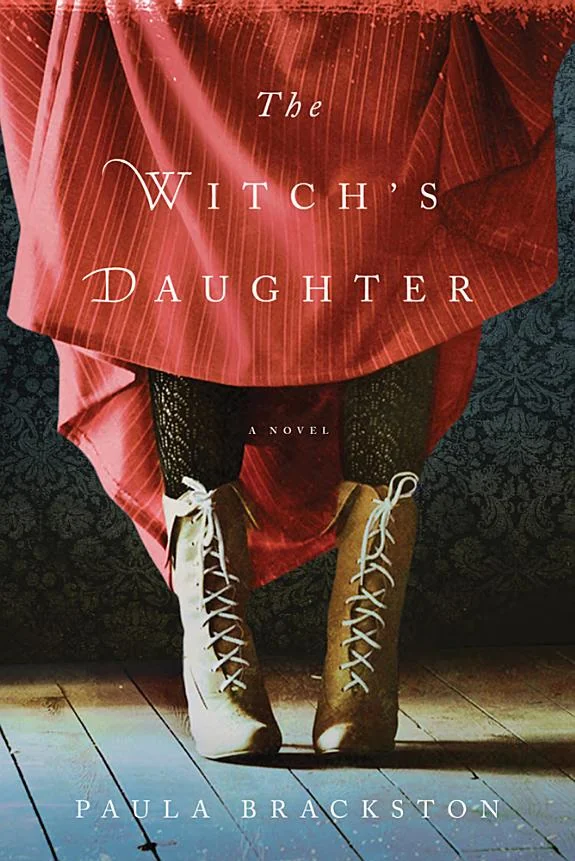
The witch's daughter
 73
73

The witch's daughter
Paula Brackston’s The Witch’s Daughter begins with a compelling premise: a young woman grappling with an unknown heritage. The strength of the novel lies in its atmospheric prose, particularly when describing the natural world and the subtle manifestations of magic. Brackston effectively builds a sense of unease and wonder around Elodie’s unfolding abilities. However, the pacing occasionally falters in the middle sections, with plot developments feeling somewhat drawn out before accelerating towards the conclusion. A particularly memorable aspect is the portrayal of the grandmother’s cryptic guidance, which serves as both a source of knowledge and a harbinger of future trials. The work’s examination of inherited magic and the moral choices it necessitates is its most significant contribution. Ultimately, The Witch's Daughter offers a solid, if uneven, exploration of a young witch’s awakening.
📝 Description
73
### What It Is
The Witch's Daughter is a novel that explores the intersection of folklore, magic, and personal identity through the eyes of its protagonist. The narrative centers on Elodie, a young woman who discovers her lineage and the hidden world of witchcraft.
### Who It's For
This book is suited for readers interested in character-driven narratives with a strong supernatural element. It will appeal to those who enjoy stories about self-discovery, the weight of inherited power, and the often-misunderstood nature of magic.
### Historical Context
Published in 2011, The Witch's Daughter emerged during a period of renewed interest in paganism and witchcraft in popular culture, often seen in television series and literature. It taps into a long tradition of tales featuring witches and their descendants, a theme explored by authors from Nathaniel Hawthorne in the 19th century to modern fantasy writers.
### Key Concepts
The novel engages with concepts of inherited magic, the duality of power (both its potential for good and harm), and the struggle for agency against predetermined fate. It examines the societal perceptions of those who wield or are connected to supernatural abilities.
💡 Why Read This Book?
• Gain insight into the concept of inherited magical abilities, as depicted through Elodie's journey and the lineage explored in the novel. • Experience a narrative that delves into the complexities of folklore and its connection to personal destiny, particularly concerning the ancestral magic. • Understand the challenges of self-discovery when one's identity is tied to supernatural power, as Elodie confronts her witch heritage.
⭐ Reader Reviews
Honest opinions from readers who have explored this book.
❓ Frequently Asked Questions
When was The Witch's Daughter first published?
The Witch's Daughter by Paula Brackston was first published in 2011, placing it within a contemporary wave of interest in magical realism and witchcraft narratives.
What is the primary theme of The Witch's Daughter?
The primary theme is the protagonist's discovery and acceptance of her inherited witchcraft, exploring the challenges and responsibilities that come with such a lineage.
Does the book focus on specific witchcraft practices?
While the book centers on the protagonist's inherent magical abilities and heritage, it draws upon general folklore and the concept of inherited power rather than detailing specific ritualistic practices.
Is The Witch's Daughter part of a series?
Yes, The Witch's Daughter is the first book in a series, followed by 'The Serpent's Daughter' and 'The Witch's Daughter's Son', continuing the narrative of Elodie and her family.
What kind of atmosphere does the book create?
The book cultivates an atmospheric and often mysterious tone, blending elements of the ordinary with the subtly supernatural, evoking a sense of ancient magic and hidden worlds.
Who is the author, Paula Brackston?
Paula Brackston is a British author known for her novels that often blend historical settings with elements of magic and folklore, with 'The Witch's Daughter' being one of her earlier works.
🔮 Key Themes & Symbolism
Inherited Magic and Lineage
The novel deeply explores the concept of magic as an inherited trait, passed down through generations. Elodie's journey is fundamentally about understanding and coming to terms with the witchcraft that courses through her blood. This theme delves into the weight of ancestral power and the question of whether such abilities are a gift or a burden. The narrative examines how lineage shapes identity and the inherent connection to a hidden world that comes with such a birthright.
Folklore and Mythic Roots
Brackston draws heavily on British folklore and archetypal figures associated with witchcraft. The story is steeped in the atmosphere of old tales, where magic is woven into the fabric of the natural world and ancient beliefs persist. The book uses these folkloric elements not just as decoration, but as integral components of the plot, influencing characters' actions and the unfolding destiny of Elodie.
Self-Discovery and Agency
At its core, The Witch's Daughter is a bildungsroman, charting Elodie's path to understanding who she is. Her discovery of her magical heritage forces her to confront societal prejudices and her own fears. The struggle for agency against the backdrop of a predetermined magical destiny is a central conflict. Elodie must learn to harness her powers while forging her own identity, distinct from the expectations placed upon her by her lineage.
The Duality of Power
The narrative implicitly explores the dual nature of magical power. It is presented as something potent, capable of great influence, but also something that carries significant responsibility and potential for misuse. The book touches upon the moral considerations that arise when wielding such abilities, prompting reflection on how power shapes choices and relationships, particularly within the context of a family legacy.
💬 Memorable Quotes
“Her grandmother's words were like roots, anchoring her to a history she never knew.”
— This interpretation highlights how ancestral knowledge and legacy can provide a sense of grounding and identity, even when that history is initially unknown or mysterious to the protagonist.
“Magic was not a choice, but a current running through her veins.”
— This paraphrase emphasizes the innate and inescapable nature of Elodie's magical abilities, suggesting they are a fundamental part of her being rather than something she actively acquired or chose.
“The old ways whispered secrets in the rustling leaves and the deep earth.”
— This concept suggests that ancient magic and traditional knowledge are intrinsically linked to the natural world, communicating subtle wisdom through natural phenomena.
“She was a daughter of the moon and the wild earth, marked by an ancient power.”
— This interpretation conveys the deep, elemental connection of the witch's daughter to nature and the supernatural, signifying a profound and ancient magical inheritance.
“Fear was a shadow that magic could both cast and dispel.”
— This signifies the complex relationship between fear and magic within the narrative; magic can be a source of terror, but also a tool to overcome fear and bring about change.
🌙 Esoteric Significance
Tradition
The Witch's Daughter draws from a broad, popular understanding of witchcraft that is rooted in European folklore and archetypal feminine power, rather than a specific, codified esoteric tradition like Hermeticism or Kabbalah. It aligns more with a modern, generalized interpretation of 'witchcraft' as an innate, nature-connected magical ability, often associated with ancestral lineage and intuition, a common theme in contemporary pagan-inspired fiction.
Symbolism
Key symbols include the natural world – forests, herbs, and the moon – which represent the source and manifestation of innate magic, connecting the protagonist to primal forces. The concept of lineage itself functions as a potent symbol of inherited destiny and power, while specific ancestral artifacts or locations may serve as conduits to the past and the magical abilities tied to them.
Modern Relevance
This work resonates with contemporary neo-pagan and witchcraft communities that emphasize personal experience, ancestral connection, and the integration of magic into everyday life. Modern practitioners often explore themes of reclaiming feminine power and understanding one's personal spiritual heritage, making narratives like The Witch's Daughter relevant for personal reflection and inspiration within these spiritual paths.
👥 Who Should Read This Book
• Readers interested in discovering their own perceived ancestral connections to folklore and magic, seeking narrative parallels to their personal journey. • Aspiring writers of fantasy and magical realism who wish to study character development centered on the discovery of supernatural abilities and identity. • Enthusiasts of contemporary interpretations of witchcraft and paganism in fiction, looking for stories that blend personal growth with mystical elements.
📜 Historical Context
Paula Brackston's The Witch's Daughter, published in 2011, arrived in a literary landscape increasingly receptive to supernatural themes and the exploration of female power. This period saw a surge in the popularity of urban fantasy and paranormal romance, building on trends established in the late 20th century. While not directly engaging with academic occultism, the novel taps into a broader cultural fascination with witchcraft that had been re-energized by figures like Doreen Valiente and the re-emergence of Wicca in the mid-20th century. Brackston's work can be seen in dialogue with contemporary authors like Deborah Harkness, who also explored historical magic and lineage. The novel's reception was generally positive, aligning with a market eager for accessible explorations of magical heritage and female protagonists discovering hidden strengths, a stark contrast to the historical censorship faced by earlier occult literature.
📔 Journal Prompts
Elodie's discovery of her grandmother's legacy.
The inherited magic coursing through her veins.
The whispers of old ways in the natural world.
The shadow of fear cast by unknown power.
Her connection to the moon and wild earth.
🗂️ Glossary
Lineage
In the context of the book, lineage refers to the ancestral line from which Elodie descends, specifically one that carries inherent magical abilities and a connection to witchcraft.
Inherited Magic
The concept that magical abilities are passed down genetically or spiritually through family lines, forming an intrinsic part of an individual's being.
Old Ways
A term often used in folklore and pagan traditions to refer to ancient practices, beliefs, and forms of magic predating modern organized religions.
Folklore
The traditional beliefs, customs, and stories of a community, often passed through generations, which form the basis for many magical and supernatural narratives.
Agency
The capacity of an individual to act independently and make their own free choices, particularly relevant to Elodie's struggle to define herself beyond her magical heritage.
Archetype
A recurring symbol or motif in literature, art, or mythology that represents universal patterns of human nature or experience, such as the 'wise elder' or the 'hidden sorceress'.
Natural World Connection
The idea that magic and spiritual power are intrinsically linked to the earth, plants, animals, and celestial bodies, as depicted through Elodie's intuitive connection to these elements.