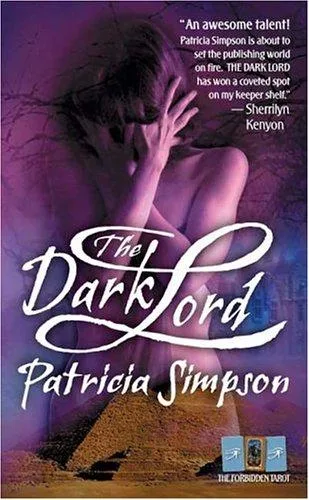
The Dark Horse (Forbidden Tarot)
 71
71

The Dark Horse (Forbidden Tarot)
Patricia Simpson’s *The Dark Horse* offers a bracingly intellectual and esoterically rigorous examination of the Tarot, moving it away from the parlor-trick diviner and towards the alchemist’s laboratory. The book’s strength lies in its commitment to exploring the Tarot not just as a symbolic system, but as a dynamic map of consciousness and spiritual development. Simpson’s interpretation of certain cards, particularly the often-misunderstood aspects of the Major Arcana, provides genuinely novel perspectives. For instance, her treatment of The Devil card avoids simplistic interpretations of evil, instead framing it as a potent symbol of binding forces and karmic entanglement, a concept that is both challenging and illuminating. However, the book’s density and reliance on specific occult terminology can make it a demanding read, potentially alienating those without a pre-existing background in Western esotericism. A more extensive glossary or more frequent contextualization of terms like 'the Great Work' might have improved accessibility. Despite this, *The Dark Horse* is a significant contribution for serious students of the Tarot, offering a potent alternative to more conventional approaches.
📝 Description
71
### What It Is
The Dark Horse (Forbidden Tarot) by Patricia Simpson, first published in 2005, presents a unique exploration of the Tarot through an esoteric lens. It moves beyond standard divinatory interpretations to examine the archetypal forces and hidden currents that the cards represent. The work is structured to guide readers through the complex symbolism, offering a more philosophical and occult perspective on this ancient system. It delves into the latent power within each card, particularly those often overlooked or deemed challenging in traditional readings.
### Who It's For
This book is intended for seasoned Tarot practitioners and serious students of esoteric traditions who are seeking to deepen their understanding beyond conventional applications. It appeals to those interested in the philosophical underpinnings of the Tarot, its connection to Western occultism, and its potential as a tool for inner transformation. Readers should possess a foundational knowledge of Tarot symbolism and a willingness to engage with complex metaphysical concepts. It is less suited for absolute beginners or those seeking simple fortune-telling techniques.
### Historical Context
Published in 2005, The Dark Horse emerged during a period of renewed interest in esoteric studies and the occult revival of the late 20th and early 21st centuries. This era saw a proliferation of new interpretations of ancient systems like the Tarot, often seeking to integrate them with modern psychological theories or contemporary magical practices. Simpson's work can be seen in dialogue with other contemporary occult authors who were re-examining foundational texts and symbols, such as those influenced by Aleister Crowley's *The Book of Thoth* or the continuing legacy of the Hermetic Order of the Golden Dawn. The book contributes to a broader discourse on Tarot as a symbolic language for consciousness.
### Key Concepts
The core concepts explored in *The Dark Horse* revolve around the Tarot as a living system of spiritual knowledge, not merely a deck of cards for prediction. Simpson emphasizes the "forbidden" aspect not as something to be feared, but as potent, often suppressed, knowledge concerning the shadow self and the deeper, often unsettling, aspects of the psyche and the cosmos. The book investigates the relationship between the Major Arcana and the Minor Arcana, proposing connections to alchemical processes and the stages of spiritual initiation. It seeks to uncover the latent power within each card, encouraging a holistic understanding of their interconnectedness and their role in the Great Work.
💡 Why Read This Book?
• Gain a deeper, philosophical understanding of Tarot beyond fortune-telling, particularly exploring the concept of "forbidden" knowledge as presented in the book's treatment of challenging archetypes. • Uncover the Tarot's potential as a map for spiritual initiation and inner transformation, as Simpson connects card symbolism to alchemical processes and the 'Great Work'. • Re-evaluate familiar Tarot imagery through an occult lens, understanding how symbols like those associated with the Shadow Self and karmic entanglement function within a broader esoteric framework.
⭐ Reader Reviews
Honest opinions from readers who have explored this book.
❓ Frequently Asked Questions
What makes *The Dark Horse* a 'forbidden' Tarot book?
The 'forbidden' aspect refers to the potent, often suppressed, knowledge within the Tarot concerning the shadow self and deeper psychic forces, rather than actual prohibition. Simpson explores these less-discussed, potentially unsettling aspects of the cards.
When was *The Dark Horse* by Patricia Simpson first published?
The book was first published in 2005, placing it within the early 21st-century wave of esoteric scholarship and reinterpretation of ancient systems.
Who is Patricia Simpson and what is her background?
While specific biographical details are often scant for esoteric authors, Patricia Simpson is known for her work within occult and metaphysical studies, focusing on Tarot and related symbolic systems, presenting a perspective rooted in Western esotericism.
Does this book offer traditional Tarot readings or interpretations?
No, *The Dark Horse* moves beyond standard divinatory interpretations. It focuses on the archetypal forces, philosophical underpinnings, and occult significance of the Tarot, treating it as a system for spiritual development.
What esoteric traditions does *The Dark Horse* draw upon?
The book primarily draws upon Western esoteric traditions, including Hermeticism and elements of alchemy, using the Tarot as a framework to explore these complex metaphysical concepts and practices.
Is *The Dark Horse* suitable for beginners in Tarot?
It is generally not recommended for absolute beginners. The book assumes a foundational knowledge of Tarot and delves into complex esoteric concepts, making it more suitable for advanced students and practitioners.
🔮 Key Themes & Symbolism
The Tarot as a Map of Consciousness
Simpson frames the Tarot not as a predictive tool but as a dynamic map charting the landscape of human consciousness and spiritual evolution. The deck's archetypes are presented as potent forces that govern our inner and outer lives. The work emphasizes how understanding these forces, particularly the 'dark horse' or shadow aspects, is crucial for genuine self-knowledge and transformation. This perspective aligns with modern esoteric thought that views symbolic systems as keys to unlocking psychological and spiritual potential, moving beyond simple fortune-telling to profound self-inquiry.
Esoteric Symbolism and Initiation
The book delves into the deeper esoteric meanings embedded within Tarot imagery, connecting them to traditions like Hermeticism and alchemy. Simpson explores how the progression through the Major Arcana can be understood as a process of spiritual initiation, mirroring the alchemical 'Great Work.' The 'forbidden' elements often relate to the challenging, transformative stages of this journey, such as confronting the shadow or understanding binding karmic forces. This approach positions the Tarot as a practical guide for those undertaking inner work and seeking higher spiritual attainment.
The 'Forbidden' Archetypes
Central to *The Dark Horse* is the concept of 'forbidden' knowledge within the Tarot. This refers to the powerful, often unsettling, archetypes and forces that represent the shadow self, psychic entanglements, and the more difficult aspects of the human condition. Simpson argues that these are not to be feared or ignored but are essential components of a complete spiritual understanding. By exploring these 'darker' cards and symbols, the book offers a path to integrating the totality of the psyche and understanding the full spectrum of cosmic forces at play.
The Great Work and Alchemical Connections
Simpson draws parallels between the Tarot's symbolic journey and the alchemical pursuit of the 'Great Work.' Each card, and the deck as a whole, is interpreted through an alchemical lens, representing stages of purification, transformation, and spiritual perfection. This framework provides a sophisticated understanding of the Tarot’s potential for profound personal and spiritual change. The book suggests that by engaging with the Tarot's symbolism, practitioners can initiate their own alchemical transformation, leading to a more integrated and enlightened state of being.
💬 Memorable Quotes
“The Tarot is not a mirror for fortune-telling, but a crucible for transformation.”
— This interpretation highlights Simpson's view of the Tarot as an active agent for personal change, rather than a passive predictor of events. It emphasizes the transformative power inherent in engaging with the archetypes.
“Shadow aspects are not to be banished, but understood and integrated.”
— This speaks to the 'forbidden' nature of certain Tarot symbols. The quote suggests that confronting and comprehending the darker elements of the psyche, as represented by specific cards, is essential for wholeness.
“Each card holds a potential key, unlocking hidden chambers of the psyche.”
— This interpretation emphasizes the deep psychological and esoteric potential of the Tarot. It suggests that individual cards are not isolated symbols but interconnected elements that reveal deeper layers of consciousness.
“The journey through the Major Arcana mirrors the alchemist's path.”
— This statement directly links the Tarot to alchemical symbolism and the concept of the 'Great Work.' It frames the Tarot as a spiritual roadmap for profound inner development.
“Understanding the binding forces is the first step to liberation.”
— This interpretation relates to the concept of 'forbidden' archetypes, such as those associated with The Devil card. It posits that acknowledging limitations and karmic entanglements is crucial for eventual freedom.
🌙 Esoteric Significance
Tradition
This work aligns most closely with Western Esotericism, drawing heavily from Hermetic and alchemical traditions. It interprets the Tarot not as an independent system but as a symbolic representation of the alchemical 'Great Work' and the stages of spiritual initiation. Simpson departs from purely Kabbalistic or Theosophical interpretations by emphasizing the dynamic, transformative, and often challenging nature of the archetypal forces, framing them as essential components of a holistic spiritual path rather than solely as elements of cosmic structure.
Symbolism
Key symbols explored include the 'Dark Horse' itself, representing hidden potentials or the shadow self that must be confronted. The Fool is often reinterpreted not just as innocence but as a potent, untamed force on the cusp of initiation. The Devil card, frequently misunderstood, is examined for its representation of binding forces, karmic entanglement, and the illusion of limitation, offering an alchemical perspective on overcoming these obstacles towards liberation.
Modern Relevance
Contemporary practitioners of Western Esotericism, particularly those interested in depth psychology and spiritual alchemy, find value in Simpson's approach. Thinkers and groups focusing on the Tarot as a tool for personal transformation and shadow integration echo themes present in *The Dark Horse*. Its emphasis on understanding challenging archetypes resonates with modern therapeutic occultism and practices that seek to integrate the totality of the psyche, moving beyond simplistic positive-only spiritual narratives.
👥 Who Should Read This Book
• Advanced Tarot students seeking a deeper, philosophical understanding beyond traditional divination, particularly those interested in Western esoteric traditions. • Practitioners of Hermeticism and alchemy looking for symbolic correspondences and practical applications of these ancient arts within a Tarot framework. • Comparative religion scholars and occult researchers interested in how symbolic systems like the Tarot are reinterpreted in contemporary esoteric discourse.
📜 Historical Context
Published in 2005, *The Dark Horse* emerged during a vibrant period for esoteric studies, a continuation of the occult revival that gained momentum in the late 20th century. This era saw a surge in authors reinterpreting traditional systems like the Tarot through fresh philosophical and psychological lenses. Simpson’s work positioned itself within this milieu, engaging with a broader discourse that sought to elevate the Tarot from a mere divinatory tool to a complex symbolic language for consciousness and spiritual development. It can be seen as a contemporary response to earlier, foundational works such as those influenced by the Hermetic Order of the Golden Dawn or Aleister Crowley's *The Book of Thoth*. While specific reception details like bans or major academic citations for this particular work are not widely documented, its publication contributed to the ongoing scholarly and practical exploration of Western esotericism in the early 21st century, offering an alternative perspective to more mainstream or purely psychological Tarot interpretations.
📔 Journal Prompts
The 'Dark Horse' archetype: What hidden potentials or shadow aspects does this concept illuminate in your own life?
Reflecting on the 'crucible for transformation': How has engaging with Tarot symbolism catalyzed personal change for you?
The alchemist's path: Identify a Tarot card that represents a stage of inner purification or transformation you are currently navigating.
Binding forces and liberation: Consider a symbolic 'chain' (karmic, psychological) that you wish to understand more deeply through Tarot imagery.
Unlocking hidden chambers: Which Tarot card's symbolism feels most potent in revealing an overlooked aspect of your psyche?
🗂️ Glossary
Great Work
In esoteric traditions, particularly alchemy, the 'Great Work' refers to the process of spiritual transformation, purification, and perfection of the self, often paralleled with the alchemical transmutation of base metals into gold.
Shadow Self
A concept in psychology and esotericism referring to the unconscious aspects of the personality that the conscious ego does not identify in itself. It often contains repressed desires, instincts, and weaknesses.
Archetype
In Jungian psychology and esoteric thought, archetypes are universal, archaic patterns and images that derive from the collective unconscious and are the psychic counterpart of instinct. In Tarot, they represent fundamental human experiences and cosmic forces.
Hermeticism
A philosophical and religious tradition based on writings attributed to Hermes Trismegistus. It emphasizes divine wisdom, the interconnectedness of all things, and the potential for human spiritual ascent.
Alchemical Initiation
The process of spiritual development understood through the symbolic language of alchemy, involving stages of purification, dissolution, and reintegration, aiming for the transformation of the individual consciousness.
Karmic Entanglement
The concept of being bound by past actions, consequences, and debts across lifetimes or within the present experience, often represented in Tarot by cards dealing with fate, consequence, or restrictive forces.
Binding Forces
Symbolic representations within Tarot (often associated with cards like The Devil) that depict limitations, attachments, addictions, or external influences that restrict freedom and spiritual progress.