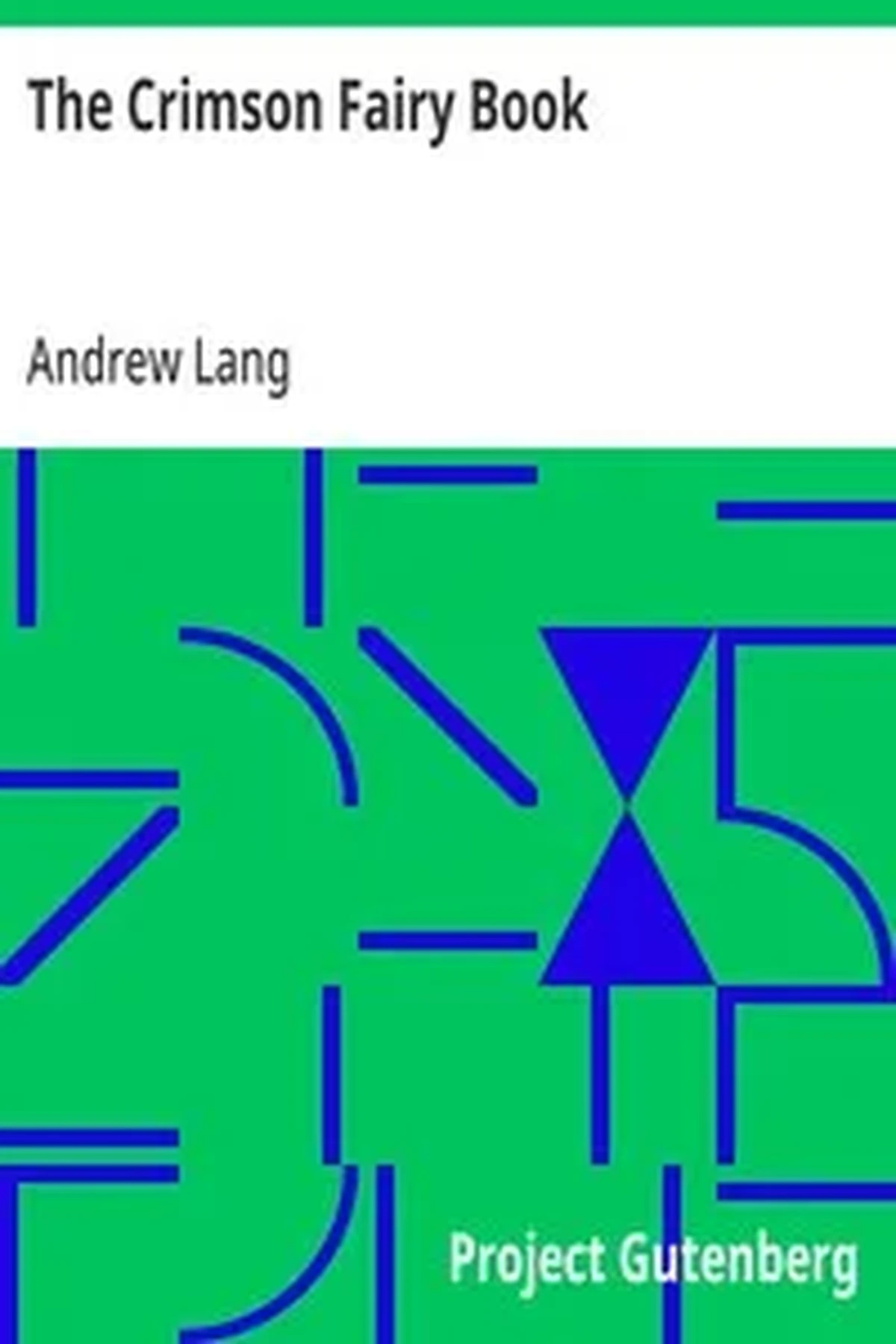
The Crimson Fairy Book
 76
76

The Crimson Fairy Book
Andrew Lang’s *The Crimson Fairy Book* presents a fascinating, if sometimes uneven, compendium of global folklore. The strength of this collection lies in its sheer breadth; Lang’s meticulous gathering of tales from disparate sources—ranging from Hungarian and Serbian to Japanese—offers a rich comparative study of narrative structures and archetypal motifs. A notable passage involves the tale of ‘The Water-Horse,’ which exhibits a primal fear of the unknown and the monstrous, a recurring element in myth that speaks to the human psyche’s confrontation with the chaotic. However, the book’s primary limitation for the esoteric reader is its overt presentation as children’s literature. The lack of explicit commentary on the symbolic or metaphysical dimensions, while allowing for individual interpretation, can leave the seeker of direct esoteric doctrine wanting. The collected stories, while potent, require significant interpretive effort to unlock their deeper metaphysical currents. Lang’s work here serves as raw material, a foundational layer of mythic consciousness, rather than a codified esoteric text.
📝 Description
76
Andrew Lang compiled The Crimson Fairy Book, published in 1947, drawing from global folk traditions.
The Crimson Fairy Book, assembled by Andrew Lang and first appearing in 1947, gathers traditional folk and fairy tales from across many cultures. While not explicitly an occult text, its foundation in oral narratives and symbolic storytelling provides rich material for metaphysical study. The tales feature common archetypes and mythic journeys, mirroring universal human experiences and ancient belief systems that inform various esoteric paths. Lang's dedicated research into folklore presents a wide array of stories ripe for analysis of their deeper symbolic import.
This collection is suited for readers interested in the foundational narratives that have shaped human consciousness and mythology over centuries. It will appeal to folklorists, mythographers, and students of comparative religion or literature. For those investigating the origins of esoteric thought, the embedded symbolic language within these stories offers a distinct starting point. Storytellers and writers seeking inspiration from enduring archetypal plots and characters will also find value here. The book speaks to those who recognize narrative's capacity to preserve cultural memory and implicit knowledge.
Though categorized under occult philosophy, The Crimson Fairy Book is primarily a collection of folk tales. However, Andrew Lang's compilation, emerging from a period of interest in folklore and comparative mythology, contains narratives rich with symbolism. These stories often reflect ancient belief systems and archetypal patterns that are fundamental to many esoteric traditions. Readers can find in these tales a reflection of universal human experiences and mythic structures that have been interpreted through various occult and philosophical lenses. Lang's academic sourcing of diverse tales allows for an examination of their deeper, symbolic meanings, connecting them to broader currents of human thought and spirituality.
💡 Why Read This Book?
• Gain insight into the archetypal patterns that inform esoteric traditions by examining recurring characters like the hero and the wise elder, as seen in tales within *The Crimson Fairy Book*. • Understand the symbolic language of transformation and quest narratives, which mirror alchemical processes and spiritual journeys, elements discussed implicitly in the book's various stories. • Explore the foundational narratives of human consciousness and cultural memory, as Lang’s 1947 compilation draws from a wide array of global folklore, predating many modern esoteric movements.
⭐ Reader Reviews
Honest opinions from readers who have explored this book.
❓ Frequently Asked Questions
When was The Crimson Fairy Book first published?
The Crimson Fairy Book was first published in 1947, though Andrew Lang compiled his extensive series of fairy tale collections throughout the late 19th and early 20th centuries.
What is the origin of the stories in The Crimson Fairy Book?
The stories are drawn from a wide variety of international folklore, including tales from Hungary, Serbia, Iceland, and Japan, reflecting Andrew Lang's extensive research into global oral traditions.
Is The Crimson Fairy Book considered an esoteric text?
While not explicitly an esoteric text, its collection of traditional narratives contains rich symbolic language and archetypal figures that are foundational to many esoteric philosophies and mythographic studies.
Who was Andrew Lang and why did he compile these books?
Andrew Lang was a Scottish poet, critic, and anthropologist who compiled his fairy tale books from 1889 to 1913 to preserve and present global folklore, contributing significantly to the study of comparative mythology.
What kind of metaphysical themes can be found in The Crimson Fairy Book?
Readers can explore themes of transformation, the hero's journey, the confrontation with the unknown, and the power of symbolic objects, all of which are present in the diverse narratives collected.
Are the stories in The Crimson Fairy Book suitable for children?
Yes, the collection is primarily presented as fairy tales and folk stories, often enjoyed by children, but also offers depth for adult readers interested in mythology and symbolism.
🔮 Key Themes & Symbolism
Archetypal Narratives
The collection is built upon archetypal figures that resonate across human cultures and mythologies. Characters like the brave protagonist facing overwhelming odds, the cunning trickster, or the wise, guiding elder are prevalent. These figures echo the archetypes explored in Jungian psychology and found in various esoteric traditions, representing fundamental aspects of the human psyche and spiritual development. The stories provide raw material for understanding these universal patterns of behavior and consciousness, offering a glimpse into the collective unconscious as expressed through narrative.
Symbolic Transformation
Many tales within *The Crimson Fairy Book* feature profound transformations—characters changing their form, gaining new abilities, or undergoing significant personal evolution. This theme directly aligns with alchemical principles of transmutation and the esoteric concept of spiritual metamorphosis. The magical elements and enchanted objects often act as catalysts for these changes, symbolizing the tools and hidden knowledge required for inner work. Examining these transformations offers insights into the potential for profound change and self-realization inherent in both mythic narratives and esoteric practices.
The Quest and Hidden Knowledge
A significant recurring motif is the quest or journey undertaken by the protagonists, often in pursuit of a specific goal, a lost treasure, or to overcome a formidable challenge. This narrative structure mirrors the esoteric concept of the Great Work or the spiritual pilgrimage. The journeys frequently involve navigating perilous landscapes and encountering obstacles that test the hero's virtue and resolve, symbolizing the trials faced on the path to enlightenment or hidden wisdom. The eventual attainment of the goal represents the acquisition of knowledge or spiritual attainment.
The Unseen Realm
The presence of magic, enchanted beings, and other worlds within these stories points to a worldview that acknowledges the existence of forces and realms beyond the mundane. This aligns with the fundamental tenets of most esoteric traditions, which posit unseen hierarchies, subtle energies, and spiritual dimensions. The interactions between the human world and these magical elements in the tales can be interpreted as metaphors for the interplay between the material and the spiritual, or the known and the unknown, underscoring the belief in a reality far richer and more complex than immediately apparent.
💬 Memorable Quotes
Direct passages from the work, attributed to the author.
“Many tales feature a journey through perilous lands to achieve a hidden goal.”
— This refers to the common 'quest' motif. In an esoteric context, this journey symbolizes the spiritual path, the arduous process of self-discovery, and the trials one must endure to attain higher knowledge or enlightenment.
“Characters often undergo remarkable transformations, changing their very nature.”
— This points to themes of metamorphosis. Esoterically, such transformations can represent alchemical processes of purification and refinement, or the profound spiritual evolution required for attainment.
“The presence of magical objects and enchanted places suggests a reality beyond the ordinary.”
— This interpretation focuses on the acknowledgment of unseen forces and spiritual dimensions. It aligns with esoteric beliefs in subtle energies, hidden realms, and the power of symbolic artifacts to influence the material world.
“Archetypal figures like the hero and the wise guide appear repeatedly.”
— This highlights the recurring characters that embody fundamental human psychological patterns. These archetypes are central to understanding the collective unconscious and are frequently explored in esoteric psychology and comparative mythology.
💡 Key Ideas
Editorial paraphrase of the work's core concepts — not direct quotes.
The stories collected here are not mere diversions but traces of ancient wisdom.
This paraphrased concept highlights the underlying value of the fairy tales. It suggests that beyond their surface narrative, these stories carry deep symbolic meanings and reflect timeless truths important for understanding human nature and the cosmos.
🌙 Esoteric Significance
Tradition
The Crimson Fairy Book doesn't belong to a single esoteric lineage but serves as a foundational text for many by virtue of its deep roots in global folklore. Its archetypal narratives and symbolic structures align with universalist interpretations found in traditions like Theosophy, which sought common threads in world mythologies. The collection's emphasis on transformation and the heroic journey echoes themes present in Hermeticism and Rosicrucianism, where personal evolution and the pursuit of hidden knowledge are paramount. It acts as a repository of pre-rational, symbolic thought that underpins these later systematized esoteric schools.
Symbolism
Key symbols include the 'Crimson' element itself, often associated with vitality, passion, or even sacrifice in mythic contexts. The recurring motif of the magical object, such as a enchanted sword or a talking animal, represents catalysts for change or hidden wisdom, akin to talismans or divine messengers in esoteric practice. Enchanted forests or perilous landscapes symbolize the trials of the inner journey or the confrontation with the shadow self, a common theme in Gnostic and Hermetic lore where navigating difficult spiritual terrain is crucial for attainment.
Modern Relevance
Contemporary thinkers and practitioners in fields like Jungian psychology, comparative mythology, and even certain branches of modern Paganism and witchcraft draw heavily on the archetypal patterns found in Lang's collections. Authors exploring modern mythopoeia and narrative psychology often reference these tales as enduring examples of the collective unconscious at play. For those engaged in personal spiritual development, the symbolic journeys and transformative elements provide accessible metaphors for inner work, making the collection relevant to contemporary seekers of meaning and psychological insight.
👥 Who Should Read This Book
• Students of comparative mythology and folklore: Gain access to a curated selection of international tales that illustrate common archetypes and narrative structures, aiding in the study of humanity's shared mythic imagination. • Aspiring esotericists and occult practitioners: Explore the foundational symbolic language and archetypal figures that underpin many esoteric traditions, offering a rich source for understanding universal spiritual concepts. • Writers and storytellers: Discover timeless plot devices, character archetypes, and narrative frameworks that have resonated across centuries, providing inspiration for new creative works.
📜 Historical Context
Andrew Lang's *The Crimson Fairy Book*, published posthumously in 1947 as part of his renowned fairy tale series, emerged from a late Victorian and Edwardian milieu fascinated by folklore. Lang, a prolific scholar, critic, and anthropologist, compiled his extensive collections between 1889 and 1913. His work was part of a broader European intellectual current that included the Brothers Grimm and Edward Tylor, all seeking to document and understand oral traditions as windows into human history and psychology. Lang's approach was notable for its comparative nature, drawing tales from a vast array of linguistic and cultural sources, often with meticulous scholarly annotation. This distinguished his work from simple children's entertainment, positioning it within the burgeoning field of anthropology and comparative mythology. While Lang himself was not strictly an esotericist, his collections provided rich source material for later occultists and mystics who sought symbolic and archetypal meaning in traditional narratives. His contemporary, Rudyard Kipling, also engaged with myth and folklore, though often through a more imperial lens.
📔 Journal Prompts
The 'Crimson' motif's potential symbolic meanings.
Analyze the recurring 'hero' archetype in the tale of 'The Boy Who Met the Wolf'.
Reflect on the concept of 'transformation' as depicted in 'The Frog Prince'.
Consider the 'enchanted object' as a catalyst for change within any story.
Map the 'quest' narrative structure found in 'The Twelve Brothers'.
🗂️ Glossary
Archetype
A fundamental, universal pattern or symbol within the collective unconscious, recurring across cultures and time, such as the Hero, the Mother, or the Trickster. These figures represent fundamental human experiences and psychological drives.
Folklore
The traditional beliefs, customs, and stories of a community, passed through generations by word of mouth. It encompasses myths, legends, fairy tales, proverbs, and rituals.
Mythology
A collection of myths, especially one belonging to a particular religious or cultural tradition. Myths often explain natural phenomena, historical events, or societal customs through symbolic narratives.
Symbolism
The use of symbols to represent ideas and qualities, by giving them meanings that are different from their literal sense. In fairy tales, objects, characters, and actions often carry deeper symbolic weight.
Transformation
A marked change in form, nature, or appearance. In fairy tales and esoteric contexts, this often signifies profound spiritual or psychological evolution.
Quest Narrative
A story centered around a journey or search undertaken by a protagonist, often involving trials and the pursuit of a significant goal or object. It symbolizes the path of spiritual development.
Collective Unconscious
A term coined by Carl Jung, referring to a part of the unconscious mind derived from ancestral memory and experience and common to all humankind. It is the source of archetypes.
🔮 Readers Also Liked
Browse all →








More by Andrew Lang
All books →


More Free Occult Philosophy Books
View all →