Talisman magic

 75
75

Talisman magic
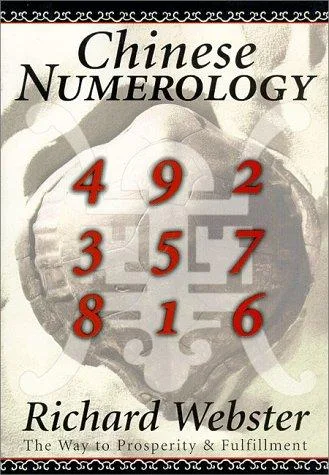
Richard Webster's "Talisman Magic" presents a refreshingly direct approach to a complex subject. Unlike many texts that obscure practical magic in dense theory, Webster lays out the steps for creating talismans with admirable clarity. His insistence on specific materials and timings grounds the practice, moving it away from vague intention. A particular strength lies in his methodical breakdown of the consecration rituals, making them accessible even to relative newcomers. However, the work could benefit from a deeper engagement with the psychological underpinnings of talismanic belief; the focus remains almost exclusively on external mechanics. One passage that stands out is the detailed explanation of inscribing planetary sigils, which demands precision. Webster’s "Talisman Magic" is a solid, functional guide for those seeking to craft their own enchanted objects.
📝 Description
75
Richard Webster's 1995 book details the creation and use of talismans.
Talisman Magic provides a practical guide to making and using talismans. The book covers material selection, inscription methods, and consecration rituals. It explains the theory behind sympathetic magic and how to imbue objects with intention.
This manual is for folk magic practitioners, ceremonial magicians, and anyone interested in how enchanted objects work. It requires careful study and practice, appealing to those who appreciate detailed instructions and esoteric symbolism. Webster's approach offers a structured method for creating magical tools.
The work explains sympathetic magic, where objects are charged with energy for specific purposes. This process requires understanding correspondences between materials, astrological timing, and the talisman's goal. Personal energy and focused intent are stressed as vital for consecration.
Published in 1995, Talisman Magic emerged during a renewed interest in practical occultism. Following a period focused on theoretical magic, the book addressed a growing need for actionable techniques. Webster's work presents a structured method for talisman creation, distinguishing it from less organized magical literature of the time. It connects to traditions that use charged objects to influence events, emphasizing the importance of intent and symbolic correspondence.
💡 Why Read This Book?
• Learn specific methods for selecting materials and timing the creation of a talisman, as detailed in the chapters on planetary correspondences, ensuring your magical tools are aligned with your goals. • Understand the process of consecration through Webster's step-by-step instructions, gaining practical experience in imbuing objects with focused intent and energy. • Discover the foundational principles of sympathetic magic as applied to tangible objects, enabling you to create personalized tools for specific purposes beyond general well-being.
⭐ Reader Reviews
Honest opinions from readers who have explored this book.
❓ Frequently Asked Questions
What is the primary purpose of a talisman according to Webster?
According to "Talisman Magic," a talisman's primary purpose is to act as a focal point and conduit for specific energies or intentions, designed to influence a particular outcome through sympathetic magic.
Does Richard Webster discuss the materials used in talismans?
Yes, the book dedicates significant attention to the selection of appropriate materials, discussing their symbolic and energetic correspondences relevant to the talisman's intended function.
When was "Talisman Magic" first published?
"Talisman Magic" by Richard Webster was first published in 1995, reflecting a period of renewed interest in practical occult disciplines.
Is this book suitable for complete beginners in magic?
While "Talisman Magic" offers clear instructions, a basic understanding of esoteric concepts and a willingness to engage with detailed practical steps are beneficial for beginners.
What is the role of planetary timing in talisman creation?
Planetary timing is crucial, as Webster details how aligning the creation and consecration of a talisman with specific planetary hours or days enhances its efficacy and directs its specific influence.
Does the book cover the consecration of talismans?
Absolutely. "Talisman Magic" provides explicit instructions on the consecration process, emphasizing the importance of personal energy and focused intent to empower the created talisman.
🔮 Key Themes & Symbolism
Sympathetic Resonance
The work extensively explores the principle of sympathetic resonance, positing that objects can be imbued with energies that mirror desired outcomes. Webster details how materials, symbols, and timing are chosen to create a sympathetic link between the talisman and its intended purpose, facilitating the flow of magical influence. This concept underpins the entire practice of talismanic construction as presented in the book.
Material Correspondences
A significant theme is the importance of material correspondences. Webster outlines how different metals, stones, woods, and other substances possess unique energetic signatures that align with specific planets, deities, or intentions. The book guides the reader in selecting materials that resonate with the desired magical effect, viewing them not merely as physical components but as active participants in the enchantment.
Ritual Consecration
The book emphasizes ritual consecration as the pivotal step in transforming a mere object into a potent talisman. This involves specific ceremonial actions, invocations, and the focused projection of the practitioner's will and energy. Webster provides detailed procedures for these rituals, stressing that the effectiveness of the talisman relies heavily on the clarity and power of its consecration.
Astrological Timing
Astrological timing is presented as a critical factor in maximizing a talisman's efficacy. The work delves into how planetary hours, days, and zodiacal alignments can be utilized to imbue talismans with specific influences. By carefully choosing when to craft and consecrate, practitioners can harness celestial energies to amplify the talisman's power and direct its function towards particular goals.
💬 Memorable Quotes
“The power of the talisman lies not just in its form, but in the focused intent and energy invested during its creation.”
— This highlights the practitioner's role as the primary source of the talisman's potency. It suggests that the physical object is a vessel, and its magical strength is derived from the will and energy directed into it by the magician.
“Materials are selected for their inherent sympathetic qualities, which must align with the purpose of the charm.”
— This emphasizes that the choice of materials is not arbitrary but is based on a system of correspondences that links specific substances to particular energies or effects sought by the practitioner.
“Inscription must be performed with precision, mirroring the celestial or symbolic patterns intended.”
— This underscores the importance of exactitude in the physical creation of the talisman, particularly in the inscription of sigils or symbols, as any deviation can alter or weaken the intended magical effect.
“Consecration is the act that breathes life into the object, activating its latent potential.”
— This interpretation views the consecration ritual as the moment of magical activation, transforming inert matter into a functional magical tool by imbuing it with spiritual or energetic life.
“The practitioner's belief and sustained focus are as crucial as the ritual itself.”
— This points to the psychological and spiritual engagement of the magician as a fundamental component of successful talismanic magic, reinforcing the idea that inner conviction powers outer manifestation.
🌙 Esoteric Significance
Tradition
Webster's work aligns broadly with the Western Esoteric Tradition, drawing heavily from principles found in Hermeticism and folk magic. It focuses on the practical application of sympathetic magic, a concept present in various historical magical systems. The book emphasizes the creation of tangible magical objects, a practice common across many esoteric lineages, but presents it with a directness often associated with modern, less dogmatic approaches to occultism.
Symbolism
Key symbols explored include planetary sigils, zodiacal signs, and geometric shapes, each carrying specific energetic associations. For instance, the Sun's sigil might be used for talismans of power and success, while materials like silver are often linked to the Moon, representing intuition and the subconscious. The act of inscription itself is symbolic, representing the manifestation of divine or cosmic will onto the material plane.
Modern Relevance
Contemporary practitioners of ritual magic, paganism, and even certain branches of modern witchcraft often reference or adapt Webster's methods. His clear, step-by-step approach makes talismanic work accessible, influencing modern grimoire creation and personal magical tool development. The emphasis on practical application continues to resonate with those seeking tangible results from their esoteric practices.
👥 Who Should Read This Book
• Aspiring practitioners of practical magic seeking a foundational guide to creating enchanted objects. • Hobbyists interested in folk magic and sympathetic principles who want to learn specific techniques. • Students of Western Esotericism looking for a hands-on manual that complements theoretical studies.
📜 Historical Context
Published in 1995, Richard Webster's "Talisman Magic" emerged during a period of significant revival for practical occultism. The late 20th century saw a growing interest in hands-on magical practices following more theoretical phases of esoteric study. This era was marked by figures like Doreen Valiente, whose work on modern witchcraft was gaining wider recognition, and a general public curiosity fueled by popular culture. Webster's book offered a structured, accessible method for talisman creation, contrasting with the often more arcane or esoteric texts available. While not directly engaging with academic discourse on magic, its clear instructions met a demand from practitioners seeking tangible results, contributing to the burgeoning field of popular ceremonial magic.
📔 Journal Prompts
The specific materials chosen for a talisman and their symbolic weight.
Personal energy projection during the consecration ritual.
The role of astrological timing in maximizing a talisman's potential.
Reflecting on the concept of sympathetic resonance in everyday life.
Designing a personal talisman for a specific, tangible goal.
🗂️ Glossary
Talisman
An object inscribed with symbols or sigils and consecrated through ritual, believed to possess magical properties or exert influence over specific outcomes.
Sympathetic Magic
A form of magic based on the principle that like affects like, or that a part of something can represent the whole; used to create connections and influences between objects or beings.
Consecration
The ritualistic act of dedicating an object or space to a sacred purpose, often involving prayers, invocations, and the infusion of magical energy.
Sigil
A magical symbol or emblem, often created by combining letters or astrological symbols, believed to hold specific intent or power.
Correspondences
A system of symbolic associations linking elements (e.g., planets, colors, herbs, metals) to specific energies, deities, or magical purposes.
Planetary Hours
A system of dividing the day and night into twelve equal periods, each ruled by one of the seven classical planets, used for timing magical operations.
Inscription
The act of carving, engraving, or drawing symbols, letters, or sigils onto the surface of a material, crucial for imbuing a talisman with its intended magical form.