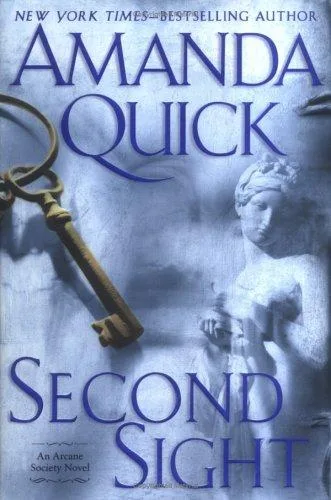
Second Sight
 77
77

Second Sight
Jayne Ann Krentz’s *Second Sight* offers a competent, if conventional, exploration of psychic abilities within a contemporary setting. The strength of the novel lies in Krentz’s practiced hand at pacing and character interaction, making the unfolding mystery of the protagonist’s precognitive flashes engaging. However, the book sometimes leans too heavily on genre conventions, occasionally sacrificing deeper psychological exploration for plot expediency. A particular passage where the protagonist experiences a jarring, fragmented premonition about an impending danger feels both effective in building suspense and representative of the novel's reliance on established tropes. While the romantic subplot provides a grounding element, it sometimes dilutes the potential for a more intense focus on the psychic phenomena themselves. It is a solid entry for fans of the genre, delivering expected thrills with a familiar polish.
📝 Description
77
Jayne Ann Krentz's 2006 novel Second Sight examines psychic ability and its impact on ordinary lives.
Second Sight, published in 2006, follows characters who experience extraordinary perceptions, exploring how these abilities affect their lives and relationships. The novel is set within a genre that often looks at the overlap between the everyday and the supernatural, using a fictional framework to consider human consciousness that extends beyond normal limits. The story focuses on individuals who must deal with precognition, telepathy, and other heightened intuitions. These internal experiences are woven into the external events of the plot, creating a narrative where the unexplained plays a central role.
Krentz's work fits into a cultural moment in the early 2000s that saw continued interest in paranormal and psychic themes. Popular culture at the time, including literature and film, frequently featured such topics, often within thriller or romance structures. Second Sight adds to this ongoing conversation by offering a fictional perspective on psychic phenomena. It is distinct from more academic or historical treatments of the occult, presenting its ideas through character and plot.
The book's central concept is 'second sight,' often understood as clairvoyance or precognition. In Krentz's depiction, this ability is not always precise or easy to control. It frequently appears in ways that introduce mystery and create challenges for the characters. The narrative examines how these unusual gifts shape relationships and personal circumstances, presenting them as forces that complicate the characters' lives rather than simple advantages. This fictional approach engages with the popular cultural fascination with psychic abilities prevalent in the early 2000s, placing it within a tradition of speculative fiction that explores the uncanny.
💡 Why Read This Book?
• Gain an understanding of how precognitive flashes are depicted as plot devices, specifically through the fragmented visions experienced by the protagonist in *Second Sight*, offering a narrative perspective on psychic intuition. • Explore the trope of inherited psychic sensitivity, as the work hints at familial connections to these abilities, providing a character-driven angle on the nature of extraordinary perception. • Experience a blend of suspense and romance, where the protagonist’s unusual sensory input directly impacts her relationship dynamics and personal safety, showcasing a genre-specific approach to the paranormal.
⭐ Reader Reviews
Honest opinions from readers who have explored this book.
❓ Frequently Asked Questions
What is the primary psychic ability explored in Jayne Ann Krentz's Second Sight?
The primary psychic ability explored in *Second Sight* is precognition, often referred to as 'second sight.' The narrative focuses on characters who experience flashes of future events, influencing their present actions and understanding.
What genre does Second Sight by Jayne Ann Krentz belong to?
While Krentz is known for romantic suspense, *Second Sight* leans into speculative fiction with elements of mystery and thriller. It examines psychic phenomena within a contemporary, character-driven narrative framework.
When was Jayne Ann Krentz's book Second Sight originally published?
*Second Sight* by Jayne Ann Krentz was first published in 2006. This places it within a period of continued popular interest in paranormal and psychic themes in fiction.
Does Second Sight involve elements of romance alongside the psychic themes?
Yes, *Second Sight* typically incorporates romantic suspense elements, a hallmark of Jayne Ann Krentz's writing. The protagonist's extraordinary perceptions often intertwine with her romantic relationships and create narrative tension.
What is the typical narrative focus of Jayne Ann Krentz's novels like Second Sight?
Krentz's novels, including *Second Sight*, generally focus on strong protagonists, often women, who encounter dangerous situations or unusual circumstances. Psychic abilities or hidden talents frequently play a role in their personal mysteries and romantic entanglements.
Are there any specific psychic concepts discussed in detail in Second Sight?
The book centers on the concept of 'second sight' or precognition. While not a technical manual, it explores the subjective experience and practical implications of such abilities for the characters.
🔮 Key Themes & Symbolism
The Nature of Precognition
The work examines precognition not as a clear, controllable power, but as fragmented, often unsettling glimpses into the future. Characters struggle to interpret these visions, which can be misleading or incomplete, creating dramatic tension. The narrative questions whether these abilities are a gift or a burden, influencing decisions and relationships in unpredictable ways. It explores the psychological impact of knowing, or thinking one knows, what is to come, and the isolation that can accompany such experiences.
Inherited Psychic Traits
Second Sight touches upon the idea that extraordinary abilities might be passed down through generations. This adds a layer of familial mystery and legacy to the characters' experiences. The narrative hints at a history of psychic sensitivity within certain families, suggesting that the protagonist's abilities are not entirely random but part of a deeper, perhaps ancestral, pattern. This theme explores destiny versus free will, and the weight of inherited traits.
Psychic Perception and Relationships
The book investigates how precognitive abilities affect interpersonal dynamics, particularly romantic relationships. The protagonist's visions can create mistrust or misunderstanding, while also serving as a unique form of connection or warning. The narrative explores the challenges of maintaining intimacy when one partner possesses senses that the other cannot comprehend. It highlights the tension between rational understanding and intuitive knowledge within partnerships.
Intuition vs. Rationality
A central conflict in *Second Sight* involves the interplay between rational thought and intuitive or psychic perception. Characters are often forced to decide whether to trust their logical minds or the unsettling insights provided by their 'second sight.' This theme underscores the human tendency to seek empirical evidence while acknowledging the power of gut feelings and unexplained knowledge, exploring the boundaries of human cognition.
💬 Memorable Quotes
“The future flickered behind her eyes.”
— This phrase captures the essence of precognition as depicted in the novel – not a steady stream of information, but fleeting, involuntary flashes. It suggests the future is an intrusive presence, often unwanted, impacting the character's present awareness.
“Her instincts screamed a warning she couldn't yet explain.”
— This highlights the tension between conscious understanding and subconscious intuition. The character feels a powerful premonition, a visceral reaction that her rational mind has not yet caught up to, driving the narrative forward through uncertainty.
“Some gifts cast long shadows.”
— This aphorism suggests that extraordinary abilities, like psychic sight, come with significant drawbacks or consequences. The 'shadows' imply the potential for fear, isolation, or danger that accompanies such gifts, adding a cautionary element.
“He saw the danger long before it arrived.”
— This directly references the precognitive element, framing it as an awareness of impending threats. It emphasizes the protective or alarming function of 'second sight,' allowing characters to perceive threats before they are physically manifest.
“The past was clear, the present muddled, the future a blur.”
— This quote contrasts the certainty of memory with the ambiguity of present perception and the elusive nature of foresight. It illustrates the challenge of navigating life when one's ability to see the future is unreliable and confusing.
🌙 Esoteric Significance
Tradition
While *Second Sight* does not align with a specific historical esoteric lineage like Hermeticism or Kabbalah, it draws from the broader, popular culture understanding of psychic phenomena prevalent in the late 20th and early 21st centuries. This tradition often borrows loosely from concepts found in spiritualism, New Age thought, and parapsychology, presenting psychic abilities as inherent human potentials rather than codified magical systems. Krentz's work fits within this contemporary interpretation, focusing on the subjective experience and narrative implications of 'second sight' without delving into ritual or specific theoretical frameworks.
Symbolism
The primary symbolic motif is 'second sight' itself, representing intuition, precognition, and a perception beyond the ordinary five senses. The often fragmented and unreliable nature of these visions symbolizes the inherent uncertainty of the future and the difficulty of interpreting profound knowledge. Additionally, the presence of inherited abilities can symbolize destiny, legacy, and the idea that certain potentials are woven into the fabric of family or lineage.
Modern Relevance
Contemporary authors and practitioners exploring intuitive development, psychic awareness, and the intersection of the paranormal with everyday life continue to engage with narratives like *Second Sight*. While not a source text for formal esoteric study, it contributes to the cultural dialogue surrounding psychic phenomena, influencing how these concepts are popularly understood and fictionalized. It resonates with modern readers interested in the potential of human consciousness and the blurring lines between the mundane and the extraordinary in speculative fiction.
👥 Who Should Read This Book
• Readers of romantic suspense who appreciate supernatural elements woven into their narratives, offering a familiar genre with an added layer of psychic mystery. • Fans of speculative fiction exploring precognition and intuition, providing a character-focused approach to the exploration of psychic abilities. • Individuals interested in how fictional narratives engage with concepts of heightened perception and their impact on personal relationships and decision-making.
📜 Historical Context
Published in 2006, Jayne Ann Krentz's *Second Sight* arrived during a period of significant popular engagement with paranormal themes in fiction, a trend that had been building since the late 20th century. This era saw a confluence of interest in psychic phenomena, supernatural thrillers, and romantic suspense, with authors like Nora Roberts (writing as J.D. Robb) and Stephen King frequently exploring such territory. Unlike more academic explorations of parapsychology or historical occultism, Krentz’s work positioned these themes within accessible, character-driven narratives, often blending them with romance and mystery. While Krentz herself was already an established author, the 2006 publication date situates *Second Sight* alongside a broader cultural fascination that included the proliferation of shows like *Medium* (premiering in 2005) and a continued market for novels exploring precognition and telepathy. There was no significant noted censorship or major academic reception event for this particular work, its impact residing within its genre readership.
📔 Journal Prompts
The fragmented nature of precognitive flashes as depicted in *Second Sight*.
The protagonist's reliance on intuition versus rational deduction.
The idea of 'second sight' as an inherited trait.
How psychic warnings influence interpersonal dynamics.
The emotional burden of knowing future events.
🗂️ Glossary
Second Sight
A colloquial term for clairvoyance or precognition, referring to the ability to perceive events beyond the normal range of human senses, often involving glimpses of the future.
Precognition
The purported ability to gain information about events before they occur, typically through extrasensory perception. In fiction, this often manifests as visions, dreams, or sudden intuitive flashes.
Intuition
The ability to understand something immediately, without the need for conscious reasoning. In the context of the book, it often overlaps with or serves as a precursor to psychic perceptions.
Foreshadowing
A literary device where the author gives an advance hint of what is to come later in the story. In *Second Sight*, this is often represented through the protagonist's visions.
Fragmented Vision
A psychic perception that is incomplete, unclear, or broken into pieces, making it difficult to interpret accurately. This is a common characteristic of precognitive experiences in the novel.
Romantic Suspense
A genre that combines elements of romance and suspense, often featuring a female protagonist in peril who finds love amidst danger and mystery.
Parapsychology
The study of alleged psychic phenomena and other paranormal claims, including extrasensory perception (ESP) and psychokinesis. The novel touches upon themes investigated in this field.