Mythologems

 71
71

Mythologems
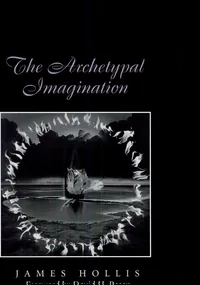
James Hollis's Mythologems arrives not with a shout, but with a quiet, insistent hum, tracing the invisible lines of narrative that conduct our lives. The strength of the book lies in its precise dissection of how mythic patterns, termed 'mythologems,' function as psychic architecture, shaping our understanding of self and world. Hollis masterfully connects the dense theoretical underpinnings of Jungian psychology with tangible examples from literature and everyday experience. For instance, his treatment of the "hero's journey" archetype, while familiar, is presented with a fresh emphasis on its often-unseen manifestations in mundane decision-making. A notable limitation, however, is the dense prose, which at times can feel less like an invitation and more like an academic hurdle. The section discussing the "shadow" aspect of mythologems, while insightful, requires significant reader concentration. Ultimately, Mythologems offers a sophisticated, if demanding, framework for appreciating the profound influence of narrative on the human psyche.
📝 Description
71
### What It Is Mythologems is a significant work by James Hollis, first published in 2004. It examines the persistent archetypal patterns that shape human experience and consciousness. The book draws extensively on Jungian psychology, mythology, and philosophical inquiry to illuminate the underlying structures of meaning that inform our lives.
### Who It's For This text is intended for serious students of psychology, mythology, and comparative religion. Readers interested in understanding the deep, often unconscious, forces that drive individual and collective behavior will find substantial material here. It is particularly relevant for those exploring the symbolic language of dreams and the narratives that define our existence.
### Historical Context Published in 2004, Mythologems emerged within a renewed interest in Jungian thought and its applications beyond clinical psychology. It followed a period where academic and popular discourse had often simplified or dismissed the depth of archetypal psychology. Hollis’s work engaged with the ongoing legacy of Carl Jung and contemporaries like Joseph Campbell, offering a nuanced exploration of mythopoetic thinking in a contemporary context.
### Key Concepts The book explores the concept of "mythologems" themselves – the fundamental, often unconscious, narrative structures or patterns that organize our perception of reality. It discusses how these mythologems manifest in personal lives, cultural expressions, and the collective unconscious, providing frameworks for understanding human motivation and development.
💡 Why Read This Book?
• Understand the concept of 'mythologems' as foundational psychic structures, learning how these narrative patterns, discussed extensively in the book's early chapters, govern your perceptions and choices in ways you might not consciously recognize. • Gain insight into the application of Jungian archetypes, such as the anima/animus, as Hollis elaborates on their complex interplay within the mythologems presented, offering a deeper lens for self-analysis. • Explore the psychological significance of mythological narratives, using Hollis's analysis of specific myths from various cultures, as detailed in the book's case studies, to decipher the symbolic language of your own life.
⭐ Reader Reviews
Honest opinions from readers who have explored this book.
❓ Frequently Asked Questions
What is the primary focus of James Hollis's "Mythologems"?
The book primarily focuses on "mythologems," which are fundamental, archetypal narrative patterns that shape human consciousness and experience. It explores how these deep structures influence our perceptions, behaviors, and understanding of the world, drawing heavily on Jungian psychology and mythology.
When was "Mythologems" by James Hollis first published?
James Hollis's "Mythologems" was first published in 2004. This places it within a period of significant engagement with Jungian thought and its application to broader cultural and personal analysis.
What is the connection between "Mythologems" and Carl Jung?
The book is deeply rooted in the work of Carl Jung. Hollis uses Jungian concepts such as archetypes, the collective unconscious, and individuation as the theoretical framework for his exploration of mythologems and their psychological impact.
Does "Mythologems" offer practical advice?
While not a self-help manual, "Mythologems" offers profound practical implications by increasing self-awareness. Understanding these mythic patterns can lead to more conscious choices and a deeper appreciation of one's life narrative, facilitating personal growth.
Who would benefit most from reading "Mythologems"?
Students of psychology, mythology, comparative religion, and anyone interested in Jungian analysis will find "Mythologems" particularly beneficial. It is suited for readers seeking a deeper understanding of the symbolic forces that shape human life and culture.
How does "Mythologems" differ from general mythology books?
"Mythologems" distinguishes itself by focusing on the psychological function and structure of myths as 'mythologems'—underlying patterns of meaning—rather than simply recounting stories. It emphasizes their role in shaping individual and collective consciousness from a Jungian perspective.
🔮 Key Themes & Symbolism
Archetypal Narrative Structures
The core concept of 'mythologems' refers to the deep, often unconscious, narrative blueprints that organize our experience. Hollis posits that these are not mere stories but fundamental psychic structures derived from the collective unconscious, as theorized by Carl Jung. They provide the underlying patterns for how we perceive reality, make decisions, and construct our personal identities. The book argues that recognizing these mythologems is crucial for understanding the driving forces behind human behavior and for achieving greater psychological integration.
The Unconscious and Symbolism
Hollis delves into the workings of the unconscious mind, asserting that mythologems are its primary mode of expression. He examines how symbols within myths serve as bridges between the conscious and unconscious realms. By analyzing these symbols, readers can gain access to the deeper currents of their psyche. This exploration is vital for anyone interested in dream analysis, active imagination, or the symbolic language that permeates art, literature, and personal experience.
Individuation and Personal Mythology
A central theme is the process of individuation, Jung's term for psychological development and self-realization. Hollis frames this journey as the conscious engagement with and integration of one's personal mythology, which is built upon these universal mythologems. The book suggests that by becoming aware of the mythologems at play in our lives, we can consciously shape our personal mythology, leading to a more authentic and fulfilling existence.
The Cultural Resonance of Myth
Beyond the individual, "Mythologems" explores how these archetypal patterns manifest in collective cultural narratives, societal structures, and historical movements. Hollis illustrates how shared mythologems can unify or divide societies, influence political ideologies, and shape artistic expression across different epochs. This perspective highlights the enduring power of myth in shaping the human collective, underscoring its relevance even in a modern, secularized world.
💬 Memorable Quotes
“The mythologem is the fundamental pattern of meaning that organizes our experience.”
— This quote encapsulates the book's central thesis: that our lives are not random but are structured by deep, inherited narrative forms that provide a framework for understanding ourselves and the world around us.
“We are not merely actors in our lives; we are also the authors of our own myths.”
— This highlights the potential for conscious agency. While mythologems shape us, Hollis suggests we can actively engage with these patterns to consciously craft our personal narratives and direct our psychological development.
“The unconscious speaks to us in the language of symbols and stories.”
— This emphasizes the symbolic nature of the psyche's communication. It points to the importance of mythology, dreams, and creative expression as avenues for accessing and understanding the messages from our deeper selves.
“To understand ourselves is to understand the myths that have shaped us.”
— This paraphrased concept underscores the book's premise that self-knowledge is intrinsically linked to recognizing the archetypal narratives that operate within us, often outside of conscious awareness.
“The hero's journey is not just for epic tales; it is enacted in our daily choices.”
— This interpretation suggests that the grand archetypal patterns found in mythology are not confined to ancient stories but are continuously played out in the seemingly ordinary decisions and challenges of everyday life.
🌙 Esoteric Significance
Tradition
Mythologems is deeply situated within the tradition of analytical psychology, specifically the Jungian school. While not strictly an esoteric text in the vein of Hermeticism or Kabbalah, it draws heavily on the Jungian concept of the collective unconscious and archetypes, which themselves have esoteric resonance. Hollis applies these psychological frameworks to understanding the symbolic language of myths and the psyche, aligning with esoteric traditions that seek hidden meanings and universal patterns within human experience and the cosmos.
Symbolism
Key symbols explored include the Dragon, representing the shadow or the chaos of the unconscious that must be confronted; the Great Mother, embodying instinctual life, nurturing, and the unconscious depths; and the Hero, symbolizing the individual's journey of consciousness expansion and individuation. These symbols are not treated as mere literary devices but as potent psychic forces that structure our understanding of life, death, and transformation.
Modern Relevance
Contemporary thinkers and practitioners in fields ranging from transpersonal psychology to literary criticism continue to draw on Hollis's work. His exploration of mythologems provides a valuable lens for understanding modern narratives in film, literature, and even political discourse. Practices focused on dream work, archetypal exploration, and narrative therapy often incorporate the principles discussed in "Mythologems" for facilitating personal growth and understanding.
👥 Who Should Read This Book
• Students of Jungian psychology: Those seeking to deepen their understanding of archetypes, the collective unconscious, and the application of Jung's theories beyond clinical settings will find this text invaluable. • Comparative mythology scholars: Researchers interested in the psychological underpinnings of myths and the universal patterns that connect diverse cultural narratives will benefit from Hollis's structured approach. • Individuals on a path of self-discovery: Anyone looking to understand the deeper, often unconscious, forces shaping their life choices and personal narratives will find "Mythologems" offers profound insights into their own inner world.
📜 Historical Context
Published in 2004, James Hollis's "Mythologems" emerged at a time when depth psychology, particularly Jungian analysis, was experiencing a resurgence in popular and academic interest, albeit often through simplified interpretations. The work engaged with the ongoing discourse initiated by Carl Jung and carried forward by figures like Joseph Campbell, who had popularized the concept of the monomyth. Hollis's contribution offered a more nuanced, psychologically rigorous exploration of archetypal patterns, or 'mythologems,' as foundational to consciousness. This period also saw a growing critique of purely rationalistic or materialist worldviews, creating fertile ground for texts that explored the symbolic and mythopoetic dimensions of human existence. While direct engagement with specific contemporary critics is not a hallmark, the book implicitly responded to prevailing cultural narratives that often overlooked the profound influence of the unconscious and mythic structures. It offered a counterpoint to more superficial self-help trends, providing a dense, philosophical examination of the human psyche's enduring mythic underpinnings.
📔 Journal Prompts
The influence of the 'Hero' mythologem on personal decision-making.
Identifying personal mythologems in recurring life patterns.
The symbolic meaning of a recurring dream image.
How cultural narratives reinforce specific mythologems.
Reflecting on the 'Dragon' archetype in one's own life challenges.
🗂️ Glossary
Mythologem
A fundamental, archetypal narrative pattern or structure that organizes human consciousness and experience. It represents a core meaning or blueprint derived from the collective unconscious.
Archetype
Universal, archaic patterns and images that derive from the collective unconscious and are the psychic counterpart of instinct. They manifest in myths, dreams, and cultural symbols.
Collective Unconscious
A concept developed by Carl Jung, referring to the part of the unconscious mind that is common to all humanity, containing inherited archetypes and instincts.
Individuation
The psychological process of integrating the conscious and unconscious aspects of the psyche to become a whole, unique individual. It involves confronting and integrating archetypes and personal complexes.
Shadow
The unconscious aspect of the personality that the conscious ego does not identify in itself. It contains repressed desires, weaknesses, and instincts, often symbolized by figures like the dragon or devil.
Anima/Animus
The contrasexual aspect of the psyche. The anima is the feminine principle in the male unconscious; the animus is the masculine principle in the female unconscious. They are key archetypes in the individuation process.
Personal Mythology
The unique narrative or story that an individual constructs about their own life, often unconsciously shaped by archetypal mythologems and personal experiences.