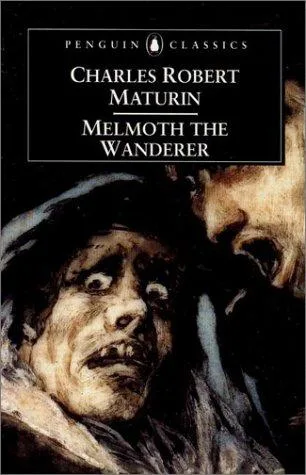
Melmoth the Wanderer
 72
72

Melmoth the Wanderer
Charles Maturin’s Melmoth the Wanderer is a monument to the operatic despair of the Gothic. Its ambition in structure, a hall of mirrors reflecting successive tales of woe, is matched by its relentless depiction of spiritual agony. The sheer density of suffering, however, can become its own antagonist; by the novel’s midpoint, the relentless parade of despair risks becoming monotonous. Yet, the exploration of Melmoth’s internal conflict, particularly his fleeting moments of regret and the phantom hope of salvation, offers a compelling, albeit bleak, psychological portrait. The passage describing Melmoth’s spectral appearance to his dying uncle, casting a shadow of dread that accelerates the man’s demise, vividly illustrates the novel's chilling power. This work is a harrowing study of a soul damned, not merely by external forces, but by its own internal corrosion. It remains a formidable, if taxing, literary achievement.
📝 Description
72
Charles Robert Maturin published Melmoth the Wanderer in 1820, a Gothic novel about a man cursed to wander Earth.
Melmoth the Wanderer, first published in 1820, tells the story of an Irishman who has made a pact with the devil for extended life. This pact requires him to wander the earth, searching for someone to take his place and thereby release him from his torment. The novel is structured as a series of interwoven tales, revealing Melmoth's long and desperate search across different eras and locations. Its complex narrative and oppressive mood have made it a notable piece of 19th-century Gothic fiction.
This book is best suited for readers who appreciate dense, challenging narratives and can tolerate a pervasive sense of dread. Those interested in the evolution of Gothic literature, the examination of existential despair, and the psychological effects of eternal damnation will find much to consider. It is also relevant for students of Romanticism and readers drawn to stories that confront themes of sin, the chance for redemption, and the supernatural.
Published in 1820, Melmoth the Wanderer stands as a significant work within the Gothic literary tradition, a genre that often grappled with supernatural elements and the darker aspects of human psychology. Maturin, an Irish clergyman, pushed the genre's boundaries by incorporating theological depth and intense psychological exploration. The novel engages directly with the Faustian myth, a concept that has long fascinated esoteric thought, examining the ultimate price of forbidden knowledge and power gained through infernal pacts. Its publication occurred during the Romantic period, a time when interest in the occult, the sublime, and the individual's struggle against fate was high.
✍️ Author
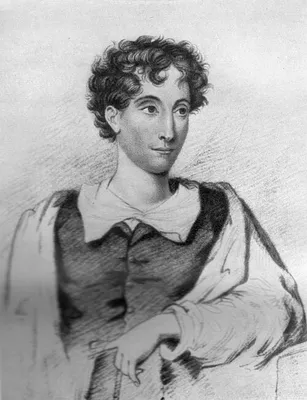
Charles Robert Maturin
Charles Robert Maturin, also known as C. R.
💡 Why Read This Book?
• Gain insight into the theological underpinnings of the Faustian pact, understanding how selling one's soul manifests in prolonged suffering and the impossibility of true peace, as depicted in Melmoth’s centuries-long curse. • Experience the intricate narrative architecture of nested stories, a technique Maturin employs to amplify the sense of inescapable doom, mirroring the cyclical nature of sin and consequence. • Confront the psychological erosion of eternal damnation, observing how Melmoth’s quest for release leads to profound alienation and the loss of his own humanity, a stark depiction of spiritual decay.
⭐ Reader Reviews
Honest opinions from readers who have explored this book.
❓ Frequently Asked Questions
When was Melmoth the Wanderer first published?
Melmoth the Wanderer was first published in 1820, marking it as a significant work of early 19th-century Gothic literature.
What is the central theme of Melmoth the Wanderer?
The central theme revolves around a man who has sold his soul for extended life and wanders the earth seeking someone to take his place, exploring themes of damnation, repentance, and existential despair.
Who is the author of Melmoth the Wanderer?
The author is Charles Robert Maturin, an Irish novelist and clergyman.
What literary movement does Melmoth the Wanderer belong to?
It is considered a seminal work of the Gothic literary movement, known for its dark themes, supernatural elements, and psychological intensity.
Is Melmoth the Wanderer based on a legend?
While not directly based on a single legend, it draws heavily on the Faustian myth of a pact with the devil, a common motif in European folklore and literature.
What makes the structure of Melmoth the Wanderer unique?
The novel employs a complex narrative structure of interpolated stories, where tales within tales unfold, creating a labyrinthine effect that enhances the sense of entrapment and despair.
🔮 Key Themes & Symbolism
The Faustian Bargain
The novel is a deep exploration of the Faustian bargain, where Melmoth has traded his soul for prolonged life. This pact is not merely a transaction but a source of unending torment, illustrating the esoteric concept that such agreements bind the individual to spiritual and psychological suffering. His ceaseless wandering is a manifestation of this cursed existence, a perpetual state of seeking release that can never be found through the pact itself. The narrative questions the possibility of redemption after such a profound spiritual transaction, a core concern in many esoteric traditions grappling with cosmic justice and personal accountability.
Existential Despair and Alienation
Melmoth’s condition renders him eternally alienated from humanity and the divine. He exists as an outsider, a spectral figure observing the world without true connection, a concept resonant with Gnostic ideas of the soul trapped in a flawed material existence. The pervasive atmosphere of gloom and hopelessness reflects a profound existential dread, where every interaction, every setting, is tinged with the shadow of his curse. This alienation is not just external but internal, a corrosive force that eats away at his being, making his immortality a profound curse rather than a gift.
Hypocrisy and Hidden Sin
The novel frequently exposes the hidden sins and hypocrisies of the society Melmoth encounters. His quest often leads him into the dark corners of human nature, revealing avarice, deceit, and cruelty masked by respectability. This theme aligns with esoteric critiques of societal structures that obscure spiritual truth and foster moral decay. Melmoth himself becomes a mirror reflecting the hidden darkness within others, his spectral presence forcing a confrontation with their own transgressions, even as he is driven by his own damnable secret.
The Nature of Suffering
Maturin presents suffering not merely as punishment but as an inherent state of being for the damned, and perhaps for all humanity burdened by sin. Melmoth’s suffering is multifaceted: spiritual, psychological, and existential. The novel probes whether suffering can lead to purification or merely to deeper degradation. This exploration touches upon concepts found in various mystical traditions that view trials and tribulations as potential pathways to enlightenment, though Melmoth’s case suggests a path irrevocably blocked by his original pact.
💬 Memorable Quotes
“He has been too long in the habit of suffering to be surprised by it.”
— This paraphrased concept highlights Melmoth's desensitization to torment. Centuries of existence under his infernal pact have rendered him numb to new forms of pain, suggesting that the true horror lies not in the suffering itself, but in its unending, unchanging nature.
“The consciousness of guilt is the beginning of repentance.”
— This interpretation points to a flicker of hope within Melmoth's damned existence. It suggests that even for a soul irrevocably bound, the recognition of one's transgressions is the first, albeit often insufficient, step toward seeking absolution.
“He was a wanderer, and his path was the earth.”
— This simple statement encapsulates Melmoth's eternal curse. His existence is defined by ceaseless movement without destination or rest, a physical manifestation of his spiritual homelessness and inability to find peace or atonement.
“There is nothing in the world so insupportable as to have a great deal of wit and no money.”
— While seemingly mundane, this observation by Mrs. Melmoth underscores the novel's critique of societal values. It highlights how worldly concerns and material poverty exacerbate spiritual and psychological suffering, a common theme in critiques of materialistic societies.
“The end of a millennium is always a time of great events.”
— This quote, though potentially apocryphal or context-dependent, speaks to the esoteric notion of cyclical time and significant cosmic shifts. It imbues the narrative with a sense of epochal importance, aligning Melmoth's personal damnation with larger, perhaps spiritual, historical junctures.
🌙 Esoteric Significance
Tradition
Melmoth the Wanderer engages with themes central to Christian esotericism and the broader Hermetic tradition concerning the soul's fate and the consequences of pacts with infernal powers. It echoes Gnostic dualism in its portrayal of a flawed world and a suffering soul seeking escape. The novel can be seen as a cautionary tale within a framework that understands spiritual transactions as having eternal repercussions, a concept explored in various occult traditions that warn against illicit knowledge or power gained through forbidden means.
Symbolism
The figure of Melmoth himself symbolizes the damned soul, eternally seeking but never finding solace, a living embodiment of spiritual isolation. His spectral presence, often appearing unbidden, represents the inescapable nature of guilt and the intrusion of the supernatural into the mundane. The recurring motif of hidden documents and secret pacts symbolizes the concealed knowledge and forbidden agreements that bind individuals to destructive paths, reflecting the esoteric emphasis on the power and danger of hidden truths.
Modern Relevance
Contemporary thinkers and practitioners interested in existential psychology, dark romanticism, and critiques of spiritual transactionalism find resonance in Maturin's work. It continues to inform discussions on the nature of free will versus predestination, the psychological impact of eternal damnation, and the literary representation of spiritual suffering. The novel's exploration of alienation and the search for meaning in a seemingly indifferent universe remains a potent subject for modern occult philosophy and comparative religious studies.
👥 Who Should Read This Book
• Students of comparative literature and Gothic studies will find a rich text for analyzing narrative structure, thematic development, and the evolution of supernatural fiction in the 19th century. • Readers interested in theological and philosophical explorations of sin, damnation, and repentance will benefit from the novel's intense focus on the consequences of a Faustian bargain. • Those drawn to dark, atmospheric narratives that delve into psychological torment and existential dread will appreciate the novel's pervasive sense of gloom and its exploration of human suffering.
📜 Historical Context
Melmoth the Wanderer emerged in 1820, a pivotal year for Gothic literature, following the success of works like Horace Walpole's The Castle of Otranto and Ann Radcliffe's Mysteries of Udolpho. Charles Maturin, an Irish clergyman, produced this complex novel amidst the fervent Romantic period, a time when authors like Percy Bysshe Shelley and Lord Byron were exploring themes of rebellion, the supernatural, and the limits of human experience. The novel’s dark, psychologically intense, and theologically probing nature pushed the boundaries of the Gothic genre, moving beyond mere spectral thrills to explore profound spiritual and existential dread. While contemporary critics were divided, with some finding its bleakness overwhelming, its intricate structure and morbid atmosphere were acknowledged. It was published in the same decade as Mary Shelley's Frankenstein (1818), placing it in dialogue with other significant explorations of the monstrous and the human condition.
📔 Journal Prompts
Melmoth’s unending wanderings: Reflect on the nature of a curse that compels perpetual motion without purpose.
The pact's true cost: Consider the spiritual and psychological price Melmoth paid for his extended life.
Experiences of alienation: Explore how Melmoth’s condition isolates him from human connection and divine grace.
The temptation of despair: Analyze how the novel depicts the struggle against overwhelming hopelessness.
Cycles of sin: Examine the nested stories and their role in illustrating recurring patterns of transgression.
🗂️ Glossary
Faustian Bargain
A literary motif involving a character who trades their soul to the devil or another demonic entity, typically in exchange for knowledge, power, or worldly pleasures. Melmoth embodies the long-term, agonizing consequences of such a pact.
Gothic Literature
A genre characterized by settings of decay and ruin, supernatural or horrific events, and a pervasive atmosphere of mystery and dread. Melmoth the Wanderer is a prime example, pushing the genre's psychological and theological boundaries.
Interpolated Story
A narrative inserted within a larger narrative. Maturin uses this technique extensively in Melmoth the Wanderer, creating a complex, layered structure that mirrors the entanglement of fates and the pervasiveness of despair.
Existential Despair
A profound sense of meaninglessness, alienation, and anguish arising from the human condition and the contemplation of mortality and freedom. Melmoth's existence is a prolonged state of existential despair.
Damnation
The state of being condemned to eternal punishment, typically in hell, following death. Melmoth’s condition is a form of earthly damnation, a living death.
Repentance
Genuine sorrow for past wrongdoing and a commitment to change one's behavior. The possibility and nature of repentance for the irrevocably damned are central questions in the novel.
Supernatural
Attributed to forces beyond the scientific explanation of the natural world, often involving ghosts, demons, or inexplicable phenomena. The supernatural is integral to Melmoth's cursed existence and the novel's atmosphere.