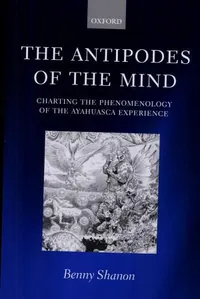
Dynamic Energetic Healing
 81
81

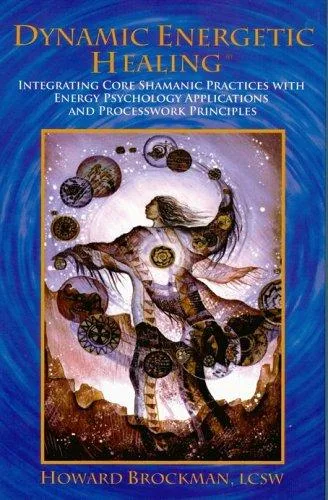
Dynamic Energetic Healing
Howard Brockman's Dynamic Energetic Healing attempts to codify a system of energy work that feels both grounded and expansive. The strength of the book lies in its methodical approach to diagnosing energetic imbalances, providing a clear framework that can be applied by practitioners. Brockman's description of the "energetic anatomy" offers a useful map for navigating the subtle realms. However, the text sometimes leans towards overly technical jargon without always providing sufficient practical demonstration for complex techniques, which might leave absolute beginners feeling slightly adrift. A passage detailing the application of "energetic scissors" to sever psychic attachments, for instance, while conceptually interesting, could benefit from more explicit step-by-step guidance. Despite this limitation, the work offers a valuable perspective for those looking to deepen their understanding and practice of energetic healing modalities.
📝 Description
81
Howard Brockman's Dynamic Energetic Healing, published in 2006, presents practical methods for manipulating subtle energies.
Published in 2006, Dynamic Energetic Healing offers a structured system for understanding and working with subtle energies in a therapeutic context. Howard Brockman moves beyond theory to detail practical applications for practitioners. The book outlines a method for addressing imbalances within the energetic body, which Brockman suggests are the root of many physical and emotional conditions. It is designed as a resource for those looking to incorporate energetic techniques into their healing practices.
The text is suitable for individuals involved in complementary and alternative healing, such as energy workers, bodyworkers, and therapists interested in energetic principles. Students of esoteric philosophy and metaphysics who want to apply subtle energy concepts will also find it valuable. Those with backgrounds in bioenergetics may find the material especially relevant.
Brockman's approach centers on an 'energetic anatomy,' describing subtle bodies and energy centers. He details techniques for identifying energetic blockages and correcting them using focused intention and specific methods. The book stresses the connection between mind, body, and spirit, asserting that effective healing requires attention to all three.
Emerging in the early 21st century, a period of renewed interest in holistic health, Dynamic Energetic Healing contributes to a literature bridging ancient healing traditions with contemporary ideas about consciousness. It shares conceptual space with authors who examine the human energy field, though it functions independently of specific schools like Barbara Brennan's. The work addresses the practical application of subtle energy concepts within a spiritual development framework.
💡 Why Read This Book?
• Learn specific diagnostic techniques for identifying energetic blockages, as detailed in Brockman's exploration of the "energetic anatomy," allowing for more targeted healing interventions. • Gain practical methods for clearing and balancing the energy field, moving beyond theoretical understanding to actionable practices outlined in the book's system. • Understand the author's conceptualization of "psychic residue" and how to address it, offering a unique approach to energetic hygiene not commonly found in other texts.
⭐ Reader Reviews
Honest opinions from readers who have explored this book.
❓ Frequently Asked Questions
What year was Dynamic Energetic Healing first published?
Dynamic Energetic Healing was first published in 2006, reflecting a period of growing interest in holistic and alternative therapeutic approaches.
Who is the author of Dynamic Energetic Healing?
The author is Howard Brockman, whose work offers a structured approach to understanding and manipulating subtle energies for healing purposes.
What is the primary focus of Dynamic Energetic Healing?
The book focuses on practical methods for diagnosing and treating energetic imbalances within the subtle bodies, aiming to promote physical and emotional well-being.
What kind of reader would benefit most from this book?
Practitioners of alternative healing, energy workers, and students of esoteric philosophy interested in applying energetic principles will find this book particularly useful.
Does the book discuss specific energetic anatomy concepts?
Yes, Dynamic Energetic Healing details a concept of "energetic anatomy," outlining various subtle bodies and energy centers for diagnostic and therapeutic understanding.
Are the techniques presented in the book difficult to learn?
While the book provides structured methods, some techniques may require dedicated practice and a foundational understanding of energetic principles to master effectively.
🔮 Key Themes & Symbolism
Energetic Anatomy
Brockman's work meticulously outlines a concept of "energetic anatomy," detailing the subtle bodies and their constituent energy centers. This forms the foundational map for understanding the flow and potential blockages within the human energy field. The text explores how these energetic structures interact with physical and emotional states, providing a framework for diagnosis and intervention. Understanding this intricate energetic architecture is presented as crucial for effective healing, moving beyond superficial symptoms to address root energetic imbalances.
Diagnosis of Energetic Imbalances
A significant portion of Dynamic Energetic Healing is dedicated to methods for identifying disruptions in the energetic system. Brockman introduces specific techniques and observational cues that practitioners can utilize to pinpoint areas of congestion, depletion, or misalignment within the subtle bodies. This diagnostic approach is central to the book's practical utility, enabling a targeted application of healing energies rather than generalized treatment. The ability to accurately diagnose is portrayed as the critical first step toward restoring energetic equilibrium.
Therapeutic Energetic Interventions
The book details a range of techniques designed to restore balance and vitality to the energetic field. These interventions, often involving focused intention, visualization, and specific energetic "tools" or movements, aim to clear blockages and harmonize energy flow. Brockman emphasizes the active role of the practitioner in guiding and manipulating these energies. The methods described are intended to facilitate the body's innate healing capacity by addressing the energetic causes of dis-ease.
The Energetic Basis of Well-being
Dynamic Energetic Healing posits that physical and emotional health are intrinsically linked to the state of one's energetic system. The work explores how "psychic residue" and energetic disruptions can manifest as tangible ailments. By treating the energetic body, the author argues, one can effect profound changes in overall well-being. This perspective elevates energetic work from a supplementary practice to a primary modality for comprehensive health and vitality.
💬 Memorable Quotes
Direct passages from the work, attributed to the author.
“The energetic body is the blueprint for the physical.”
— This statement expresses Brockman's core thesis: that the subtle energy fields and their structures precede and inform the physical manifestation of the body, suggesting that imbalances in the former are the origin of physical ailments.
“Blockages in the energy flow lead to stagnation and dis-ease.”
— This highlights the dynamic nature of the energetic system and the direct correlation between unimpeded energy circulation and health. It emphasizes that any impediment can have significant consequences for overall well-being.
“Intent is the primary tool for energetic manipulation.”
— Brockman underscores the power of focused consciousness and will in directing and shaping subtle energies. This suggests that the practitioner's mental clarity and directed intention are paramount in the healing process.
“Clearing psychic residue is essential for energetic hygiene.”
— This concept points to the accumulation of non-physical energetic detritus, akin to energetic pollution, which can negatively impact an individual's vitality and requires specific methods for removal.
“The energetic anatomy provides a map for healing.”
— This metaphor emphasizes the systematic and structured nature of Brockman's approach, positioning the described energetic structures as a guide for practitioners to navigate and treat the subtle bodies.
🌙 Esoteric Significance
Tradition
Brockman's work fits within the broader Hermetic and Neoplatonic traditions that emphasize the interconnectedness of all things and the existence of subtle planes of reality. It aligns with principles found in Theosophy and modern energy medicine, which posit an "energetic anatomy" distinct from the physical form. While drawing on these lineages, 'Dynamic Energetic Healing' offers a distinct, systematized methodology for practical application, focusing on diagnostic and therapeutic techniques.
Symbolism
Key symbols implicitly explored include the concept of energy flow, often visualized as currents or streams, representing vitality and health. Blockages are symbolized by points of stagnation or obstruction. The "energetic anatomy" itself, with its centers and channels, acts as a symbolic map of consciousness and life force, guiding the practitioner through the subtle realms to restore balance and harmony.
Modern Relevance
Contemporary energy healers, practitioners of Reiki, Quantum-Touch, and various forms of subtle energy therapy can find valuable frameworks and techniques within Brockman's work. His systematic approach to diagnosis and intervention remains relevant for those seeking to refine their energetic practices and deepen their understanding of the subtle bodies in relation to physical and emotional health.
👥 Who Should Read This Book
• Energy healing practitioners seeking to enhance their diagnostic skills and add structured techniques to their practice, as presented in Brockman's system. • Students of esoteric philosophy and metaphysics interested in the practical application of subtle energy principles beyond theoretical study. • Therapists and bodyworkers looking to integrate energetic concepts into their existing modalities for a more holistic approach to client well-being.
📜 Historical Context
Howard Brockman's Dynamic Energetic Healing, published in 2006, emerged during a period of significant growth in the popularity of holistic health and alternative therapies. The early 21st century saw a broader societal embrace of practices that moved beyond conventional Western medicine, influenced by earlier New Age movements and a growing scientific interest in consciousness studies. Brockman's work contributed to this expanding field by offering a systematic approach to energy healing, distinct from, yet conceptually related to, the energy field theories explored by figures like Barbara Brennan, whose influential book 'Hands of Light' predated Brockman's by over a decade. While not directly engaging in public debates, Brockman's book implicitly responded to a desire for more structured and accessible methods within the burgeoning field of subtle energy therapeutics, aiming to provide practical tools for practitioners and students alike.
📔 Journal Prompts
The energetic anatomy described by Brockman: How does it compare to your current understanding?
Reflect on a time you experienced "psychic residue" and how it manifested.
Consider the concept of "energetic scissors": What would you intend to sever and why?
Analyze a personal imbalance through the lens of blocked energy flow.
How might the "energetic blueprint" concept influence your daily health practices?
🗂️ Glossary
Energetic Anatomy
The conceptual framework outlining the subtle bodies, energy centers (chakras), and channels (nadis or meridians) that comprise the non-physical energetic system of a being.
Subtle Bodies
Planes of existence or energetic layers that interpenetrate the physical body, such as the etheric, astral, and mental bodies, each with distinct functions and characteristics.
Energy Centers
Points of concentrated energy within the subtle bodies, often associated with specific physical locations and psychological or spiritual functions; commonly known as chakras.
Energy Flow
The movement and circulation of life force or vital energy (prana, chi, etc.) through the energetic anatomy, essential for maintaining health and vitality.
Blockage
An obstruction or stagnation in the flow of energy within the subtle bodies, believed to be a precursor or cause of physical, emotional, or mental imbalances.
Psychic Residue
Energetic imprints or attachments accumulated from experiences, people, or environments that can affect an individual's energetic state and well-being.
Energetic Imbalance
A state where the subtle bodies are not functioning harmoniously, characterized by deficiencies, excesses, or disruptions in energy flow and distribution.
🔮 Readers Also Liked
Browse all →








More by Howard Brockman
All books →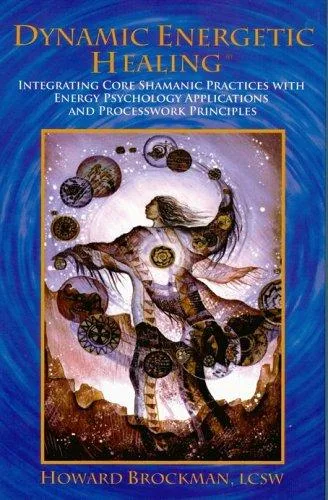
More Free Occult Philosophy Books
View all →