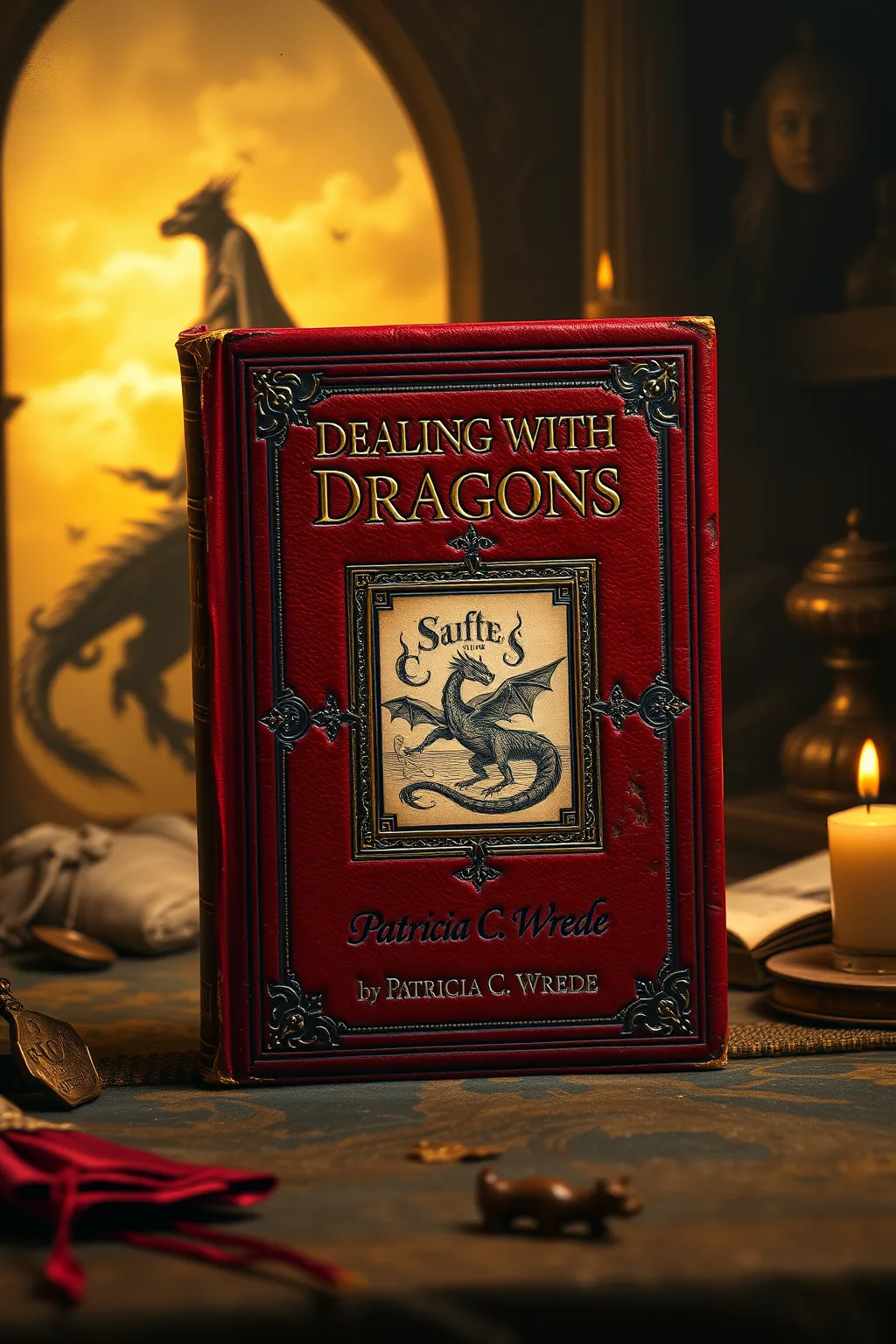
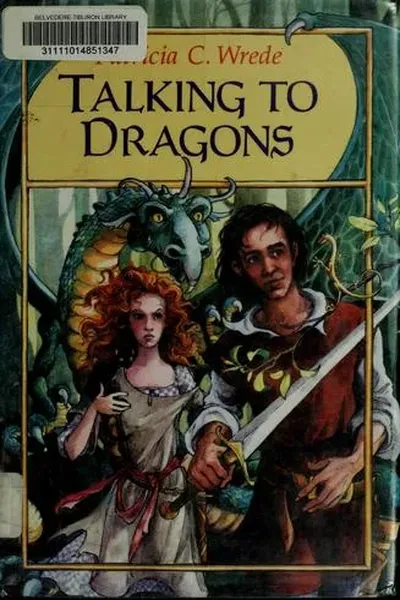
Calling on dragons

 79
79

Calling on dragons
Patricia C. Wrede’s *Calling on Dragons* sidesteps the typical dragon-slayer narrative, instead positing a world where dragons are integral to societal structures. The novel’s strength lies in its intricate world-building, particularly how it imagines the political and economic systems that would develop around intelligent, powerful draconic beings. The concept of a Dragon Rider Guild, established by King Theron, is a particularly well-realized element, showcasing the practicalities of integrating such formidable creatures. However, the pacing occasionally falters, with certain political machinations feeling somewhat drawn out. A specific passage detailing the negotiation of dragon-scale tariffs, for instance, while demonstrating the book’s commitment to realism, slows the narrative momentum. Despite this, Wrede's exploration of interspecies diplomacy and the evolution of human societies in the presence of dragons is intellectually engaging. It’s a novel that treats its mythical elements with a serious, analytical eye.
📝 Description
79
### What It Is
Patricia C. Wrede's *Calling on Dragons*, first published in 1993, presents a unique exploration of dragon lore and human interaction with these mythical beings. It is not a treatise on dragon summoning in the occult sense, but rather a narrative that examines the societal structures, political maneuvering, and personal relationships that arise when dragons are a tangible presence. The work situates dragons not as mere beasts, but as intelligent, complex entities with their own histories and motivations, challenging conventional fantasy tropes.
### Who It's For
This book appeals to readers interested in fantasy literature that moves beyond simple quest narratives. It is particularly suited for those who appreciate world-building that considers the broader implications of fantastical elements on society, economics, and governance. Fans of Wrede's earlier works, such as the *Enchanted Forest Chronicles*, will find familiar thematic threads, while new readers will discover a thoughtfully constructed world where magic and politics intertwine. It's for those who ponder the 'what ifs' of mythical creatures existing within human civilization.
### Historical Context
Published in 1993, *Calling on Dragons* emerged during a period of significant growth and diversification in fantasy literature. Authors were increasingly experimenting with more complex world-building and character development, moving away from archetypal fantasy. Wrede's approach, focusing on the socio-political impact of dragons, aligns with this trend, offering a more grounded perspective than many contemporary high fantasy novels. The work can be seen as part of a broader wave of fantasy that began to interrogate the implications of magic and non-human intelligence within established societal frameworks, mirroring earlier intellectual explorations of societal structures and mythical beings.
### Key Concepts
The central concepts revolve around the integration of dragons into human society. This includes the establishment of dragon riders as a distinct social class, the economic implications of dragon ownership and use, and the diplomatic relations between human kingdoms and dragon territories. The book also delves into the nature of pacts and agreements between species, exploring the ethical considerations and the challenges of interspecies communication. The concept of 'dragon speech' as a complex language, rather than simple roars, is pivotal, highlighting the intellectual parity between humans and dragons.
💡 Why Read This Book?
• Gain an understanding of how established societal structures, like the Dragon Rider Guild mentioned in the text, might realistically form and function when incorporating powerful, sentient mythical creatures. • Explore the complex political and economic ramifications of interspecies relations, specifically examining the challenges and opportunities presented by dragon-human diplomacy as depicted in the narrative. • Appreciate a nuanced portrayal of dragon intelligence, moving beyond simple fantasy beasts to understand them as complex beings with their own language and motivations, as explored through the concept of dragon speech.
⭐ Reader Reviews
Honest opinions from readers who have explored this book.
❓ Frequently Asked Questions
What is the primary focus of 'Calling on Dragons' by Patricia C. Wrede?
The book focuses on the societal, political, and economic integration of intelligent dragons into human civilization, exploring concepts like dragon rider guilds and interspecies diplomacy, rather than a typical adventure narrative.
When was 'Calling on Dragons' originally published?
Patricia C. Wrede's 'Calling on Dragons' was first published in 1993.
Does the book feature traditional dragon summoning rituals?
No, 'Calling on Dragons' does not focus on occult dragon summoning. Instead, it explores the established relationships and societal structures that exist when dragons are a known part of the world.
What kind of world-building can readers expect?
Readers can expect intricate world-building that considers the practical implications of dragons on governance, economics, and social classes, as exemplified by the development of dragon rider guilds and trade in dragon parts.
Is this book suitable for young adults?
Yes, similar to Wrede's other works, 'Calling on Dragons' is suitable for young adult readers and adults interested in thoughtful fantasy with complex world-building and character interactions.
What makes the dragons in this book different from other fantasy works?
The dragons are depicted as intelligent, communicative beings with their own societies and motivations, capable of forming pacts and engaging in complex diplomacy, rather than being depicted solely as monsters or beasts.
🔮 Key Themes & Symbolism
Dragon-Human Societies
The work delves into the complex societal structures that emerge when dragons are not mere creatures of myth but intelligent beings coexisting with humanity. It examines the establishment of specialized roles like dragon riders and the creation of guilds, such as the Dragon Rider Guild, to manage these relationships. This integration impacts economics, politics, and social hierarchies, presenting a world where draconic presence shapes civilization in tangible ways, moving beyond simple fantasy encounters to explore the systemic implications of such an coexistence.
Interspecies Diplomacy and Pacts
A core theme is the intricate process of diplomacy and agreement-making between humans and dragons. The book highlights that dragons possess their own languages and forms of communication, necessitating careful negotiation and the establishment of formal pacts. This exploration questions the nature of intelligence and the challenges of understanding between different species, emphasizing mutual respect and the establishment of treaties to govern interactions and prevent conflict, as seen in the negotiation of dragon-scale tariffs.
Dragon Intelligence and Agency
Wrede consistently portrays dragons as possessing significant intelligence, agency, and distinct personalities, rather than simply functioning as monstrous obstacles or mounts. They are shown to have their own histories, motivations, and the capacity for complex thought and communication. This elevates them beyond typical fantasy beasts, making them active participants in the world's affairs. The concept of 'dragon speech' underscores their intellectual parity, allowing for genuine dialogue and understanding.
Political and Economic Ramifications
The narrative meticulously details the political and economic consequences of integrating dragons into human society. From the value placed on dragon parts for trade to the strategic importance of dragon riders in warfare and diplomacy, the book illustrates how such a powerful species influences global affairs. The establishment of trade agreements and the management of resources derived from dragons are explored, demonstrating a grounded approach to fantastical elements.
💬 Memorable Quotes
“The dragons were not beasts to be tamed, but entities to be understood.”
— This interpretation highlights the book's central premise: that dragons are depicted as intelligent beings deserving of respect and diplomatic engagement, rather than mere tools or monsters for human use.
“Pacts between humans and dragons required more than words; they demanded mutual understanding.”
— This paraphrased concept emphasizes the difficulty and necessity of genuine cross-species communication and empathy when forging agreements, suggesting that true alliances transcend simple linguistic exchanges.
“The Dragon Rider Guild was not just about flying; it was about a shared responsibility.”
— This highlights the functional and ethical dimension of specialized roles within the narrative, portraying the Dragon Rider Guild as an institution built on duty and partnership, not just skill or power.
“King Theron understood that dragon scales were as valuable as gold, but far more complex to trade.”
— This points to the intricate economic considerations introduced by the presence of dragons, illustrating how their unique biological attributes create complex trade scenarios and political challenges.
“Dragon speech was a language of nuance, history, and ancient pacts.”
— This emphasizes the sophisticated nature of dragon communication within the story, portraying it as a rich form of expression deeply tied to their culture and historical interactions with humans.
🌙 Esoteric Significance
Tradition
While not explicitly tied to a singular esoteric tradition like Hermeticism or Kabbalah, *Calling on Dragons* engages with themes resonant in broader mythological and animistic thought. It approaches dragons not as demons or angels, but as powerful, intelligent beings with their own societal structures and spiritual significance, echoing ancient dragon veneration and shamanic traditions that view animals and mythical creatures as potent spiritual forces. The work implicitly explores a form of 'natural magic' where the inherent power and presence of dragons shape human culture and belief.
Symbolism
The primary symbols are the dragons themselves, representing immense power, ancient wisdom, and elemental forces that can either integrate with or disrupt human society. Dragon scales symbolize valuable resources and trade commodities, highlighting the economic impact of these beings. Dragon speech represents communication, intelligence, and the potential for understanding between disparate species, underscoring the narrative's emphasis on diplomacy and mutual respect rather than brute force.
Modern Relevance
Contemporary fantasy authors and world-builders continue to draw inspiration from Wrede's approach to integrating fantastical creatures into believable societal frameworks. The book's exploration of interspecies communication, diplomacy, and the complex political economies that arise from such relationships remains relevant for writers and readers interested in sophisticated fantasy. Thinkers exploring comparative mythology and the human relationship with the 'other' can find parallels in Wrede's nuanced portrayal of dragons as intelligent agents.
👥 Who Should Read This Book
• Readers interested in comparative mythology and the anthropological study of fictional worlds, who seek to understand how societies might realistically adapt to the presence of powerful, intelligent mythical beings. • Young adult and adult fantasy enthusiasts who appreciate intricate world-building and narratives that focus on political intrigue, economic systems, and diplomatic relations over traditional adventure tropes. • Writers and world-builders looking for examples of how to develop complex, sentient non-human characters and explore the tangible impact of magic and myth on societal structures.
📜 Historical Context
Published in 1993, *Calling on Dragons* emerged in a dynamic period for fantasy literature, characterized by authors increasingly exploring nuanced world-building and societal implications. Patricia C. Wrede’s work fits within this trend, moving beyond archetypal fantasy to consider the socio-political integration of mythical creatures. Unlike many contemporary high fantasy novels that focused on epic quests, Wrede’s novel examines the practicalities of governance, economics, and interspecies relations. The intellectual currents of the early 1990s saw a growing interest in comparative mythology and the anthropology of fictional worlds, and Wrede’s thoughtful approach to dragon lore resonated with this. While not directly engaging with the works of contemporaries like J.R.R. Tolkien in terms of style, her focus on the societal impact of dragons offers a distinct perspective on the genre. The book’s reception was generally positive, appreciated for its clever premise and detailed world-building, contributing to the evolving landscape of speculative fiction that was becoming more complex and self-aware.
📔 Journal Prompts
Dragon pacts: What principles of mutual understanding are essential for lasting agreements?
The Dragon Rider Guild: Reflect on the societal benefits of specialized, integrated roles.
Dragon speech: How does nuanced communication shape interspecies relationships?
Economic impact of mythical creatures: Consider the trade implications of dragon scales.
King Theron's diplomacy: Analyze the balance between power and negotiation in governance.
🗂️ Glossary
Dragon Rider Guild
An organization within the book dedicated to the training, management, and utilization of dragon riders, highlighting a structured approach to human-dragon partnership.
Dragon Speech
The complex and nuanced language used by dragons, indicating their high intelligence and capacity for sophisticated communication beyond simple roars or sounds.
Pacts
Formal agreements or treaties established between humans and dragons, emphasizing the diplomatic and legal frameworks governing their interactions.
Dragon Scales
A valuable commodity derived from dragons, illustrating the economic impact of these creatures and the complex trade negotiations surrounding them.
King Theron
A significant ruler in the narrative who understands the political and economic value of dragons and plays a role in shaping human-dragon relations.
Interspecies Diplomacy
The art and practice of negotiation and relationship-building between different species, as exemplified by the interactions between humans and dragons in the book.
Sentient Dragons
Dragons depicted as having consciousness, intelligence, and self-awareness, capable of complex thought, communication, and agency, rather than being mere beasts.