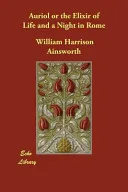
Auriol Or the Elixir of Life and a Night in Rome
 77
77

Auriol Or the Elixir of Life and a Night in Rome
Ainsworth's "Auriol" offers a curious blend of Gothic melodrama and nascent alchemical speculation, a combination that feels both familiar and oddly prescient for its time. The narrative’s strength lies in its atmospheric descriptions of eerie locales and the persistent, if somewhat melodramatic, quest for the titular elixir. However, the characterizations, particularly of the female leads, can feel underdeveloped, serving more as plot devices than fully realized individuals. The transition to "A Night in Rome" is abrupt, shifting from supernatural quest to historical observation. While the Roman vignettes possess a certain romantic charm, they lack the driving narrative force of "Auriol." A passage describing the spectral quality of moonlight on the Colosseum, for instance, captures the intended mood effectively, showcasing Ainsworth’s descriptive talent. Ultimately, the work is an interesting artifact of 19th-century literary trends in the supernatural and historical fiction, though its pacing and character depth may challenge modern readers. It’s a curious but flawed exploration of immortality and historical atmosphere.
📝 Description
77
### What It Is Auriol Or the Elixir of Life and a Night in Rome presents two distinct narratives by William Harrison Ainsworth, originally published in 2007. The first part, "Auriol," is a Gothic romance with alchemical undertones, following a protagonist's quest for immortality and love amidst supernatural intrigue. The second, "A Night in Rome," offers a historical sketch of the Eternal City, imbued with a sense of mystery and nocturnal exploration. Together, they form an eclectic collection.
### Who It's For This volume appeals to readers interested in 19th-century Gothic literature, particularly those with a fascination for alchemical symbolism and early explorations of the elixir of life concept. It is also suited for those who appreciate historical vignettes of European cities, especially Rome, presented with a romantic and slightly mysterious flair. Scholars of Victorian literature and occult themes will find its unique blend noteworthy.
### Historical Context William Harrison Ainsworth was a prolific author in the Victorian era, known for his historical romances and Gothic tales. "Auriol" emerged during a period when interest in mesmerism, spiritualism, and occult philosophies was surging in Britain, influenced by figures like Eliphas Lévi and the burgeoning Theosophical Society. "A Night in Rome" reflects the Romantic fascination with ancient ruins and historical locales, a trend popularised by travel literature and grand tours. Ainsworth's contemporaries included authors like Edward Bulwer-Lytton, who also explored supernatural and esoteric themes.
### Key Concepts The central concept in "Auriol" revolves around the alchemical pursuit of the Elixir of Life, a legendary substance believed to grant immortality or eternal youth. This quest is interwoven with themes of forbidden love, supernatural pacts, and the moral consequences of tampering with natural life spans. "A Night in Rome" explores the evocative atmosphere of historical sites at night, touching upon themes of memory, transience, and the enduring spirit of the past within a cityscape. The juxtaposition suggests a broader contemplation of life, death, and enduring legacies.
💡 Why Read This Book?
• Gain insight into early 19th-century literary explorations of alchemical quests for immortality, specifically through the character's pursuit of the Elixir of Life in "Auriol. • Experience a romanticized nocturnal view of historical Rome, as depicted in "A Night in Rome," allowing for reflection on the city's enduring mystique. • Understand the intersection of Gothic romance and nascent occult interests prevalent in Victorian literature through Ainsworth's unique narrative approach.
⭐ Reader Reviews
Honest opinions from readers who have explored this book.
❓ Frequently Asked Questions
When was William Harrison Ainsworth's "Auriol or the Elixir of Life and a Night in Rome" first published?
The collection "Auriol or the Elixir of Life and a Night in Rome" by William Harrison Ainsworth was first published on December 1, 2007, though the original works likely appeared much earlier in the 19th century.
What is the central theme of the "Auriol" section of the book?
The central theme of "Auriol" is the pursuit of the Elixir of Life, a mythical substance for immortality, intertwined with Gothic romance and supernatural elements.
What kind of content does "A Night in Rome" offer?
"A Night in Rome" provides a historical and atmospheric sketch of the city, focusing on its nocturnal ambiance and historical resonance rather than a strong plot.
What literary genre does "Auriol" primarily belong to?
"Auriol" primarily belongs to the Gothic romance genre, featuring elements of mystery, the supernatural, and a dramatic quest narrative.
Does the book explore real alchemical practices?
While "Auriol" uses the concept of the Elixir of Life, it is presented within a fictional, Gothic narrative framework rather than as a guide to historical alchemical practices.
Who was William Harrison Ainsworth?
William Harrison Ainsworth was a popular 19th-century English novelist known for historical romances and Gothic tales, active during the Victorian era.
🔮 Key Themes & Symbolism
The Elixir of Life
The pursuit of the Elixir of Life dominates "Auriol," reflecting a persistent human desire for immortality and eternal youth. This theme is explored through the protagonist's dangerous quest, touching upon the moral and spiritual costs associated with tampering with the natural order of life and death. Ainsworth uses this alchemical concept to drive the Gothic plot, exploring the temptations and perils of seeking unnatural longevity within a dramatic narrative.
Gothic Atmosphere and Supernatural Elements
Ainsworth employs classic Gothic tropes in "Auriol," including ancient castles, mysterious figures, and supernatural occurrences. The narrative creates a pervasive sense of dread and suspense, characteristic of the genre. This atmosphere is crucial for exploring themes of hidden desires and the consequences of forbidden knowledge, where the supernatural is not merely decorative but integral to the characters' moral and psychological struggles.
Historical Vignettes of Rome
"A Night in Rome" shifts focus to the historical and evocative aspects of the Eternal City. It presents Rome not just as a setting but as a character imbued with history and mystery, particularly under the cloak of night. This section allows for contemplation on the enduring presence of the past, the romantic allure of ruins, and the spectral quality of historical landscapes, offering a counterpoint to "Auriol's" focused supernatural quest.
The Nature of Existence and Legacy
Juxtaposing the quest for individual immortality in "Auriol" with the contemplation of Rome's ancient legacy in the second part, the collection implicitly probes the nature of existence. It questions what truly endures: the individual's desperate grasp for perpetual life, or the collective memory and physical remnants of history. This contrast invites reflection on mortality, fame, and the lasting impact one leaves behind.
💬 Memorable Quotes
“The air was thick with the perfume of strange flowers, and the moonlight seemed to fall with an unnatural pallor upon the ancient stones.”
— This passage from "Auriol" effectively conjures the eerie and otherworldly atmosphere typical of Gothic literature, setting the stage for supernatural events and psychological tension.
“He sought that which would make man a god, yet risked becoming a demon in his pursuit.”
— This interpretation highlights the Faustian bargain at the heart of "Auriol's" quest for the Elixir of Life, emphasizing the moral danger inherent in seeking ultimate power or eternal life.
“Rome slept, but her history kept a silent, eternal vigil.”
— This phrase from "A Night in Rome" captures the Romantic fascination with historical sites, suggesting that the past retains a potent, almost sentient presence within the sleeping city.
“The elixir promised years beyond reckoning, but at what cost to the soul?”
— This paraphrased concept underscores the central dilemma of "Auriol": the potential spiritual corruption or damnation that accompanies the attainment of unnatural longevity through alchemical means.
“Beneath the modern veneer, the ghosts of emperors and gladiators still walked the moonlit forums.”
— This interpretation conveys the historical depth and spectral quality Ainsworth imbues in "A Night in Rome," illustrating how the past is perceived to linger in the ancient cityscape.
🌙 Esoteric Significance
Tradition
The work touches upon the Hermetic tradition's long-standing fascination with the Elixir of Life, a central tenet in the pursuit of alchemical transmutation and spiritual perfection. While not a rigorous alchemical text, "Auriol" channels the popular imagination surrounding this concept, framing it within a Gothic narrative. It departs from strict Hermeticism by emphasizing the dramatic and moralistic aspects over the philosophical or spiritual discipline, aligning more with Victorian sensationalism than classical esoteric instruction.
Symbolism
The primary symbol is the Elixir of Life itself, representing immortality, ultimate knowledge, or divine power – a goal fraught with peril. Another motif is the ancient, often decaying, edifice (like a castle or Roman ruin), symbolizing the weight of history, the persistence of the past, and the potential for hidden secrets or supernatural presences. Moonlight, frequently employed, often signifies mystery, illusion, or a liminal state between the natural and the supernatural worlds.
Modern Relevance
Contemporary interest in "Auriol" stems from its representation of the enduring human desire for transcendence and longevity, themes still explored in modern speculative fiction and New Age philosophies. The book's blend of historical setting and esoteric quest appeals to modern readers interested in the evolution of occult themes in literature. It serves as a historical touchstone for understanding how concepts like alchemy and the quest for eternal life were adapted into popular Victorian narratives, influencing later works in fantasy and occult fiction.
👥 Who Should Read This Book
• Students of 19th-century Gothic literature seeking primary examples of how occult themes like alchemy were integrated into popular fiction. • Enthusiasts of historical city narratives interested in romanticized portrayals of Rome, particularly its nocturnal atmosphere and historical resonance. • Readers exploring the evolution of esoteric concepts in literature, examining how the myth of the Elixir of Life was depicted in the Victorian era.
📜 Historical Context
William Harrison Ainsworth penned "Auriol" during the mid-19th century, a period marked by fervent interest in spiritualism, mesmerism, and occult philosophies across Britain. This era saw figures like Eliphas Lévi publishing influential works on magic and the Kabbalah, and the nascent Theosophical Society was forming, indicating a widespread fascination with esoteric knowledge. "A Night in Rome" reflects the enduring Romantic impulse to explore historical sites, a trend popularized by travelogues and the Grand Tour, which imbued ancient locations with a sense of mystery and sublime beauty. Ainsworth's contemporary, Edward Bulwer-Lytton, also engaged with supernatural and occult themes in works like "The Coming Race." While Ainsworth was a popular novelist, his forays into more overtly esoteric subjects like alchemy in "Auriol" were part of a broader literary current exploring the boundaries of science, faith, and the supernatural.
📔 Journal Prompts
Reflect on the protagonist's pursuit of the Elixir of Life and its potential spiritual costs.
Analyze the symbolic significance of the moonlit ruins in "A Night in Rome."
Consider the moral implications of achieving immortality as presented in "Auriol."
Explore the atmosphere Ainsworth creates in the Gothic setting of "Auriol."
Compare the enduring legacy of Rome to the personal quest for longevity in "Auriol."
🗂️ Glossary
Elixir of Life
A legendary alchemical potion believed to grant immortality, eternal youth, or the ability to cure all diseases. Its pursuit is a central theme in "Auriol."
Gothic Romance
A literary genre characterized by elements of mystery, horror, suspense, and supernatural events, often set in ancient castles or desolate locations. "Auriol" employs many of these tropes.
Alchemy
An ancient proto-scientific and philosophical tradition concerned with transmutation of substances, the elixir of life, and spiritual purification. Ainsworth uses its concepts metaphorically in "Auriol."
Vignette
A brief, evocative description or sketch, often focusing on a particular scene or mood. "A Night in Rome" consists of several such historical and atmospheric sketches.
Transience
The state of being impermanent or fleeting. This concept is explored through the contrast between the desire for eternal life and the ephemeral nature of human existence and historical monuments.
Supernatural
Events or phenomena that are beyond the scope of normal scientific understanding. Ainsworth incorporates supernatural elements into "Auriol" to enhance its Gothic effect.
Hermeticism
A religious, philosophical, and esoteric tradition based primarily upon writings attributed to Hermes Trismegistus, often associated with alchemy and the quest for divine knowledge.