The Book of Forbidden Knowledge
 73
73

The Book of Forbidden Knowledge
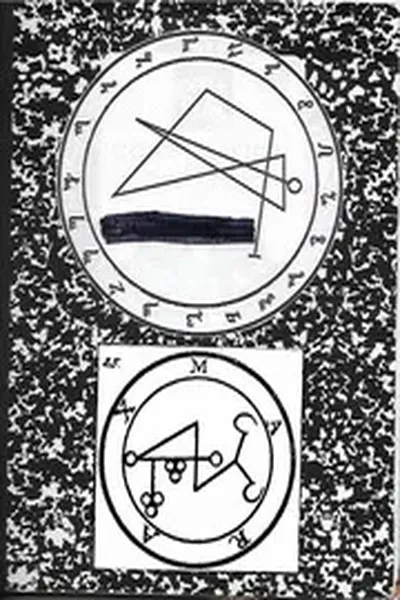
The "Book of Forbidden Knowledge" is a remarkable artifact, presenting a dense, unified collection of esoteric disciplines that typically remained siloed. Its strength is this very comprehensiveness, offering a singular volume that touches upon mesmerism, ceremonial magic, and folk healing with surprising breadth for its origin period, likely the late 19th to early 20th century. The manuscript's compilation of disparate arts into one work is its most compelling feature. However, the sheer density can be overwhelming; the sections on talismans, for instance, could benefit from more extensive practical diagrams or clearer step-by-step instructions rather than descriptive prose. A particularly intriguing passage discusses the correspondences between astrological bodies and specific herbal remedies, linking celestial mechanics to terrestrial applications in a manner that feels both archaic and potent. Ultimately, this book serves as a potent, if sometimes challenging, window into a syncretic occult worldview.
📝 Description
73
This grimoire unifies occult practices, a rarity for its time.
The Book of Forbidden Knowledge gathers a wide array of occult disciplines into a single manuscript. It covers magical theory and practical application, from basic concepts to advanced techniques. This text is for practitioners who want a comprehensive resource, preferring one dense volume to scattered individual texts on subjects like mesmerism, talismans, and ceremonial magic. It offers both practical guidance and theoretical understanding. The manuscript was created between the late 1800s and the 1920s, a time when spiritualism and the occult saw considerable interest in Europe and America. It captures the period's fascination with ancient mysteries and the developing areas of parapsychology and esoteric philosophy.
What sets this book apart is its integration of various occult fields. It shows how practices like fortune-telling, folk healing, and complex magical rites can be seen as parts of a unified esoteric perspective. This comprehensive view distinguishes it from other grimoires of that era that focused on a single area. The work is a valuable resource for those dedicated to studying the full scope of occult traditions.
Emerging in the late 19th and early 20th centuries, this manuscript reflects a period of heightened interest in spiritualism and occultism across Europe and America. It aligns with the era's broader fascination with ancient mysteries and the nascent fields of parapsychology and esoteric philosophy. The book's synthesis of diverse magical disciplines, such as fortune-telling, folk healing, and complex rituals, positions it within a tradition of grimoires that sought to codify and connect various branches of the occult, often drawing from earlier esoteric currents.
💡 Why Read This Book?
• Gain a unified understanding of disparate occult arts, such as ceremonial magic and folk healing, as presented within the book's singular compilation, a rarity compared to the specialized texts common in the early 1900s. • Explore the practical application of talismans and their construction, as detailed in the manuscript, learning techniques that bridge theoretical principles with tangible magical objects. • Grasp the interconnectedness of ancient practices like divination and mesmerism, understanding how the book frames them within a cohesive esoteric framework prevalent during the late 19th and early 20th centuries.
⭐ Reader Reviews
Honest opinions from readers who have explored this book.
❓ Frequently Asked Questions
What time period does "The Book of Forbidden Knowledge" originate from?
The "Book of Forbidden Knowledge" was compiled from manuscripts created between the late 1800s and the 1920s, reflecting the occult revival of that era.
What specific occult subjects are covered in this book?
It covers a wide range including mesmerism, ceremonial magic, the black arts, talismans, fortune-telling, and folk healing.
Is this book a primary source or a modern compilation?
The "Book of Forbidden Knowledge" is presented as a compilation of manuscripts from the late 19th and early 20th centuries, making it a primary source collection from that period.
Who would benefit most from reading this book?
Serious students of esoteric traditions, practitioners of ceremonial magic, and researchers interested in the history of occultism from the late 1800s to the 1920s.
What makes this book different from other grimoires?
Its distinctiveness lies in consolidating diverse occult subjects into a single volume, rather than treating them in separate, specialized texts.
Is the author known for this work?
The author is listed as 'Unknown,' with the first known publication date being 2023, though the content originates from earlier manuscripts.
🔮 Key Themes & Symbolism
Unified Esoteric Practice
The central theme is the synthesis of various occult disciplines. Unlike contemporaries that might focus solely on ceremonial magic or divination, this work integrates subjects like mesmerism, talismans, and folk healing into a cohesive whole. It posits that these practices are not isolated but interconnected facets of a broader magical worldview, intended for the dedicated practitioner seeking a comprehensive understanding.
Practical Application of Magic
Beyond theoretical musings, the book emphasizes actionable techniques. Sections on talismans detail their construction and purpose, while discussions on folk healing offer remedies rooted in esoteric principles. This focus on 'how-to' distinguishes it as a functional grimoire, designed for application rather than mere academic perusal, reflecting the practical bent of occultists in the late 19th and early 20th centuries.
Historical Occult Revival
The manuscript is a product of the significant resurgence of interest in spiritualism and occultism during the late 19th and early 20th centuries. It embodies the era's eclectic approach, drawing from diverse traditions and presenting them in a format accessible to those exploring avenues beyond conventional religion and science, aligning with figures like Helena Blavatsky and the Theosophical Society.
The Nature of 'Forbidden' Knowledge
The title itself suggests a focus on esoteric or hidden knowledge, often deemed 'forbidden' due to societal or religious proscriptions. The book explores these subjects, including aspects of the 'black arts,' not necessarily to endorse them but to document and explain their place within the spectrum of occult practices known during its period of creation.
💬 Memorable Quotes
Direct passages from the work, attributed to the author.
“All manner of occult arts are contained within one work.”
— This statement highlights the manuscript's unique value proposition: a single volume consolidating diverse magical disciplines, contrasting with the typical fragmentation seen in contemporary occult literature.
“From fortune telling to folk healing, the breadth is remarkable.”
— This emphasizes the extensive scope of the book, covering both predictive arts and remedial practices, showcasing its utility for a wide range of esoteric interests.
“Manuscripts crafted towards the end of the 1800s well into the 1920s.”
— This provides a crucial chronological anchor, situating the book's origins within the vibrant period of the occult revival, a time of intense exploration and publication in esoteric fields.
“The work is perhaps better classed as a modern grimoire.”
— This classification suggests a practical, instructional focus, distinguishing it from purely theoretical or historical occult texts and positioning it as a usable manual for practitioners.
“Material related to all aspects of the occult.”
— This phrasing underscores the comprehensive nature of the compendium, indicating that it aims to cover the full spectrum of esoteric knowledge available during its formative period.
🌙 Esoteric Significance
Tradition
This work fits within the broader Western Esoteric Tradition, specifically drawing from the eclectic milieu of the late 19th and early 20th centuries. It synthesizes elements often found in grimoires and magical compendia, touching upon Hermetic principles, folk magic, and the burgeoning interest in parapsychology and occult sciences of its time. It doesn't strictly adhere to a single lineage like pure Kabbalah or Gnosticism but rather acts as a repository of various contemporary esoteric currents.
Symbolism
The book likely engages with numerous symbolic systems. Talismans, a key focus, are inherently symbolic objects, imbued with intent and often bearing specific sigils or planetary correspondences meant to channel cosmic energies. Folk healing practices frequently employ symbolic remedies—herbs associated with certain saints or planets, or rituals involving symbolic actions. The broader 'occult arts' mentioned would encompass a wide range of symbolic language, from astrological glyphs to alchemical emblems, depending on the specific sections.
Modern Relevance
Contemporary practitioners of eclectic witchcraft, chaos magic, and modern ceremonial magic often find value in such historical compendia. The book's holistic approach speaks to modern pagan and neo-occult movements that seek to integrate various magical traditions. Thinkers and practitioners interested in the history of occultism, particularly the evolution of magical practices and beliefs during the occult revival, also draw upon these texts for historical context and inspiration.
👥 Who Should Read This Book
• Students of late 19th and early 20th-century occultism: Gain primary source material reflecting the eclectic interests and practices of the occult revival period, moving beyond generalized histories. • Practitioners seeking a comprehensive grimoire: Discover a single volume that consolidates diverse arts like mesmerism, talismanic magic, and folk healing, offering a holistic approach to magical study. • Researchers of comparative esoteric traditions: Analyze how different occult disciplines were synthesized and presented together, providing insight into the interconnectedness of magical systems during a central era.
📜 Historical Context
The "Book of Forbidden Knowledge" emerges from the fertile ground of the late 19th and early 20th centuries, a period marked by a fervent occult revival across Europe and North America. This era saw a significant public and intellectual engagement with spiritualism, Theosophy, and various forms of ceremonial magic, often as a reaction against materialism and the perceived limitations of rationalism. Figures like Helena Blavatsky, founder of the Theosophical Society in 1875, were popularizing esoteric ideas, while authors like Aleister Crowley were beginning to forge their own magical paths. The book's compilation of diverse practices—mesmerism, talismans, folk healing, and more—reflects the eclectic, syncretic approach common in this period, where practitioners often drew from a wide array of sources, including Hermeticism, Kabbalah, and Eastern philosophies. Its aggregation of subjects into a single volume was unusual, as many contemporary works focused on more specialized branches of occultism. This holistic presentation likely appealed to a burgeoning readership seeking a comprehensive, accessible manual for esoteric exploration.
📔 Journal Prompts
The synthesis of mesmerism and folk healing within this manuscript: What connections might exist?
Reflecting on the construction of talismans as described: How can their symbolic power be activated?
The concept of 'black arts' as presented: What ethical considerations arise from studying such material?
Comparing the book's approach to fortune-telling with modern methods: What has changed or remained constant?
Considering the historical context of the 1800s-1920s occult revival: How did this milieu shape the book's content?
🗂️ Glossary
Mesmerism
A pseudoscientific theory of a supposed 'universal medium' that mediates between objects, later called 'animal magnetism,' associated with Franz Mesmer. It involved inducing trance-like states.
Ceremonial Magic
A form of ritual magic, often complex and elaborate, involving specific incantations, gestures, tools, and symbolic representations, common in Western esoteric traditions.
Talismans
Objects inscribed with symbols or figures, believed to possess magical properties and to attract certain influences or provide protection when worn or placed strategically.
Grimoire
A textbook of magic or witchcraft, typically containing instructions on how to make magical objects, cast spells, and invoke supernatural entities.
The Black Arts
A colloquial term often referring to magic perceived as malevolent or ethically dubious, sometimes associated with demonic invocation or harmful sorcery.
Folk Healing
Traditional healing practices passed down through generations within a community, often involving herbal remedies, rituals, and spiritual beliefs.
Occult
Literally meaning 'hidden,' referring to knowledge or practices that are secret, mysterious, or beyond the scope of ordinary understanding or the senses.