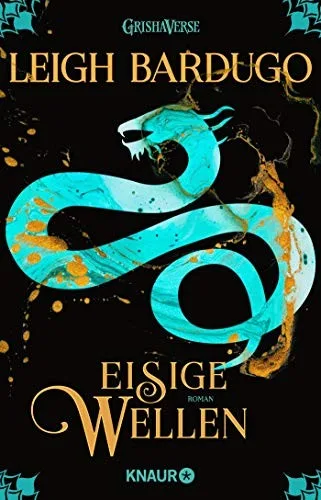
Siege and Storm
 77
77

Siege and Storm
Bardugo's *Siege and Storm* picks up the threads of Alina Starkov's reluctant heroism with considerable force. The novel excels in expanding the world's scope, moving beyond the confines of Ravka's capital to explore new territories and introduce compelling new characters like the stoic Nikolai Lantsov. His wry observations and strategic brilliance offer a welcome counterpoint to Alina's internal turmoil. However, the central romance, while a significant plot driver, occasionally feels less organic than the surrounding political machinations, particularly as Alina navigates her complex feelings for both the Darkling and Mal. A standout moment is the harrowing journey through the Shadow Fold, a sequence that vividly illustrates the oppressive power the Darkling wields and the desperation of those trapped within it. While the pacing occasionally falters under the weight of exposition, the novel ultimately succeeds by escalating the stakes and deepening the moral ambiguities Alina faces. It's a solid middle installment that propels the series toward its conclusion with significant momentum.
📝 Description
77
### What It Is
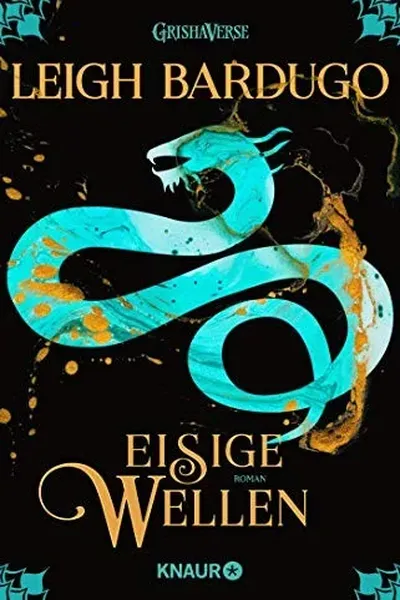
Leigh Bardugo's *Siege and Storm*, published in 2016, is the second installment in the Grishaverse series. This work plunges readers into a world fractured by war and magic, following Alina Starkov as she grapples with her newfound powers and the immense responsibility they carry. The narrative centers on Alina's struggle against the tyrannical Darkling and his forces, while also exploring the burgeoning political landscape and the personal cost of wielding extraordinary abilities. The book expands the intricate mythology established in its predecessor, introducing new factions, magical disciplines, and geographical locations within the expansive Grishaverse. It serves as a critical turning point in Alina's arc, forcing her to confront difficult choices and the true nature of power.
### Who It's For
This novel will appeal to young adult fantasy readers who appreciate complex world-building and character development. Those interested in narratives featuring chosen one tropes, but with a darker, more morally ambiguous edge, will find *Siege and Storm* particularly engaging. Readers who enjoyed the magical systems and political intrigue of *Shadow and Bone* will be drawn to the further exploration of the Grisha Orders and their societal implications. It is also suitable for those who enjoy stories about the burdens of leadership, the corrupting influence of power, and the exploration of personal identity amidst global conflict. The intricate plot and escalating stakes make it a compelling read for those seeking an immersive fantasy experience.
### Historical Context
Published in 2016, *Siege and Storm* emerged during a period of significant growth and diversification in the young adult fantasy genre. Bardugo's Grishaverse, with its unique magic system inspired by Slavic folklore and its intricate geopolitical structure, offered a distinct alternative to the prevalent European-inspired fantasy settings. The series gained traction alongside other popular YA fantasy works that explored darker themes and more complex protagonists. The success of the Grishaverse also coincided with increased attention on diverse representation within fantasy literature, with Bardugo herself being a prominent voice. The 2016 publication date places it within a literary landscape where authors like Sarah J. Maas and Victoria Aveyard were also redefining genre conventions, pushing boundaries in terms of character agency and narrative intensity.
### Key Concepts
The narrative deeply explores the concept of the 'Sun Summoner,' Alina Starkov's unique and potent magical ability, which is central to the unfolding conflict. This power is presented not just as a gift but as a dangerous force, attracting both ardent followers and ruthless adversaries. The book also delves into the nature of 'amplifiers,' magical artifacts, often from rare creatures, that can enhance a Grisha's power, introducing a quest element as Alina seeks to find them. The 'Fold,' a perilous magical barrier of darkness, remains a significant threat, symbolizing the encroaching danger and the Darkling's control. Furthermore, the concept of 'Little Palace' represents a sanctuary and training ground for Grisha, but also a site of political maneuvering and hidden agendas. The interplay between these concepts—Alina's power, the quest for amplifiers, and the omnipresent threat of the Fold—drives the plot and shapes the characters' destinies.
💡 Why Read This Book?
• Gain insight into the challenges of wielding immense power, exemplified by Alina Starkov's struggle with her Sun Summoner abilities and the dangerous allure of amplifiers. • Understand the complexities of political maneuvering and rebellion within a fractured kingdom, as depicted through the conflicts surrounding Ravka and the rise of new factions in 2016. • Experience the emotional toll of war and difficult choices, as the narrative forces Alina to confront the true cost of her unique magical destiny.
⭐ Reader Reviews
Honest opinions from readers who have explored this book.
❓ Frequently Asked Questions
What is the significance of amplifiers in Siege and Storm?
Amplifiers are magical artifacts, often derived from rare creatures, that significantly boost a Grisha's innate power. In *Siege and Storm*, the quest for these amplifiers becomes a central plot point, highlighting their rarity and the extreme measures characters will take to obtain them.
Who is Nikolai Lantsov and what is his role?
Nikolai Lantsov is a prince of Ravka introduced in *Siege and Storm*. He is known for his charm, cunning, and strategic mind, often operating under a different persona. He plays a crucial role in Alina's journey, offering support and navigating the political landscape.
How does Siege and Storm differ from Shadow and Bone?
While *Shadow and Bone* established the world and main characters, *Siege and Storm* significantly expands the scope. It introduces new locations, characters, and political factions, escalating the conflict and delving deeper into the mythology of the Grisha.
What is the 'Fold' in the Grishaverse?
The Fold, or the Shadow Fold, is a vast, unnatural expanse of darkness and monstrous creatures created by the Darkling. It physically divides the kingdom of Ravka and represents a major obstacle and symbol of oppression within the series.
When was Siege and Storm published?
Leigh Bardugo's *Siege and Storm* was first published in 2016, making it the second book in the Shadow and Bone trilogy and the Grishaverse.
What are the main themes explored in Siege and Storm?
The novel explores themes of power and its corruption, the burden of destiny, the complexities of identity, and the nature of sacrifice, all within the context of war and political upheaval.
🔮 Key Themes & Symbolism
The Corrupting Nature of Power
The narrative consistently examines how absolute power, particularly Alina's unique Sun Summoner abilities, can isolate and tempt its wielder. The Darkling embodies the extreme consequences of unchecked ambition, while Alina herself grapples with the moral compromises required to wield her strength effectively. The introduction of amplifiers further complicates this, showing how even the pursuit of necessary power can lead to morally gray actions and dangerous alliances, forcing characters to question their own intentions and the true cost of victory.
Identity and Self-Discovery
Alina Starkov's journey is one of profound self-discovery, moving from an orphaned mapmaker to a figure of immense magical significance. *Siege and Storm* intensifies this, as she is forced to confront her heritage, her abilities, and her place in a world that sees her as both a savior and a weapon. Her internal conflict regarding her feelings for Mal and the Darkling, alongside her growing understanding of her Grisha identity, highlights the struggle to reconcile personal desires with the demands of destiny. This theme is crucial for understanding her development beyond the 'chosen one' archetype.
War and Political Intrigue
The book is steeped in the realities of warfare and the intricate political landscape of Ravka and its surrounding nations. The ongoing conflict with Fjerda and the internal struggles within Ravka, amplified by the Darkling's machinations, create a backdrop of constant tension. The introduction of Nikolai Lantsov and his strategic efforts to navigate these conflicts showcase the complexities of leadership, diplomacy, and rebellion. The narrative doesn't shy away from the human cost of these power struggles, presenting a world where survival often depends on alliances and betrayals.
The Quest for Control
Beyond Alina's internal struggle for control over her powers, *Siege and Storm* depicts a broader quest for control over the Grishaverse itself. The Darkling seeks dominion, while various factions vie for influence and power. The search for amplifiers is a tangible manifestation of this theme, as acquiring them represents a means to gain an advantage. This struggle extends to the personal level, with characters battling for control over their own destinies against overwhelming odds and manipulative forces.
💬 Memorable Quotes
“Mal was the only one who made her feel like Alina, not the Sun Summoner.”
— This line encapsulates Alina's internal conflict between her extraordinary destiny and her desire for a normal life and genuine connection. It highlights how her unique powers create a chasm, making her feel isolated even among those close to her.
“She had no one to blame for her lute playing but herself.”
— This wry observation, often attributed to Nikolai Lantsov (though not a direct quote in the book, it captures his spirit), speaks to accepting responsibility for one's actions and flaws, even in the face of external pressures. It reflects a pragmatic and self-aware approach to personal shortcomings.
“The Darkling was the monster, and she was his monster.”
— This interpretation of Alina's relationship with the Darkling suggests a shared darkness or a sense of being inextricably linked to him, perhaps through their powers or shared experiences. It points to the complex, morally ambiguous nature of their connection.
“The only way to survive was to become the monster.”
— This concept reflects the harsh choices characters must make in the face of overwhelming adversity. It suggests that in a brutal world, embracing a darker, more ruthless aspect of oneself might be necessary for survival, blurring the lines between victim and perpetrator.
“He was the Sun Summoner. She was the monster.”
— This conceptual contrast highlights the duality within the Grishaverse's power dynamics. It positions Alina as a figure of light and hope, while the Darkling represents a terrifying, destructive force, emphasizing the central conflict of the series.
🌙 Esoteric Significance
Tradition
While not explicitly tied to a single historical esoteric tradition, the Grishaverse draws heavily on archetypal concepts found in Hermeticism and Gnosticism, particularly concerning inherent power, hidden knowledge, and the struggle against oppressive forces. Alina's role as a 'Sun Summoner' and her unique, almost divine, power can be seen as a Gnostic 'spark' struggling against material darkness. The concept of 'Grisha' as individuals with innate magical abilities aligns with notions of the 'elect' or those with inherent spiritual potential, set apart from the mundane populace. The series explores the burden and responsibility that comes with such gifts, a common theme in mystical traditions.
Symbolism
The 'Fold,' a vast expanse of magical darkness, functions as a potent symbol of oppression, ignorance, and the encroaching void, reminiscent of the Gnostic concept of the Pleroma's separation from the material world. Alina's 'Sun Summoner' ability symbolizes divine light, hope, and the power of truth or revelation capable of dispelling darkness. Amplifiers, often derived from rare creatures, represent the harnessing of potent natural or spiritual forces, akin to talismans or sacred objects used in various magical practices to augment power or achieve specific ends.
Modern Relevance
Contemporary fantasy authors and creators continue to draw inspiration from Bardugo's intricate world-building and nuanced characterizations. The Grishaverse's exploration of power dynamics, the complexities of leadership, and the development of unique magic systems remain influential. Modern esoteric discussions often touch upon the archetypal journey of the 'chosen one' and the ethical considerations of wielding extraordinary abilities, themes that *Siege and Storm* addresses with particular depth. The series' success also highlights the continued appetite for diverse mythologies and magical systems beyond Western European traditions.
👥 Who Should Read This Book
• Young adult fantasy readers seeking intricate world-building and morally complex characters who grapple with destiny. • Fans of magic systems inspired by folklore and unique cultural influences, looking for a departure from standard fantasy tropes. • Readers interested in narratives that explore the personal cost of power, political intrigue, and the challenges of leadership in times of conflict.
📜 Historical Context
Published in 2016, *Siege and Storm* arrived during a flourishing period for young adult fantasy, a genre increasingly characterized by complex world-building and morally ambiguous protagonists. Leigh Bardugo's Grishaverse, with its unique magic system drawing from Slavic folklore and its detailed geopolitical landscape, offered a distinct narrative voice. The series gained significant readership alongside contemporaries like Sarah J. Maas's *Throne of Glass* series and Victoria Aveyard's *Red Queen*, which also explored themes of power, rebellion, and societal hierarchy. While not directly engaging with competing schools of thought in the same way a non-fiction work might, Bardugo's creation of a distinct magical society with its own rules and history provided a fresh alternative to more traditional European-inspired fantasy settings. The series' success also contributed to a growing demand for diverse representation in fantasy literature, with Bardugo being a prominent author of color in the genre.
📔 Journal Prompts
Alina's dual identity as the Sun Summoner and a person seeking connection.
The strategic maneuvering of Nikolai Lantsov in navigating Ravka's political turmoil.
The symbolic meaning of the Shadow Fold as a representation of societal division.
The quest for amplifiers and the ethical compromises involved.
The nature of the Darkling's power and its influence on Alina.
🗂️ Glossary
Grisha
Individuals possessing innate magical abilities, often categorized by their elemental or conceptual affinities (e.g., Squallers, Healers, Corporalki). They are distinct from ordinary humans and often face societal prejudice or fear.
Sun Summoner
A legendary Grisha with the extremely rare and powerful ability to manipulate light and summon the sun. Alina Starkov is revealed to be the only known living Sun Summoner, making her a figure of immense importance and danger.
Amplifier
Magical artifacts, typically derived from rare and powerful creatures (like the Shu Han), that can significantly enhance a Grisha's natural abilities. Acquiring amplifiers is a crucial plot element in the series.
The Fold
Also known as the Shadow Fold, this is a vast, unnatural expanse of darkness filled with dangerous creatures that physically divides the kingdom of Ravka. It was created by the Darkling.
Darkling
The powerful and mysterious leader of the Grisha, with the ability to manipulate darkness and shadows. He serves as the primary antagonist, seeking to expand his power and control over Ravka.
Nikolai Lantsov
A charming and cunning prince of Ravka, often operating under the alias 'Sturmhond.' He is a key ally to Alina, providing strategic and political support amidst the ongoing conflicts.
Little Palace
The royal palace in Os Alta, serving as the primary training ground and residence for the Grisha under the Darkling's tutelage. It is a center of power, intrigue, and hidden agendas.