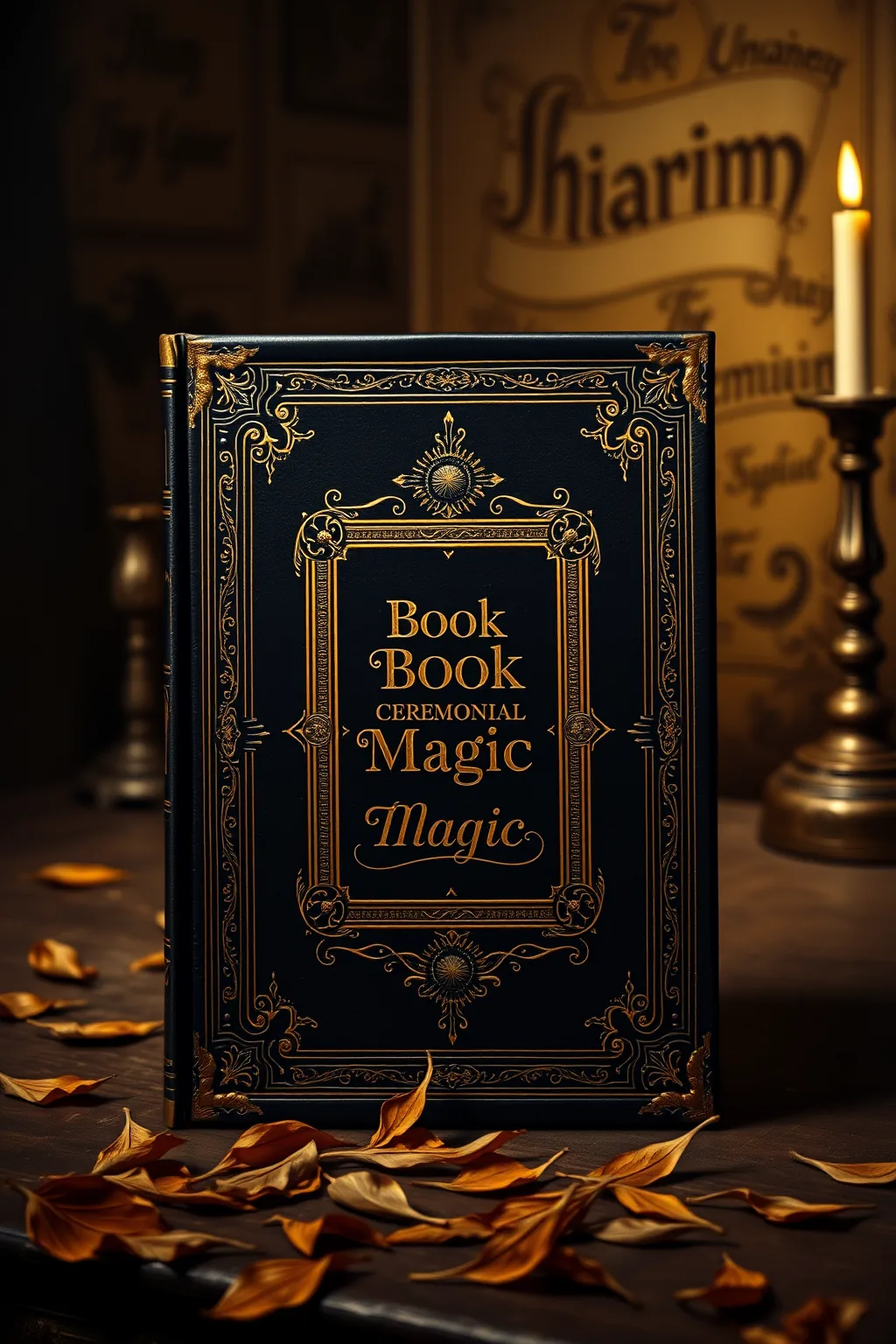
Book of Ceremonial Magic by Arthur Edward Waite
 62
62

Book of Ceremonial Magic by Arthur Edward Waite

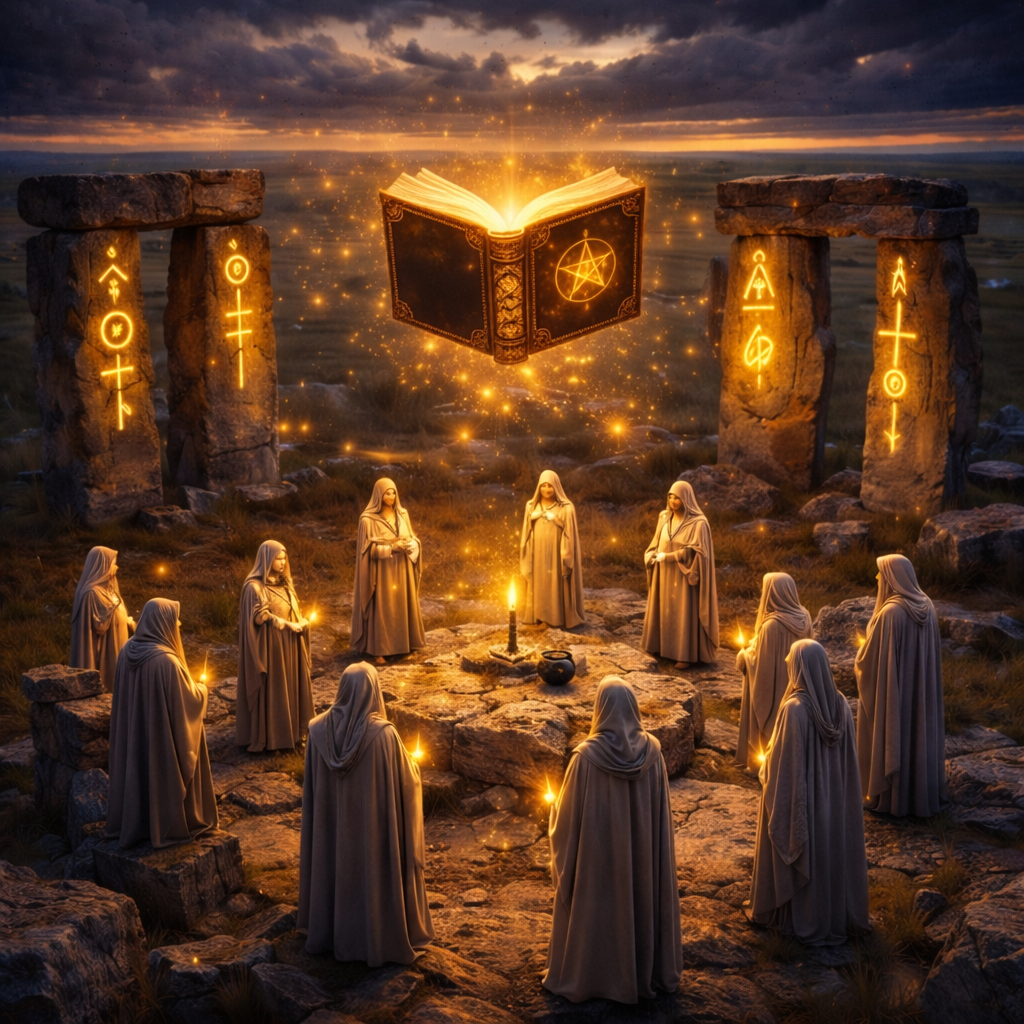

Arthur Edward Waite's "Book of Ceremonial Magic" stands as a monumental pillar in the edifice of occult literature. Untamed Arcane has delivered a meticulously curated edition that honors Waite's scholarly rigor and profound esoteric insights. This is not merely a historical document but a living testament to the enduring power of ritual. The book excels in its detailed exposition of complex magical systems, offering clarity where others sow confusion. It is an essential acquisition for serious students of Western esotericism, ceremonial practitioners, and scholars seeking to understand the historical and philosophical currents of magical practice. Its depth and breadth are unparalleled.
📝 Description
62
Arthur Edward Waite published "The Book of Ceremonial Magic" in 1911, detailing ancient magical practices.
Arthur Edward Waite's "The Book of Ceremonial Magic," published in 1911, reconstructs the historical practice of ceremonial magic. It details the necessary preparations, such as the construction of ritual circles and the consecration of tools. The book covers various classes of spirits, both celestial and infernal, and the methods for their invocation. Waite analyzes the symbolism and philosophical underpinnings of these rites, aiming to provide a clear understanding of magical operations as they were understood in earlier traditions.
The text addresses the principles behind magical diagrams, the significance of divine names, and the proper conduct for the magician. It presents a systematic approach to ceremonial magic, drawing from a range of historical sources. The goal is to illuminate the structure and intent of these complex rituals for the serious student.
This book belongs to the Western esoteric tradition, specifically focusing on ceremonial magic as it evolved through grimoires and occult revivals. Waite, a prominent figure in early 20th-century occultism, sought to codify and explain these practices, distinguishing them from mere superstition. He presented ceremonial magic as a system with its own logic and intended effects, often rooted in earlier Kabbalistic and Hermetic thought. The work reflects a scholarly interest in the history and theory of ritual magic.
💡 Why Read This Book?
Unveil the secrets of potent ritual and divine communion. This book is essential for seekers of hidden knowledge, occult scholars, and aspiring practitioners of ceremonial magic. Explore ancient techniques, understand symbolic language, and unlock profound spiritual insights that can transform your understanding of reality. It is a direct conduit to the heart of Western esotericism.
⭐ Reader Reviews
Honest opinions from readers who have explored this book.
❓ Frequently Asked Questions
What is ceremonial magic?
Ceremonial magic is a structured and often elaborate form of magic that involves precise rituals, incantations, symbolic gestures, and the invocation of spiritual entities to achieve specific aims, often for spiritual growth or transformation.
Is this book suitable for beginners?
While comprehensive, the book's depth and specialized terminology make it more suited for those with a foundational interest in esotericism or a serious dedication to learning. Beginners may find it beneficial to supplement with introductory texts.
What kind of rituals are described?
The book details a wide array of rituals, including those for protection, invocation of angelic and elemental forces, divination, and rites associated with various occult traditions and historical periods.
Does it require specific tools or materials?
Many rituals described involve specific tools such as wands, swords, pentacles, and ceremonial robes, as well as the creation of sacred spaces and the use of symbolic diagrams.
What is the philosophical basis of ceremonial magic presented here?
Waite presents ceremonial magic as a profound spiritual discipline aimed at achieving union with the divine, understanding cosmic laws, and effecting transformation through the conscious manipulation of symbolic forces.
🔮 Key Themes & Symbolism
The Architecture of Ritual Space
This theme explores the meticulous creation of sacred space as a fundamental element of ceremonial magic. It explores the symbolic significance of the magic circle, its construction, consecration, and protective qualities. Understanding the spatial dynamics of ritual is presented as crucial for establishing a bridge between the mundane and the divine, allowing for focused intent and the safe channeling of arcane energies.
The Language of Symbolism and Invocation
Waite illuminates the profound role of symbolism in magical operations, from the sigils and correspondences used in talismans to the divine names and angelic hierarchies invoked. The power of precise language and intention in incantations is emphasized, revealing how words act as keys to unlock hidden potentials and communicate with unseen intelligences. This theme underscores the idea that magic is a deeply symbolic science.
The Nature of theurgy and the Great Work
Central to Waite's exposition is the concept of theurgy – the art of divine work – and its connection to the Great Work of spiritual transformation. The book elucidates how ceremonial magic serves as a path towards self-realization, purification, and the attainment of higher consciousness, moving beyond mere manipulation of external forces to a profound inner alchemy.
💬 Memorable Quotes
Direct passages from the work, attributed to the author.
“The circle is the consecrated battlefield of the magician.”
— This evocative phrase emphasizes the active and often challenging nature of magical work, portraying the sacred circle not just as a passive boundary but as a dynamic space where the magician confronts and directs spiritual forces.
“Invocation is the art of drawing down the divine.”
— This defines invocation as a core practice in ceremonial magic, focusing on the act of connecting with and manifesting higher spiritual powers or consciousness within oneself or one's ritual space.
“Imagination is the vestibule of the Will.”
— This poignant statement links the creative power of imagination to the focused intent of the Will, suggesting that a well-directed imagination is essential for the effective execution of magical intentions.
“The signs and symbols are the language of the soul.”
— This emphasizes the universal and intuitive nature of symbolism in esoteric traditions, asserting that these visual and conceptual elements communicate directly with the deeper aspects of human consciousness.
💡 Key Ideas
Editorial paraphrase of the work's core concepts — not direct quotes.
The ritual is the skeleton of the magical operation.
This quote highlights the foundational importance of structure and form in magic, suggesting that the precise arrangement of actions and symbols provides the necessary framework for psychic and spiritual energies to manifest.
🌙 Esoteric Significance
Tradition
This work is deeply rooted in the Western Esoteric Tradition, drawing heavily from Hermeticism, Kabbalah, Rosicrucianism, and the study of grimoires. It aims to synthesize and illuminate the principles underlying these diverse streams of occult thought, presenting ceremonial magic as a unified path towards spiritual attainment and understanding of cosmic order.
Symbolism
The book is replete with strong symbolism, including the geometric patterns of the magic circle, the specific correspondences of planets, elements, and divine names, and the iconography of angels and demons. These symbols are not mere decorations but potent tools and keys that unlock specific energies and intelligences, forming a complex symbolic language for interacting with the unseen realms.
Modern Relevance
Despite its historical origins, 'Book of Ceremonial Magic' remains profoundly relevant. In an age seeking deeper meaning and spiritual connection, its exploration of ritual, symbolism, and the power of focused intention offers a timeless framework for personal growth and exploration. It provides practitioners with a solid theoretical and practical foundation for engaging with the esoteric arts in a contemporary context.
👥 Who Should Read This Book
This key work is essential for serious students of Western esotericism, occult scholars, and dedicated practitioners of ceremonial magic. Beginners with a strong foundational interest in occult philosophy will find it an invaluable, albeit challenging, resource. Those seeking to understand the historical development and theoretical underpinnings of ritual magic, as well as those beginning their own Great Work, will discover useful insights within its pages. It is a book for the committed seeker, not the casual dabbler.
📜 Historical Context
Published in the early 20th century, "Book of Ceremonial Magic" emerges from a rich period of occult revival and scholarly interest in ancient traditions. The late Victorian and Edwardian eras saw a surge in societies dedicated to mysticism, spiritualism, and the study of forgotten lore, with figures like Waite himself being central to this movement. The book reflects a desire to codify and understand the diverse practices of magical traditions, from Hermeticism and Kabbalah to grimoires and folk magic. It stands as a bridge between older, often fragmented, magical texts and a more systematic, intellectual approach to the occult, influenced by the burgeoning field of comparative religion and anthropology.
📔 Journal Prompts
Reflect on the concept of the magic circle as a 'consecrated battlefield.' What inner 'battles' does your personal spiritual path entail?
Waite emphasizes the power of precise language in invocation. Write a short invocation for a desired quality or state of being, focusing on precise wording.
Consider the role of symbolism in your life. How can you consciously integrate symbolic meaning into your daily routines or intentions?
Explore the 'Great Work' as described by Waite. What does spiritual transformation mean to you, and what are the initial steps you can take towards it?
How does the idea of 'drawing down the divine' resonate with your personal spiritual beliefs or practices?
🗂️ Glossary
Theurgy
A system of magical rites and rituals aimed at invoking divine beings or powers, often for the purpose of spiritual purification, enlightenment, and union with the divine.
Grimoire
A textbook of magic, typically containing spells, rituals, and instructions for summoning spirits, often dating from the late Middle Ages to the 18th century.
Kabbalah
A complex system of Jewish mysticism that deals with the divine nature, the creation of the universe, and the spiritual significance of the Hebrew alphabet and scriptures.
Invocation
The act of calling upon a deity, spirit, or higher power, often through prayer or ritual, to manifest presence, grant aid, or bestow blessings.
Sigil
A magical symbol, often a geometric design, created for a specific magical purpose, believed to embody and project the user's intent into the subtle realms.
This book appears in 3 collections
🔮 Readers Also Liked
Browse all →








From the “Ritual Magic” Collection
View all →








More Free Magic & Ritual Books
View all →