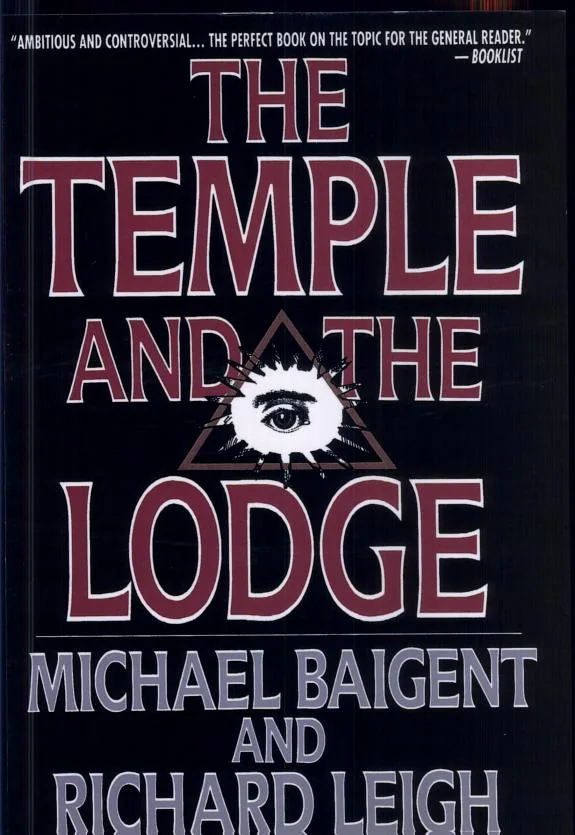
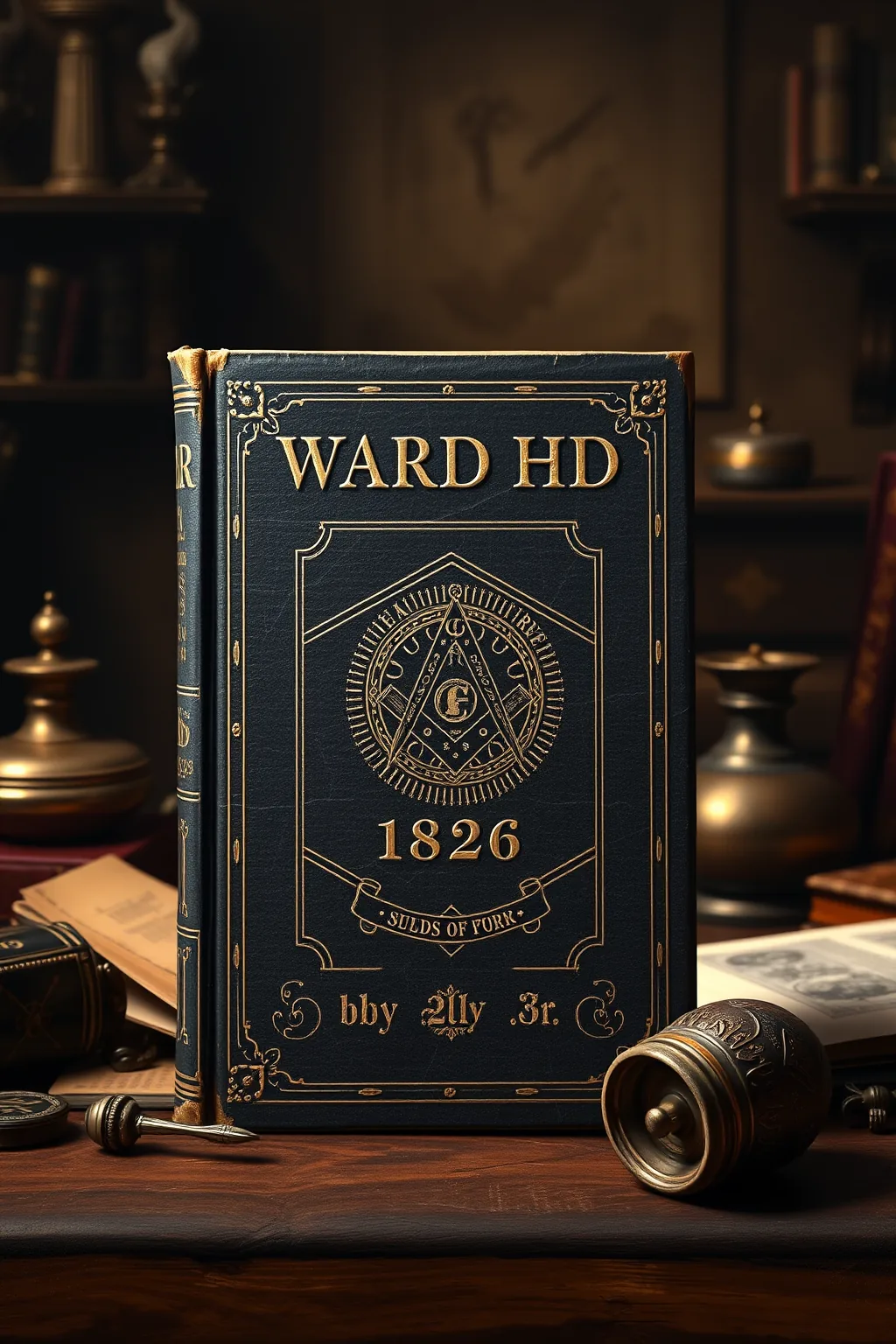
Ward HD The Antimasonic Review & Monthly Mag 1826
 84
84

Ward HD The Antimasonic Review & Monthly Mag 1826


Balthazar Finch (Senior Critic, Occult Philosophy) — 'The Antimasonic Review' of 1826 is a remarkable, if somewhat polemical, window into the esoteric anxieties of its age. The anonymous author masterfully weaves a narrative of suspicion and veiled influence, particularly concerning Freemasonry. While its tone is undoubtedly critical, the Review offers a fascinating glimpse into the symbolic language and perceived power structures of secret societies. Its strength lies in its detailed, though biased, examination of alleged rituals and organizational tenets. This work is essential for scholars of occult history and those interested in the socio-political impact of clandestine organizations. It compels readers to question the nature of visible authority and hidden governance.
📝 Description
84
Published in 1826, Ward HD's Antimasonic Review explored anxieties surrounding Freemasonry.
This 1826 periodical, written by an anonymous author, addresses contemporary fears and suspicions surrounding Freemasonry. The publication examines the perceived hidden operations and influence of the Masonic fraternity during a period of public apprehension. It discusses organized secrecy, its impact on society, and the unseen forces believed to shape human events.
The Review invites readers into a world where symbols carry significant weight and the pursuit of knowledge follows unconventional routes. It offers a detailed look at the concerns and questions of an era that considered both the visible and invisible structures of power. The text prompts reflection on trust, loyalty, and the subtle ways influence is exerted.
This review belongs to a tradition of critical examination of secret societies, often found on the fringes of mainstream thought. Such critiques frequently intersected with broader esoteric interests in hidden knowledge, symbolic language, and perceived conspiracies. The Antimasonic movement itself, while often political, drew from an undercurrent of suspicion regarding hidden structures that mirrored esoteric concerns about concealed truths and power dynamics.
💡 Why Read This Book?
Uncover the historical underpinnings of anti-Masonic sentiment and its connection to esoteric thought. Explore early critiques of secret societies, revealing veiled societal anxieties and the search for hidden knowledge. Ideal for occult historians, seekers of arcane lore, and practitioners interested in the societal perception of esoteric groups.
⭐ Reader Reviews
Honest opinions from readers who have explored this book.
❓ Frequently Asked Questions
Who is the author of 'Ward HD: The Antimasonic Review & Monthly Mag 1826'?
The author is listed as 'Unknown.' This anonymity adds to the mystique, suggesting a collective or pseudonymous effort to disseminate antimasonic views during the period.
What is the main focus of this publication?
The primary focus is a critical examination and exposé of Freemasonry, delving into its perceived secret rituals, hierarchical structures, and societal influence.
Is this book suitable for beginners in occult studies?
While not a direct instructional text, it offers valuable historical context for understanding societal reactions to esoteric groups, making it insightful for advanced beginners and scholars.
Does the publication provide actual evidence of Masonic secrets?
The Review presents arguments and alleged accounts based on the author's perspective and the prevailing antimasonic sentiment of the time, rather than verifiable, neutral evidence.
What historical period does this publication reflect?
It reflects the early 19th century, specifically 1826, a period marked by significant social and political change, and heightened suspicion towards secret societies.
🔮 Key Themes & Symbolism
The Shadow of Secrecy
This theme explores the inherent human fascination with and suspicion of clandestine organizations. The text looks at the perceived opacity of Freemasonry, framing it as a powerful entity operating behind a veil of secrecy, influencing societal structures and individual destinies from the shadows. It examines how the unknown breeds apprehension and how such organizations, by their very nature, invite speculation about hidden agendas and concealed knowledge.
Symbolism and Allegory in Power
The Review dissects the symbolic language allegedly employed by Freemasonry, interpreting its signs and rituals as conduits of power and esoteric instruction. It posits that these symbols are not mere decorative elements but are imbued with potent meaning, shaping the consciousness of initiates and projecting influence outwards. This theme highlights the perceived danger of a system that communicates and governs through a hidden lexicon accessible only to the initiated.
Societal Control and Influence
A central tenet is the examination of how secret societies, particularly Freemasonry, are perceived to exert control over societal institutions, political discourse, and moral frameworks. The text argues that membership grants undue influence and that the brotherhood fosters a system of mutual protection and advancement that undermines democratic principles and open governance. It questions the ethical implications of power concentrated within exclusive, undisclosed circles.
💬 Memorable Quotes
Direct passages from the work, attributed to the author.
“Symbols are the silent architects of empires.”
— This emphasizes the profound, subtle power of symbolism to shape societies and establish dominance, often without overt force.
“Trust is a fragile currency in the area of the unseen.”
— This speaks to the inherent difficulty and risk in placing faith in organizations or individuals whose motives and actions are not fully transparent.
“The uninitiated walk in the twilight of imposed truths.”
— This poignant observation suggests that those outside secret societies are often unknowingly guided by narratives and beliefs shaped by those within.
“Every cipher holds a key to dominion.”
— This highlights the belief that understanding hidden codes and secret knowledge is directly linked to achieving power and control.
💡 Key Ideas
Editorial paraphrase of the work's core concepts — not direct quotes.
The lodge room is a crucible of hidden influence.
This quote suggests that the secret meeting places of Freemasons are not just social gatherings but sites where significant, unseen power is forged and manipulated.
🌙 Esoteric Significance
Tradition
While primarily an antimasonic critique, the Review engages with the perceived esoteric nature of Freemasonry, touching upon themes common in Rosicrucianism, Hermeticism, and speculative Masonry itself. It highlights how secret societies often draw upon ancient wisdom traditions, symbolic language, and ritualistic practices to impart their teachings and reinforce their structures, framing these elements as potentially manipulative.
Symbolism
The publication is deeply concerned with the symbolic language of Freemasonry. It interprets various symbols (e.g., compass, square, eye) not just as masonic markers but as carriers of hidden meaning, allegorical representations of cosmic principles, moral instruction, or even instruments of social control, suggesting a rich, if contested, symbolic universe.
Modern Relevance
The themes of secrecy, societal influence, and the power of hidden knowledge remain highly relevant. In an age of digital information, data control, and the rise of online communities with their own codes and hierarchies, the concerns raised in this 1826 review about transparency, accountability, and the potential for covert influence resonate powerfully.
👥 Who Should Read This Book
This volume is essential for occult historians and scholars of secret societies seeking primary source material on early antimasonic discourse. Esoteric practitioners interested in the historical perception of Masonic rituals and symbolism will find it clear. Seekers of hidden knowledge and those fascinated by the power dynamics of clandestine organizations will appreciate its deep dive into the anxieties of the era. Even casual readers interested in the social history of the United States and the evolution of public opinion on influential groups will find valuable insights.
📜 Historical Context
Published in 1826, 'Ward HD: The Antimasonic Review & Monthly Magazine' emerges from a period of intense social and political ferment in the United States. The early 19th century was characterized by burgeoning democratic ideals, religious awakenings, and a deep-seated suspicion of established institutions, including secret societies like Freemasonry. The Morgan Affair, a key event that would later ignite widespread antimasonic fervor, was on the horizon, and anxieties about clandestine influence, oaths of secrecy, and potential corruption were palpable. This publication reflects a specific ideological current within that broader context, capturing the intellectual climate where secret knowledge was both feared and sought after, and where the boundaries between legitimate association and dangerous conspiracy were hotly debated.
📔 Journal Prompts
How does the author's perspective on Freemasonry reflect broader societal fears of the early 19th century?
Analyze the use of symbolism in the text. What hidden meanings are attributed to Masonic symbols, and what is the intended effect on the reader?
Consider the concept of 'hidden influence.' How might this apply to modern organizations or online communities?
If you were an initiate in the early 19th century, how might you respond to the criticisms leveled in this publication?
What ethical considerations arise when discussing the balance between private association and public accountability?
🗂️ Glossary
Antimasonic
Opposed to Freemasonry; a movement and ideology that critically examined or actively campaigned against Masonic lodges and their influence.
Lodge
The meeting place or local chapter of a Masonic or other fraternal organization, often considered a space for ritual and fraternity.
Initiate
A person who has undergone the first degree or ritual of admission into a secret society or organization, signifying entry into its mysteries.
Esoteric
Intended for or likely to be understood by only a small number of people with a specialized knowledge or interest; inner, hidden.
Cipher
A secret or disguised way of writing; a code; also, a person or thing of no importance, often used in a dismissive or ironic sense.
This book appears in 2 collections
🔮 Readers Also Liked
Browse all →






From the “Secret Societies” Collection
View all →


More Free Freemasonry & Secret Societies Books
View all →