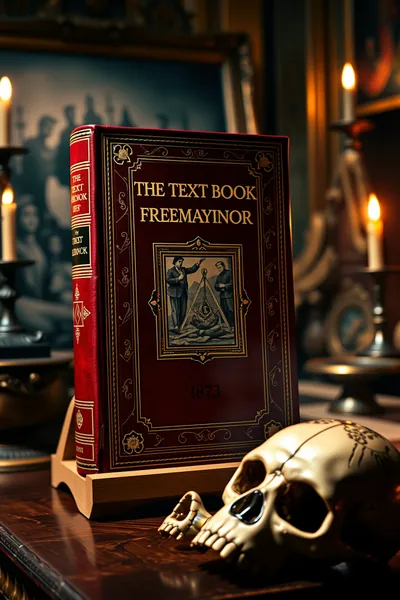
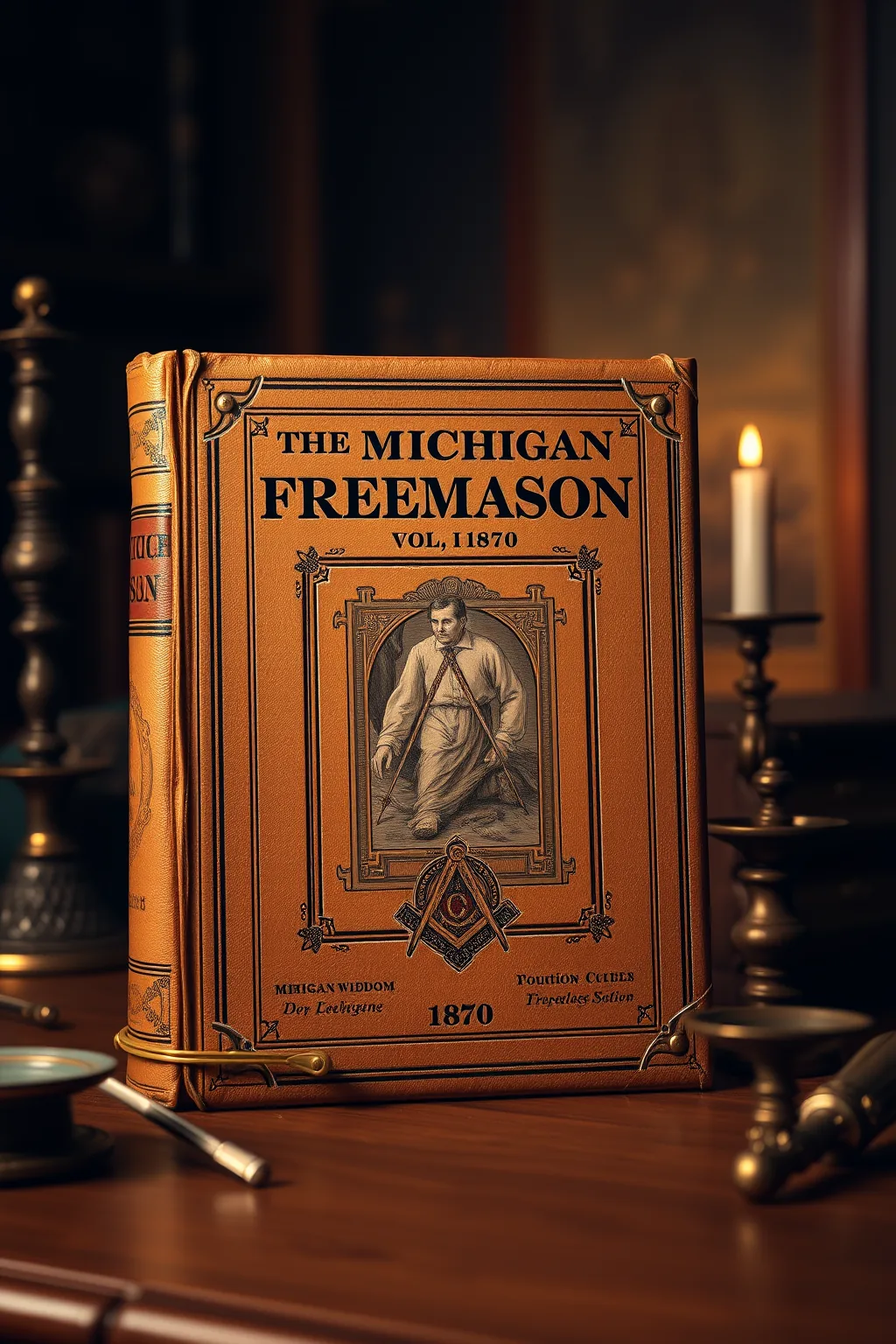
The Michigan Freemason Vol I 1870
 82
82

The Michigan Freemason Vol I 1870

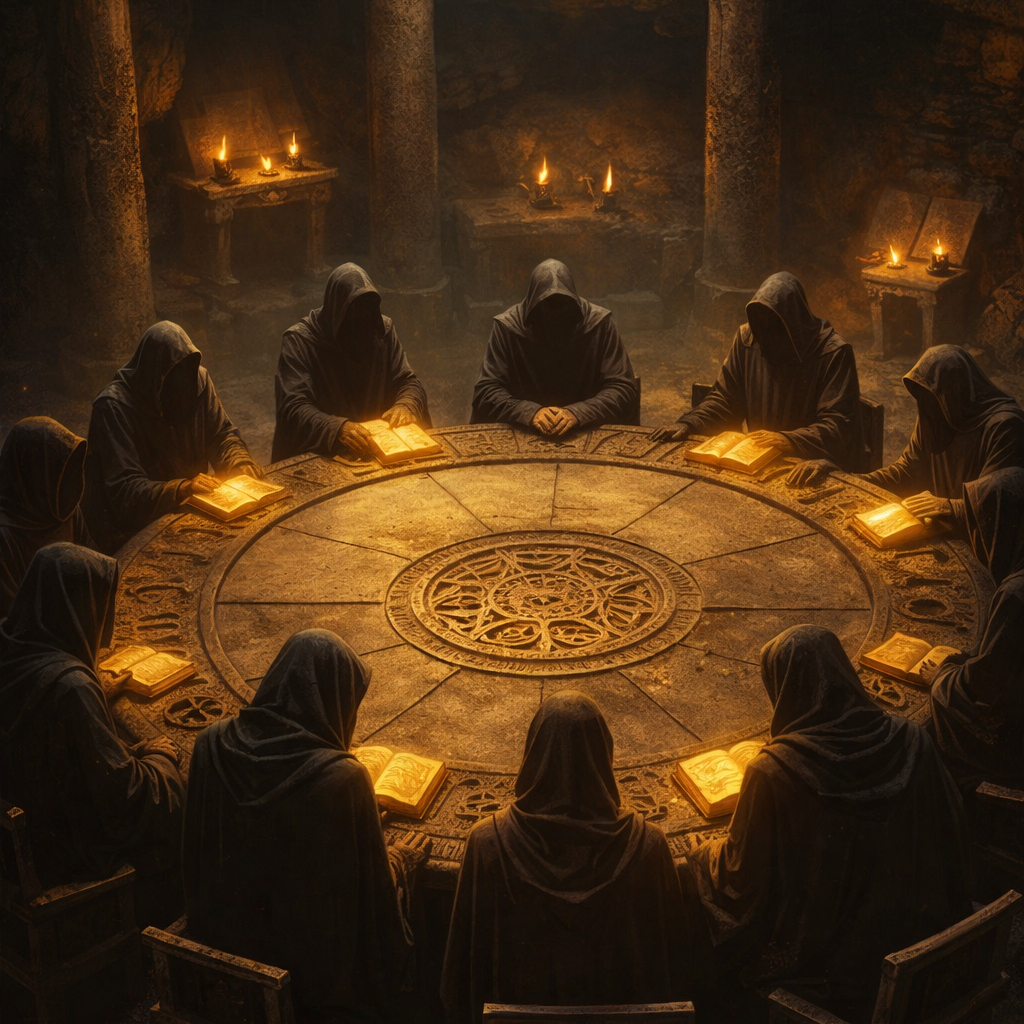

Celeste Moreau, Divination & Symbolism Reviewer — 'The Michigan Freemason Vol I, 1870' is an indispensable artifact for the serious student of fraternal esotericism. This volume offers an unvarnished look at the intellectual currents within Freemasonry during a pivotal era. Its strength lies in its direct engagement with foundational Masonic principles, revealing the symbolic depth and philosophical rigor intended for its readership. The essays herein are not mere historical accounts but conduits to understanding the symbolic archetypes and moral lessons that continue to resonate. It is a must-have for scholars of secret societies, practitioners seeking to deepen their understanding of Masonic symbolism, and anyone fascinated by the historical evolution of esoteric thought.
📝 Description
82
Published in 1870, 'The Michigan Freemason Vol I' presents early American Masonic thought.
This volume collects writings from 1870 concerning Freemasonry in Michigan. It addresses the philosophical ideas and symbolic systems that influenced Masonic beliefs during that period. Readers will find discussions on Masonic rituals, allegorical lessons, and the path toward moral and spiritual growth. The text reflects a serious approach to uncovering esoteric knowledge, aimed at those deeply interested in Masonic studies, researchers, and practitioners of Masonic rites.
It connects to a broader human desire for understanding hidden truths. This work functions as a way to access a significant philosophical history, showing the lasting impact of shared principles and the symbolic path to self improvement. The writings weave together Masonic philosophy as it developed in the American Midwest.
This collection emerges from the 19th-century American interest in fraternal organizations and their deeper meanings. Freemasonry, with its layered symbolism and allegorical narratives, was a significant part of this esoteric milieu. The writings within this volume reflect an attempt to articulate and preserve the philosophical and spiritual dimensions of the Craft, moving beyond mere social functions to engage with questions of personal transformation and universal truths.
💡 Why Read This Book?
This volume is essential for comprehending the historical evolution of Masonic philosophy and its esoteric dimensions. It offers direct access to the thought processes of early American Freemasons, revealing the symbolic language and moral teachings they held dear. Ideal for scholars of secret societies, practitioners seeking to deepen their understanding of ritual and symbolism, and seekers of hidden knowledge.
⭐ Reader Reviews
Honest opinions from readers who have explored this book.
❓ Frequently Asked Questions
What is the primary focus of 'The Michigan Freemason Vol I, 1870'?
The primary focus is the exploration of Masonic philosophy, ritual, symbolism, and moral teachings as understood and practiced in Michigan during 1870, offering insights into the esoteric underpinnings of the fraternity.
Is prior knowledge of Freemasonry required to understand this book?
While prior knowledge can enhance understanding, the volume is structured to introduce fundamental concepts. However, a genuine interest in esoteric traditions and symbolism is most crucial for full appreciation.
What kind of language and tone can be expected?
Expect formal, intellectual prose characteristic of 19th-century scholarly publications, imbued with a tone of serious contemplation and a dedication to revealing deeper, symbolic meanings.
Who is considered the intended audience for this volume?
The intended audience includes Freemasons seeking to deepen their understanding of their Order, scholars of esotericism and secret societies, and intellectually curious individuals interested in historical philosophical traditions.
Does this volume contain actual Masonic rituals?
While it discusses and interprets Masonic principles and allegories, it typically focuses on the philosophical and symbolic aspects rather than providing verbatim ritualistic texts, which are often kept private.
🔮 Key Themes & Symbolism
The Architecture of Enlightenment
This volume explores the symbolic construction of the Masonic temple, not as a physical edifice, but as a metaphor for the inner spiritual journey. It explores how architectural elements and geometric principles serve as keys to understanding moral virtues and the divine order. The text guides the reader through the allegorical representations of tools and structures, revealing their deeper meanings in the construction of character and the pursuit of higher knowledge, reflecting a profound connection between the material and the spiritual realms.
The Language of Symbols
Central to this work is the intricate exploration of Masonic symbolism. Articles dissect the meaning behind common emblems, gestures, and allegories, revealing them as a sophisticated language designed to convey profound philosophical and ethical truths. Readers will discover how these symbols act as mnemonic devices and conduits for transmitting esoteric wisdom across generations, encouraging contemplation and personal interpretation in the quest for self-discovery and spiritual growth.
The Moral and Spiritual Crucible
Beyond ritual and symbolism, 'The Michigan Freemason' emphasizes the transformative power of Masonic teachings on the individual's moral and spiritual development. It presents the fraternity as a crucible where character is refined, vices are purged, and virtues are cultivated. The texts highlight the pursuit of justice, truth, and brotherly love as essential components of a well-lived life, underscoring the practical application of esoteric principles in everyday existence.
💬 Memorable Quotes
Direct passages from the work, attributed to the author.
“Light follows the diligent seeker.”
— Emphasizes the Masonic belief that spiritual and intellectual illumination is a reward for persistent effort in the pursuit of knowledge and truth.
“Brotherhood is the foundation of a just society.”
— Highlights the core tenet of Freemasonry regarding the importance of unity, mutual support, and ethical conduct among members for societal well-being.
“The square teaches us to act uprightly.”
— Connects a fundamental Masonic symbol to the principle of moral integrity and the importance of living a life of rectitude and fairness.
“Seek within, and find the universal.”
— Suggests that true understanding and connection to the greater cosmos or divine can be achieved through introspection and self-awareness.
💡 Key Ideas
Editorial paraphrase of the work's core concepts — not direct quotes.
The trowel smooths the rough edges of our being.
This quote captures the Masonic ideal of self-improvement, likening the working tool to a metaphor for refining one's character and smoothing out flaws.
🌙 Esoteric Significance
Tradition
This volume is deeply rooted in the Western Esoteric Tradition, specifically within the framework of Hermeticism, Kabbalah, and Neoplatonism as interpreted through the lens of Masonic symbolism. It engages with concepts of divine geometry, the macrocosm/microcosm relationship, and the alchemical process of spiritual transformation, viewing Freemasonry as a system for unlocking hidden knowledge and achieving inner perfection.
Symbolism
The core of its esoteric significance lies in its detailed interpretation of Masonic symbols. These are not merely decorative but are presented as potent keys to understanding universal truths. Symbols such as the square, compasses, level, plumb line, and architectural elements are explored for their ethical, philosophical, and spiritual meanings, serving as a visual language for the Great Work of self-mastery and spiritual ascent.
Modern Relevance
In contemporary times, 'The Michigan Freemason Vol I' offers a vital connection to the historical roots of esoteric thought within fraternal orders. It provides students of occultism and Western esotericism with primary source material to understand the evolution of symbolic interpretation and philosophical inquiry. Its emphasis on moral development and the pursuit of wisdom remains relevant for individuals seeking structured paths to self-improvement and a deeper understanding of universal principles.
👥 Who Should Read This Book
This volume is a profound resource for several distinct groups. For the **novice seeker**, it offers an accessible yet deep introduction to the symbolic language and philosophical underpinnings of Freemasonry, sparking curiosity about esoteric traditions. **Scholars of history and religious studies** will find invaluable primary source material for understanding 19th-century American fraternalism and its intellectual currents. **Practitioners of esoteric arts**, including Masons and students of Hermeticism, will discover rich interpretations of symbols and allegories that can deepen their personal practice and understanding. **Philosophically inclined readers** will appreciate the timeless quest for truth, virtue, and self-knowledge articulated within its pages.
📜 Historical Context
Published in 1870, 'The Michigan Freemason Vol I' emerges from a period of significant growth and intellectual ferment within American Freemasonry. The mid-to-late 19th century saw the fraternity solidify its presence across the nation, with a strong emphasis on moral instruction, philosophical discourse, and the preservation of tradition. This era was characterized by a renewed interest in the symbolic and esoteric aspects of Masonry, as brethren sought to understand the deeper meanings behind their rituals and allegories. The volume reflects the Victorian fascination with progress, enlightenment, and the careful articulation of complex ideas through reasoned argument and symbolic illustration, positioning Freemasonry as a vital force for personal and societal betterment.
📔 Journal Prompts
Reflect on the 'trowel' as a metaphor for personal refinement. What aspects of yourself require 'smoothing'?
Consider the concept of 'light' as a reward for seeking. What forms does this 'light' take in your life?
How can the principle of 'brotherhood' be applied beyond formal organizations to foster a more just society?
Analyze the 'square' in your daily actions. Are you acting with integrity and uprightness?
Explore the idea of 'seeking within' to find universal truths. What inner discoveries have you made?
🗂️ Glossary
Allegory
A story, poem, or picture that can be interpreted to reveal a hidden meaning, typically a moral or political one. In Masonic context, it's a primary method of teaching.
Esotericism
Beliefs and practices that are reserved for or understood by a select group of initiates, often involving hidden knowledge, spiritual disciplines, and symbolic interpretation.
Symbolism
The use of symbols to represent ideas and qualities by giving them symbolic meanings that are different from their literal sense. Crucial in Masonic teachings.
Hermeticism
A philosophical and religious tradition based on writings attributed to Hermes Trismegistus, emphasizing spiritual enlightenment, the interconnectedness of all things, and the pursuit of hidden knowledge.
Virtue
Having or showing high moral standards. In Freemasonry, the cultivation of virtues like temperance, fortitude, prudence, and justice is central.
This book appears in 2 collections
🔮 Readers Also Liked
Browse all →






From the “Secret Societies” Collection
View all →





More Free Freemasonry & Secret Societies Books
View all →