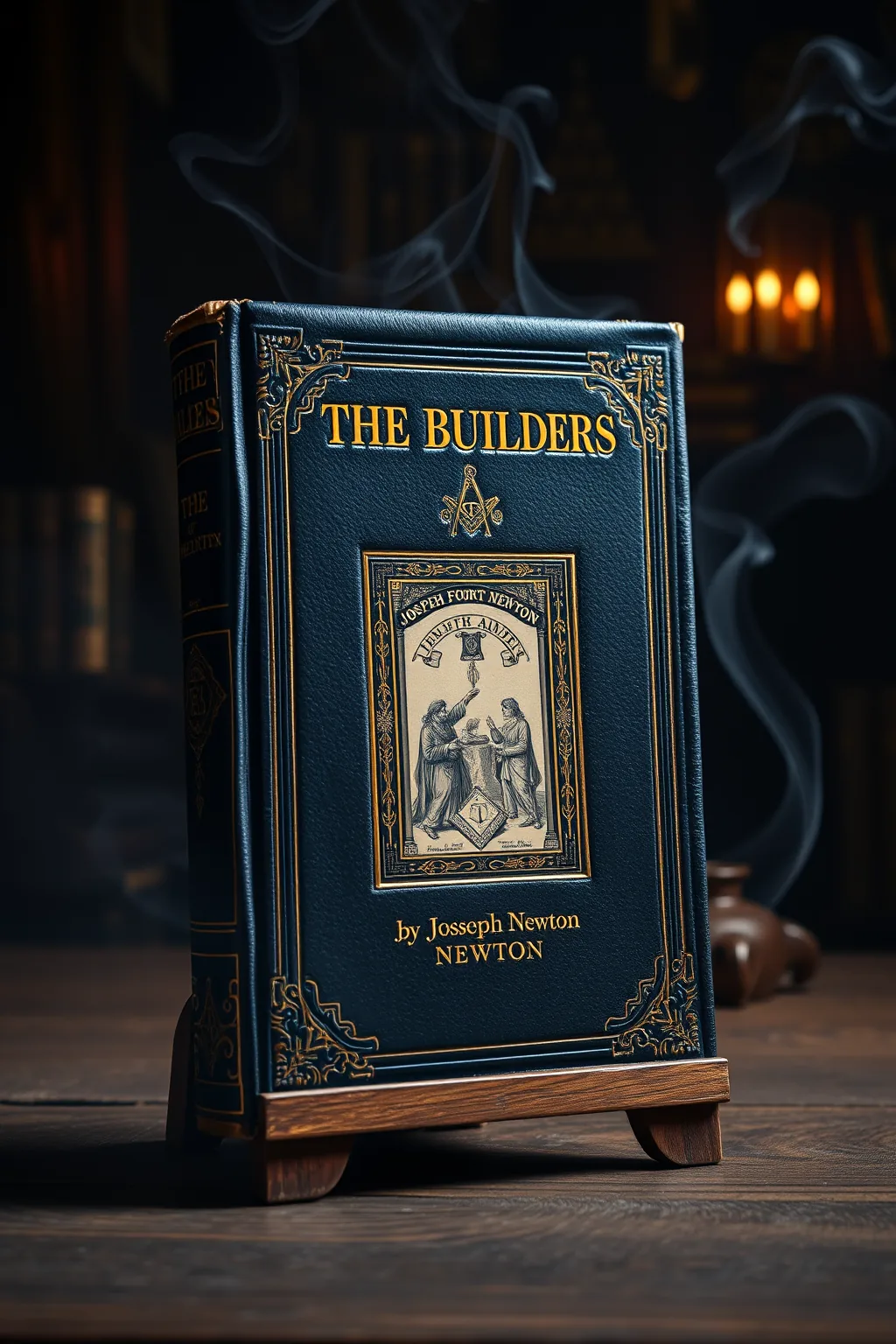
The Builders
 82
82

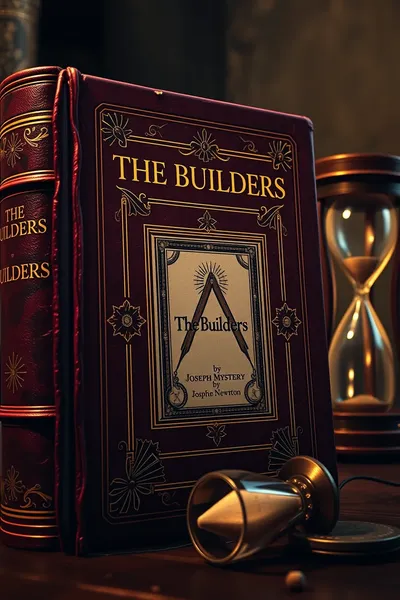
The Builders


Joseph Fort Newton's "The Builders" remains an unparalleled testament to the spiritual and philosophical underpinnings of Freemasonry. Published in 1914, it transcends mere historical exposition, offering a deeply interpretive and devotional lens through which to view the Craft's ancient wisdom. Newton's scholarly yet accessible prose illuminates the symbolic language and moral teachings, presenting Masonry as a profound ethical and spiritual discipline. This work is an invaluable resource for anyone seeking to understand the esoteric heart of the Fraternity, offering insights that resonate with seekers of truth and practitioners alike. A truly foundational text.
📝 Description
82
Joseph Fort Newton published "The Builders" in 1914, detailing Freemasonry's esoteric underpinnings.
Joseph Fort Newton's 1914 book, "The Builders," examines Freemasonry not just as a fraternity but as a philosophy. Newton traces the Craft's ancient roots, showing how its symbols and rituals connect to older traditions. He discusses the allegorical meanings of Masonic tools and ceremonies, suggesting they represent a path toward moral understanding. The book aims to illuminate the ethical principles and spiritual aspirations inherent in Masonic teachings. Newton's approach is reverent, encouraging readers to consider the moral structure of the self and the universal search for truth.
This work is intended for those interested in the symbolic and philosophical dimensions of Freemasonry. Newton presents Masonry as a system for personal growth and ethical development, inviting serious reflection on its deeper significance. It is a guide for the sincere seeker of what he terms hidden wisdom, focusing on the constructive aspects of spiritual and moral building.
Published in 1914, "The Builders" falls within a period of renewed interest in esoteric traditions and their connections to fraternal orders like Freemasonry. Newton engages with ideas linking Masonic symbolism to ancient mystery schools and Hermetic philosophy. The book treats Masonic degrees and rituals as allegorical representations of spiritual development, aligning with an esoteric view of initiation as a process of inner transformation. It situates Freemasonry within a broader current of Western esotericism that seeks moral and spiritual enlightenment through symbolic systems.
✍️ Author
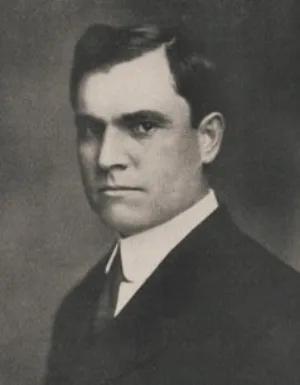
Joseph Fort Newton
Joseph Fort Newton (1880-1950) was an American Protestant minister and Masonic author.
Magician
💡 Why Read This Book?
Uncover the profound symbolic language and ancient roots of Freemasonry. "The Builders" offers a devotional exploration of its moral teachings and ethical ideals, ideal for seekers of hidden wisdom, students of comparative religion, and Freemasons desiring a deeper understanding of their Craft. It’s a journey into the philosophical architecture of self-improvement and universal brotherhood.
⭐ Reader Reviews
Honest opinions from readers who have explored this book.
❓ Frequently Asked Questions
What is the primary focus of "The Builders"?
The book focuses on the historical roots, rich symbolism, and profound moral and philosophical teachings of Freemasonry, presented as a path of spiritual and ethical development.
Is "The Builders" suitable for non-Masons?
Absolutely. While deeply rooted in Masonic lore, Newton's elegant prose and focus on universal ethical principles make it accessible and inspiring for anyone interested in philosophy, symbolism, and the pursuit of higher knowledge.
What makes Newton's approach unique?
Newton's approach is characterized by its devotional and interpretive tone, blending scholarly research with philosophical reflection. He emphasizes the spiritual and ethical dimensions over polemics, offering a reverent exploration of the Craft.
When was "The Builders" first published?
"The Builders" was first published in 1914, making it a foundational text in the modern literature of Freemasonry.
What kind of symbolism is explored in the book?
The book delves into the symbolism of the Craft's working tools, rites, and allegorical narratives, connecting them to ancient traditions and universal moral lessons.
🔮 Key Themes & Symbolism
The Architecture of the Soul
Newton posits Freemasonry as a spiritual discipline, akin to building a sacred temple within oneself. He uses the metaphor of architectural construction to illustrate the process of moral and spiritual refinement, emphasizing the cultivation of virtues and the pursuit of inner perfection. This theme highlights Masonry's role in shaping character and fostering a profound connection to higher principles.
Traces of Antiquity
The book traces the lineage of Masonic ideals through ancient civilizations and esoteric traditions. Newton reveals how the symbols and philosophical underpinnings of Freemasonry are not new inventions but rather ancient wisdom rediscovered and refined. This theme underscores the universality of the quest for truth and the enduring nature of spiritual knowledge across cultures and epochs.
The Ethical Imperative
Central to "The Builders" is the argument for Masonry's potent ethical and social ideals. Newton presents the Craft as a powerful force for good, advocating for brotherhood, charity, and the pursuit of truth. This theme emphasizes the practical application of Masonic principles in daily life and their contribution to a more just and enlightened society.
💬 Memorable Quotes
Direct passages from the work, attributed to the author.
“The working tools are symbols...”
— This emphasizes the allegorical nature of Masonic implements, revealing them as keys to understanding deeper philosophical and moral lessons beyond their literal function.
“Truth is the ultimate quest...”
— This expresses the central aim of Masonic philosophy: the relentless pursuit of knowledge and understanding, both of the external world and the inner self.
💡 Key Ideas
Editorial paraphrase of the work's core concepts — not direct quotes.
Masonry is a spiritual art...
This quote frames Freemasonry not as a mere social club, but as a profound discipline for cultivating the inner life and connecting with higher spiritual truths.
We are all builders...
Highlighting the universal human endeavor to construct a meaningful life, this quote underscores the shared responsibility and potential for creation inherent in every individual.
Brotherhood is the foundation...
This quote underscores the vital importance of unity, mutual respect, and shared purpose as the essential bedrock upon which any meaningful endeavor, especially Masonic, is built.
🌙 Esoteric Significance
Tradition
"The Builders" is deeply rooted in the Western esoteric tradition, particularly within the hermetic and mystical branches associated with Freemasonry. It draws upon ancient mystery schools, Gnosticism, and Kabbalistic thought, reinterpreting their symbolic language through the lens of Masonic allegory. The book positions Freemasonry as a modern inheritor of these ancient streams of wisdom, offering a path to spiritual awakening.
Symbolism
Newton meticulously unpacks the strong symbolism of Masonic rituals and working tools. He interprets the Square as representing morality and earthly duty, the Compasses as symbolizing temperance and the boundaries of desire, and the Trowel as the spread of brotherly love. These symbols are presented not as mere artifacts, but as potent keys to unlocking inner truths and guiding one's moral and spiritual development.
Modern Relevance
In an age often characterized by superficiality and disconnection, "The Builders" offers a compelling argument for the enduring relevance of ritual, symbolism, and ethical introspection. Its emphasis on self-improvement, brotherhood, and the pursuit of truth provides a timeless framework for navigating modern challenges. The book continues to inspire individuals to seek deeper meaning and to actively engage in the construction of a more virtuous self and a more harmonious society.
👥 Who Should Read This Book
This important work is essential for Freemasons seeking a profound understanding of their fraternity's philosophical and spiritual dimensions. It is equally valuable for students of comparative religion, symbolism, and Western esotericism. Seekers of wisdom, individuals drawn to ancient traditions, and anyone interested in the ethical and moral architecture of personal growth will find "The Builders" an informative and inspiring read.
📜 Historical Context
Published in 1914, "The Builders" emerged during a period of significant intellectual and spiritual ferment. The late Victorian and Edwardian eras saw a renewed interest in mysticism, symbolism, and the occult, often as a counterpoint to burgeoning materialism and scientific rationalism. Freemasonry itself was undergoing a re-evaluation, with many seeking to articulate its philosophical depth beyond its fraternal aspects. Joseph Fort Newton, a prominent clergyman and Masonic scholar, tapped into this zeitgeist, offering a scholarly yet devotional interpretation that resonated deeply. His work helped to solidify Freemasonry's image as a repository of ancient wisdom and a pathway to moral and spiritual enlightenment, influencing generations of Masons and esoteric enthusiasts.
📔 Journal Prompts
Reflect on the 'working tools' of Masonry as described by Newton. How can these symbols be applied to your own daily life and personal development?
Newton speaks of Freemasonry as a 'spiritual art.' What does this concept mean to you, and how might you cultivate this artistic dimension in your own life?
Consider the idea of building a 'temple within.' What are the foundational stones, mortar, and architectural elements required for such a spiritual construction?
How do the traces of ancient traditions, as explored in 'The Builders,' resonate with your own understanding of perennial philosophy or universal truths?
Newton emphasizes the ethical imperative of Masonry. In what specific ways can you actively embody the principles of brotherhood, charity, and truth in your community?
🗂️ Glossary
Craft
In the context of Freemasonry, 'The Craft' refers to the fraternity itself, encompassing its rituals, teachings, and members. It signifies the skilled work of building, both literal and metaphorical.
Working Tools
Symbolic implements used in Masonic rituals, such as the square, compasses, and trowel. Each tool represents specific moral virtues and lessons intended to guide the Mason's conduct and spiritual development.
Allegory
A story, poem, or picture that can be interpreted to reveal a hidden meaning, typically a moral or political one. Freemasonry extensively uses allegory to convey its profound teachings.
Esoteric
Intended for or likely to be understood by only a small number of people with a specialized knowledge or interest. Involves hidden or secret knowledge, often spiritual or mystical in nature.
Perennial Philosophy
A philosophical perspective that asserts that all religions and spiritual traditions share a common, underlying truth or source. Newton's work often touches upon this idea by linking Masonic principles to ancient universal wisdom.
This book appears in 2 collections
🔮 Readers Also Liked
Browse all →






More by Joseph Fort Newton
All books →

From the “Secret Societies” Collection
View all →





More Free Freemasonry & Secret Societies Books
View all →