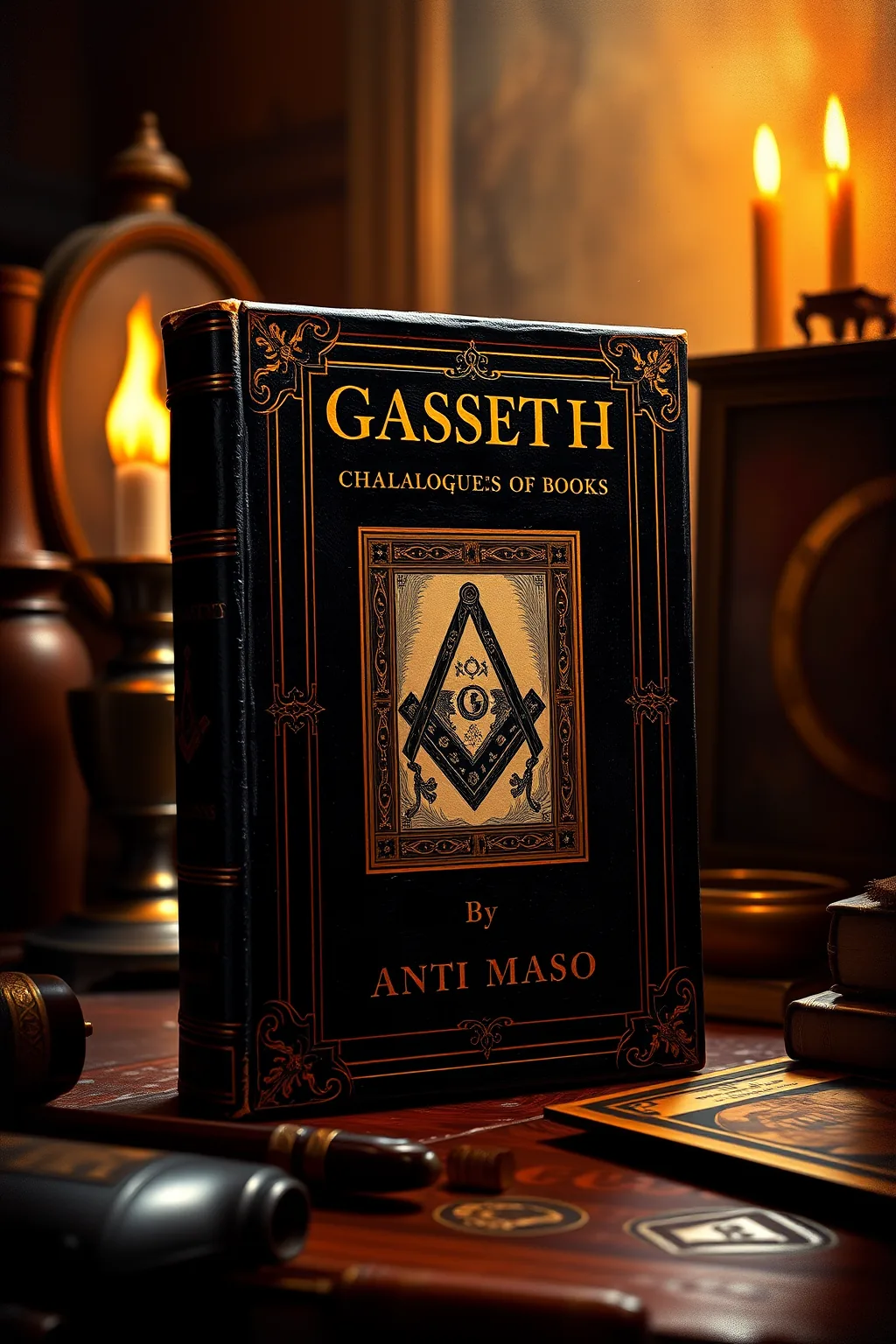
Gassett H Catalogue Of Books On The Masonic Institution 1852 Anti Masonic
 84
84

Gassett H Catalogue Of Books On The Masonic Institution 1852 Anti Masonic

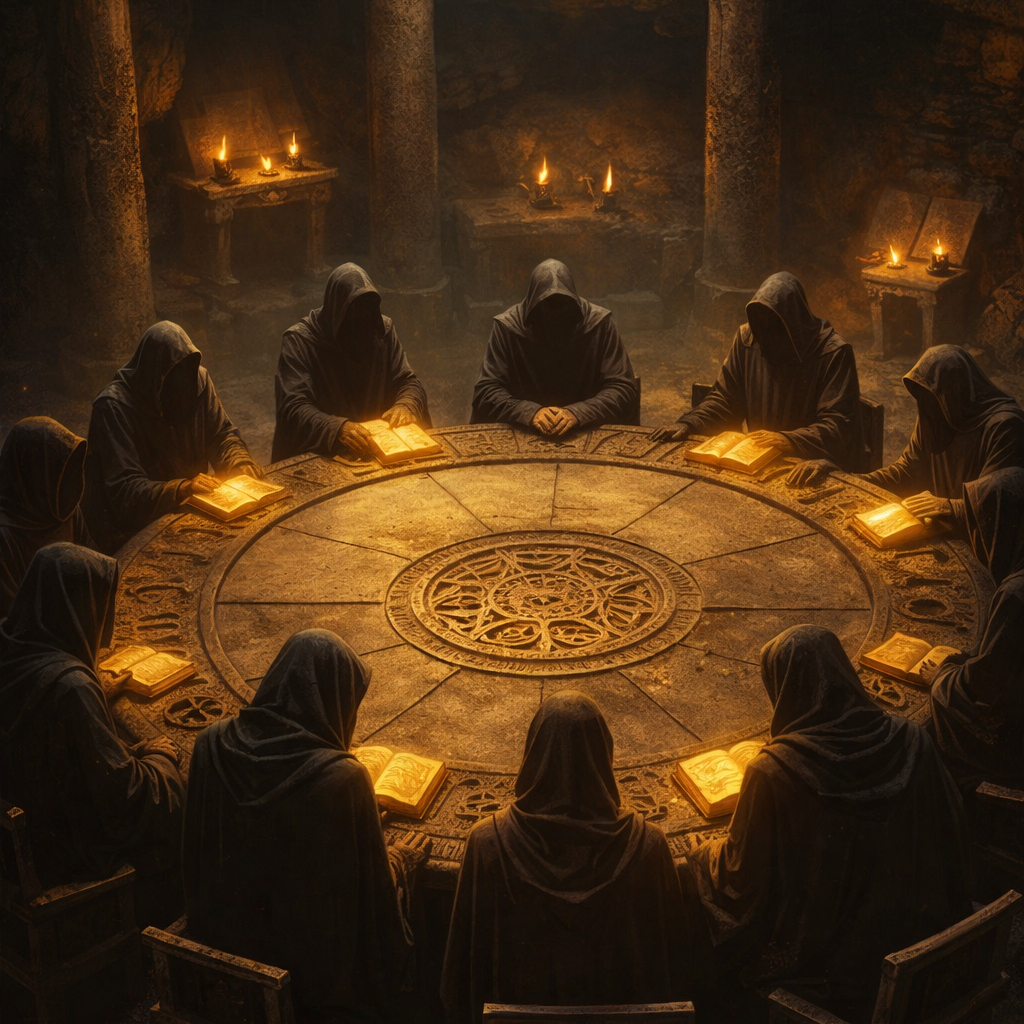

By Alaric Kestrel (Metaphysical Studies Reviewer) — This 1852 catalogue is an indispensable bibliographical treasure for anyone investigating the esoteric currents of Freemasonry and the historical Anti-Masonic sentiment. It provides a unique, albeit prejudiced, lens through which to view the literature surrounding the Craft during a pivotal period. Its strength lies in its comprehensive listing of texts, offering invaluable research material for scholars of secret societies, Western esotericism, and historical dissent. While the Anti-Masonic perspective is evident, the sheer breadth of referenced works allows for independent analysis of Masonic symbolism and philosophy. An essential read for serious researchers and dedicated occult historians.
📝 Description
84
A rare 1852 catalogue details books from the Anti-Masonic movement.
This 1852 catalogue, originating from the Anti-Masonic movement, lists books concerning the Masonic institution. It goes beyond a simple inventory, cataloguing works on Masonic symbolism, rituals, and philosophy. The entries reflect the intellectual climate and debates surrounding Freemasonry at the time.
For scholars or those interested in Western esotericism, this volume provides a look at texts that were subject to both praise and criticism. It serves as a guide to understanding the symbolic language and philosophies associated with secret societies and their impact on spiritual thought. The catalogue maps the literary field surrounding Freemasonry and its public image.
This catalogue emerged during a period of significant public interest and suspicion toward Freemasonry, particularly from the Anti-Masonic movement that gained traction in the mid-19th century. It documents the literature available to those who sought to understand, or critique, Masonic teachings. The listed works likely covered topics such as Hermeticism, Kabbalah, and other esoteric traditions that were often perceived to be intertwined with Masonic practices, placing it within the historical study of Western esoteric movements.
💡 Why Read This Book?
This catalogue is essential for understanding the historical discourse surrounding Freemasonry. It offers a rare bibliographical resource for scholars and seekers interested in the esoteric interpretations and criticisms of Masonic teachings. Ideal for those delving into secret societies, occult history, and the intellectual battles of the 19th century.
⭐ Reader Reviews
Honest opinions from readers who have explored this book.
❓ Frequently Asked Questions
What is the primary purpose of this catalogue?
The primary purpose of this 1852 catalogue is to list and document books pertaining to the Masonic Institution, particularly from an Anti-Masonic perspective, serving as a bibliographical record of the era's discourse.
Who compiled this catalogue?
The catalogue is attributed to Gassett H., and it reflects the perspective and concerns of the Anti-Masonic movement prevalent in the mid-19th century.
Is this book a primary source on Freemasonry?
While not a primary source *on* Masonic practices themselves, it is a primary source *about* the literature that existed concerning Freemasonry and the controversies surrounding it at the time of its compilation.
What kind of books are listed?
The catalogue lists a wide array of books, pamphlets, and publications that either discussed, criticized, or revealed aspects of Masonic rituals, symbolism, and organizational structure.
What is the significance of the Anti-Masonic context?
The Anti-Masonic context is crucial, as it informs the selection and potential bias of the listed works, offering insights into the societal fears and objections to Freemasonry during that period.
🔮 Key Themes & Symbolism
The Esoteric Architecture of Freemasonry
This catalogue serves as a bibliographical map to the esoteric dimensions of Freemasonry, meticulously detailing texts that explored its hidden symbolism, allegorical narratives, and philosophical underpinnings. It highlights the wide range of knowledge that Masons claimed to preserve, often drawing parallels to ancient wisdom traditions and Hermetic philosophies. The listed works likely look at the geometric, architectural, and celestial symbolism integral to Masonic degrees, offering glimpses into a system designed for spiritual ascent and moral refinement.
Anti-Masonic Scrutiny and Revelation
As a product of the Anti-Masonic movement, this catalogue offers a critical lens on Masonic secrecy. The compilation reflects a period of intense public suspicion and 'revelation' attempts, where clandestine rituals and purported secrets were exposed or exaggerated. Examining the works listed provides insight into the fears and accusations leveled against the fraternity, from claims of sedition to alleged perversion of moral and religious principles. It chronicles the battle for public perception and the attempts to explain or condemn a society perceived as a threat.
The Power of Bibliographical Archives
Beyond its subject matter, the catalogue itself is a significant artifact. It represents the academic and investigative impulse of the 19th century, where meticulous cataloguing was a key tool for understanding complex subjects. For scholars of esotericism and secret societies, this document is invaluable. It allows for the reconstruction of the intellectual landscape surrounding Freemasonry, revealing the types of literature available, the prevailing debates, and the very sources that informed both proponents and critics of the Craft.
💬 Memorable Quotes
Direct passages from the work, attributed to the author.
“A proof of hidden lore, a chronicle of suspicion.”
— This phrase expresses the dual nature of the catalogue: it documents esoteric Masonic knowledge while simultaneously reflecting the critical and often fearful stance of the Anti-Masonic movement.
“The keys to the lodge, guarded by ink and shadow.”
— Suggests that the books listed hold the secrets or interpretations of Masonic practices, metaphorically locked away and revealed only through diligent study of texts, themselves obscured by the secretive nature of the order.
“Where symbols speak and reason questions.”
— Highlights the fundamental tension between the symbolic language inherent in Masonic teachings and the rationalistic or critical inquiry often applied by those outside the fraternity.
“A library of the veiled, a mirror to the perceived.”
— Emphasizes that the catalogue is a collection of works dealing with hidden or esoteric subjects, and the Anti-Masonic perspective acts as a distorted reflection of Freemasonry's public image.
“Elements of ritual in the rustle of pages.”
— Evokes the idea that by reading the books listed, one can almost hear or sense the ancient rituals and traditions of Freemasonry, brought to life through the written word.
🌙 Esoteric Significance
Tradition
This catalogue is deeply rooted in the Western Esoteric Tradition, particularly as it intersects with the history and literature of Freemasonry. It reflects the Hermetic, alchemical, Kabbalistic, and Gnostic influences that permeated Masonic symbolism and ritual. The works listed likely explore the allegorical interpretations of operative stonemasonry, transforming it into a system for spiritual alchemy and the perfection of the soul, a hallmark of esoteric thought.
Symbolism
The books catalogued likely look at the profound symbolism embedded within Masonic rites: the square and compasses representing moral rectitude and divine proportion, the tools of the craft as metaphors for self-improvement, and the journey through degrees mirroring the path of spiritual illumination. Expect references to sacred geometry, celestial bodies, and ancient architectural motifs, all serving as keys to unlocking deeper metaphysical truths.
Modern Relevance
In the modern era, this catalogue remains a vital resource for understanding the historical evolution of esoteric thought and secret societies. It provides context for contemporary interest in Masonic lore, allowing researchers to trace the lineage of ideas and the enduring power of symbolism. For practitioners seeking to understand the foundational texts and debates that shaped Western occultism, this document offers a critical gateway to deeper study and informed practice.
👥 Who Should Read This Book
This 1852 catalogue is indispensable for serious scholars of Western esotericism, religious history, and the sociology of secret societies. Occult practitioners seeking a deeper historical understanding of Masonic symbolism and its philosophical underpinnings will find it invaluable. Researchers investigating the Anti-Masonic movement or the cultural anxieties of 19th-century America will benefit immensely. While not an introductory text, dedicated seekers of hidden knowledge who are prepared to engage with historical bibliographies and potentially biased perspectives will find it a rich and rewarding resource.
📜 Historical Context
Compiled in 1852, this catalogue emerges from the fervent Anti-Masonic period of the mid-19th century in America. Following the mysterious disappearance of William Morgan, a Freemason who allegedly intended to publish secrets of the order, a powerful anti-Masonic political party and widespread public suspicion took hold. This era saw a surge in literature aimed at exposing, criticizing, or warning against Freemasonry, which was often viewed as a secretive, potentially subversive force threatening republican ideals and public morality. This catalogue, therefore, is a product of that intense public debate, documenting the very texts that fueled both fear and fascination, and providing a unique bibliographical snapshot of the intellectual battleground surrounding one of the era's most controversial institutions.
📔 Journal Prompts
Reflect on the concept of 'hidden knowledge' as presented in the context of Freemasonry and its opposing movements. What are the inherent dangers and benefits of such knowledge?
Consider the role of symbolism in both Masonic teachings and Anti-Masonic critiques. How were symbols used to both convey and condemn?
Imagine you are a researcher in 1852 encountering this catalogue. What immediate questions arise about the nature of Freemasonry and its societal impact?
Analyze the potential biases present in a catalogue compiled from an Anti-Masonic viewpoint. How might this bias shape the selection and description of the listed books?
How does the bibliographical approach of this catalogue mirror or contrast with modern methods of archiving and disseminating esoteric information?
🗂️ Glossary
Masonic Institution
Refers to Freemasonry, a fraternal organization that traces its origins to the local guilds of stonemasons, using a symbolic system of operative masonry to impart moral and philosophical lessons.
Anti-Masonic Movement
A significant political and social movement in the United States, particularly prominent in the 1820s and 1830s, that opposed Freemasonry, viewing it as a secretive and dangerous conspiracy.
Esoteric
Relating to or accessible only by a select group of initiated people or those with specialized knowledge, often concerning spiritual or mystical subjects.
Symbolism
The use of symbols to represent ideas and qualities by giving them meanings that are different from their literal sense, particularly prevalent in religious and philosophical traditions.
Ritual
A set of actions, performed habitually or according to a prescribed order, often with religious or symbolic significance, as in secret societies.
This book appears in 2 collections
🔮 Readers Also Liked
Browse all →



From the “Secret Societies” Collection
View all →

More Free Freemasonry & Secret Societies Books
View all →