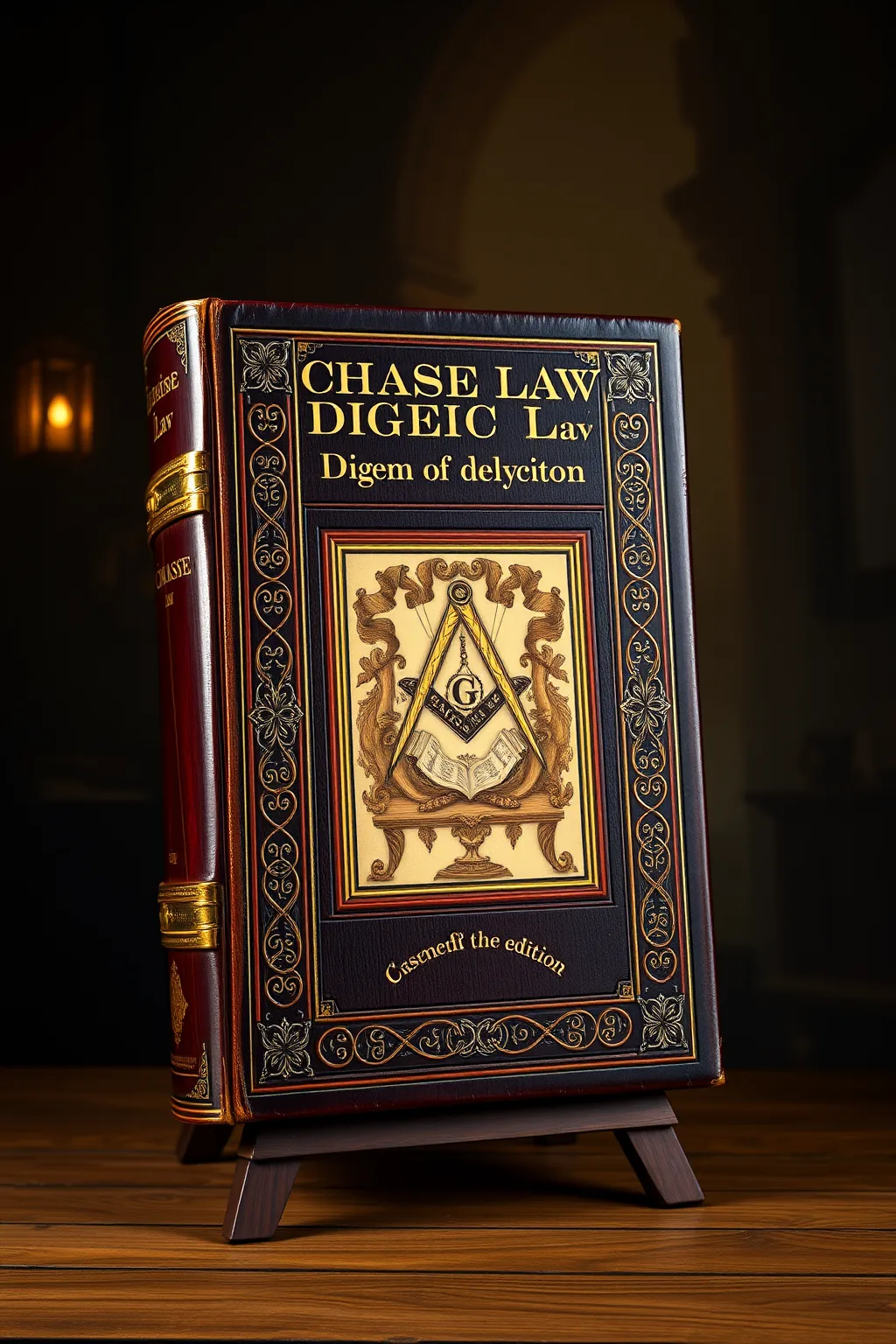
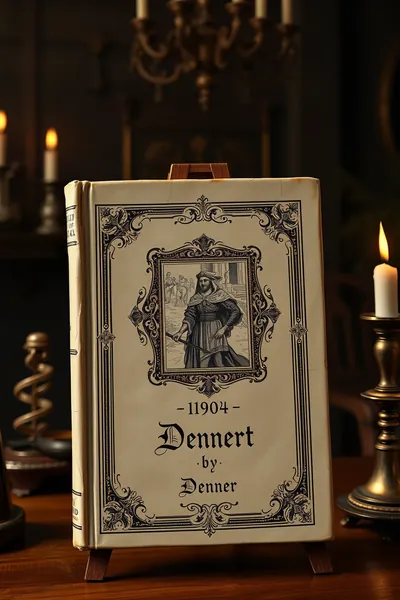
Chase G W Digest Of Masonic Law Being A Complete Code Of Regulations Decisions & Opinion 2nd Ed 1863
 71
71

Chase G W Digest Of Masonic Law Being A Complete Code Of Regulations Decisions & Opinion 2nd Ed 1863


Evander Ashcroft (Alchemy & Hermeticism Editor) — This 1863 digest is an indispensable artifact for anyone seeking to understand the esoteric framework of Freemasonry. Beyond its regulatory function, it offers profound insights into the symbolic logic and ethical underpinnings that have guided the Craft for centuries. Its strength lies in its comprehensive nature, laying bare the established wisdom and decision-making processes that ensure Masonic integrity. Recommended for serious students of fraternal orders, occult history, and philosophical traditions, this volume is a cornerstone for deciphering the deeper currents within Masonic practice and its historical evolution.
📝 Description
71
The 1863 Chase G. W. Digest compiles Masonic regulations, decisions, and opinions for the fraternity.
This second edition of the Chase G. W. Digest, published in 1863, presents a thorough compilation of Masonic law. It details the regulations, decisions, and opinions that structure the fraternity's governance. The text functions as more than a simple legal reference; it illuminates the symbolic language and philosophical ideas central to Freemasonry.
For those interested in fraternal orders, Masonic governance, or the ethical structure of the Craft, this digest provides significant insight. It details the rights, responsibilities, and rituals that define the society. The formal language reflects the seriousness of the subject, encouraging reflection on principles of self-improvement and the pursuit of knowledge.
Within esoteric traditions, this digest stands as a practical codification of a specific fraternal system. It reveals how abstract principles of order and morality are translated into concrete rules and judgments within Freemasonry. The text shows a society that uses ritual and allegory to impart its philosophical teachings, connecting its members to a lineage of symbolic understanding. It is a guide to the internal logic and symbolic architecture of the Craft.
💡 Why Read This Book?
Uncover the hidden logic and philosophical underpinnings of Masonic governance. This digest is essential for scholars of secret societies, practitioners seeking a deeper understanding of ritual and law, and seekers of esoteric knowledge. It provides a rare window into the structured wisdom that has guided Freemasonry, revealing the symbolic architecture of fraternal order and ethical conduct.
⭐ Reader Reviews
Honest opinions from readers who have explored this book.
❓ Frequently Asked Questions
What is the primary purpose of this Masonic digest?
Its primary purpose is to serve as a comprehensive code of regulations, decisions, and opinions governing Masonic lodges, ensuring uniformity and clarity in their operations and jurisprudence.
Is this book suitable for someone new to Freemasonry?
While it is a technical legal text, it offers profound insights into the foundational principles and symbolic logic of Freemasonry, making it valuable for dedicated newcomers seeking a deep understanding of its structure.
What historical period does this digest reflect?
It reflects the mid-19th century, specifically 1863, offering a snapshot of Masonic legal thought and practice during a significant era of fraternal organization development.
Are there esoteric or mystical elements within Masonic law?
Yes, Masonic law is deeply intertwined with esoteric principles, symbolism, and philosophical teachings that guide the ethical and spiritual development of its members.
Where can I find further interpretations of Masonic symbolism?
Esoteric Library offers a curated selection of texts that delve into Masonic symbolism, ritual, and philosophy, complementing the foundational knowledge found in this digest.
🔮 Key Themes & Symbolism
The Architecture of Masonic Governance
This theme explores the intricate legal and regulatory framework that underpins Freemasonry, presenting it not just as a set of rules, but as a symbolic structure designed to foster order, harmony, and ethical conduct among its members. The digest reveals how these laws are crafted to guide initiates through a path of self-improvement, mirroring the construction of King Solomon's Temple, a potent symbol of spiritual perfection and divine order.
Symbolic Interpretation of Masonic Precepts
Beyond its literal legal pronouncements, the digest serves as a conduit for understanding the deeper, allegorical meanings embedded within Masonic jurisprudence. Each regulation and decision can be viewed through the lens of esoteric symbolism, reflecting principles of moral philosophy, spiritual growth, and the pursuit of hidden knowledge. It encourages readers to look beyond the surface and engage with the collection of allegorical instruction that defines the Craft.
The Evolution of Masonic Jurisprudence
This theme examines the historical context of the 1863 digest, situating it within the broader evolution of Masonic law and practice. It highlights how decisions and opinions from this era shaped the fraternity's trajectory, offering insights into the contemporary challenges and philosophical currents that influenced its legal development. Understanding this evolution provides a crucial perspective for appreciating the enduring legacy of Masonic thought.
💬 Memorable Quotes
Direct passages from the work, attributed to the author.
“Order is the first law of heaven.”
— This highlights the Masonic belief in the paramount importance of structure, discipline, and cosmic harmony as guiding principles for both the individual and the fraternity.
“Justice tempered with mercy.”
— This points to the ideal of equitable judgment within Masonic governance, where fairness is balanced with compassion and understanding in the application of its laws.
“Ignorance is the parent of vice.”
— This underscores the Masonic commitment to education and the pursuit of knowledge as essential tools for moral and spiritual development, combating error and vice.
“Truth is the foundation of all virtue.”
— This aphorism speaks to the central role of honesty, integrity, and the unwavering pursuit of truth in the ethical framework and spiritual journey of a Freemason.
💡 Key Ideas
Editorial paraphrase of the work's core concepts — not direct quotes.
The ancient landmarks must be preserved.
This quote emphasizes the immutable core principles of Freemasonry, suggesting that its foundational laws and traditions are sacred and must be protected from alteration.
🌙 Esoteric Significance
Tradition
This digest is deeply rooted in the Western Esoteric Tradition, particularly within the framework of Hermeticism, Kabbalah, and Neoplatonism, which have historically informed Masonic philosophy. It reflects a structured approach to knowledge that emphasizes moral and spiritual progression through allegory and ritual, aiming to reveal divine truths and unlock the potential of the human soul.
Symbolism
Key symbols embedded within Masonic law include the Square and Compasses, representing morality and self-control; the Trowel, symbolizing the spreading of brotherly love and the cement of union; and the Level, signifying equality among all men. These symbols are not merely decorative but are integral to the legal and ethical teachings, forming a visual language for abstract concepts of justice, harmony, and spiritual ascent.
Modern Relevance
In contemporary times, this digest remains a vital resource for understanding the enduring principles that govern fraternal organizations. It offers a historical lens through which to examine the evolution of ethical codes and governance structures, providing a foundation for modern interpretations. Its emphasis on order, virtue, and the pursuit of knowledge continues to resonate with individuals seeking self-improvement and community.
👥 Who Should Read This Book
This digest is indispensable for Masonic scholars and historians seeking to understand the legal and philosophical underpinnings of the fraternity in the mid-19th century. Dedicated Freemasons will find it important for deepening their comprehension of lodge governance and the historical context of their vows. Seekers of esoteric knowledge will appreciate its structured approach to allegorical instruction and its role in the Western Esoteric Tradition. Furthermore, students of organizational law and secret societies will find in its pages a unique case study of formalized fraternal jurisprudence.
📜 Historical Context
Published in 1863, the 'Chase G. W. Digest of Masonic Law' emerged during a period of significant expansion and consolidation for Freemasonry across the globe. The mid-19th century was an era of burgeoning fraternal organizations, marked by a desire for standardization and a codification of practices. This digest reflects a mature stage of Masonic jurisprudence, where established traditions were being systematically documented and interpreted. The American Civil War was raging, a backdrop that underscored the importance of unity, order, and shared principles within fraternal bodies. The work represents an effort to solidify the legal and ethical foundations of the Craft, ensuring its continuity and integrity amidst societal upheaval and change. Its meticulous compilation suggests a community deeply invested in its own governance and the preservation of its ancient wisdom.
📔 Journal Prompts
How does the concept of 'ancient landmarks' in Masonic law influence contemporary ethical decision-making?
Analyze a specific regulation from the digest and interpret its symbolic meaning beyond its legal application.
In what ways does Masonic jurisprudence mirror or diverge from secular legal systems of its time?
Reflect on the concept of 'order' as presented in Masonic law and its personal significance.
Consider the role of 'decisions and opinions' in shaping the living tradition of Freemasonry. How does this process foster growth?
🗂️ Glossary
Jurisprudence
The theory or philosophy of law; the body of laws of a particular society or group. In Freemasonry, it refers to the principles and practices governing lodges and their members.
Lodge
The local assembly or meeting place of Freemasons, where rituals are performed and administrative business is conducted according to Masonic law.
Regulation
A rule or directive made and maintained by an authority. In this context, it refers to the established laws and statutes governing Masonic conduct and organization.
Decision
A resolution or judgment made by a governing body within Freemasonry, often setting precedent for future cases or interpretations of law.
Opinion
A formal statement or judgment on a matter of Masonic law or practice, usually issued by an authority to clarify or interpret existing regulations.
This book appears in 2 collections
🔮 Readers Also Liked
Browse all →





From the “Secret Societies” Collection
View all →





More Free Freemasonry & Secret Societies Books
View all →