Kwaidan

 82
82

Kwaidan



Sophia Crane (Associate Editor) — Lafcadio Hearn's 'Kwaidan' remains an unparalleled treasure for those who seek the esoteric pulse of Japanese culture. More than a compendium of ghost stories, it is a profound exploration of animism, Buddhist philosophy, and the subtle energies that bind the material and spiritual worlds. Hearn masterfully captures the essence of ancestral reverence and the pervasive belief in the supernatural, presenting tales steeped in moral lessons and existential contemplation. Its strength lies in its authentic preservation of folklore, offering readers a direct conduit to the spiritual imagination of a bygone era. 'Kwaidan' is indispensable for scholars of religion, mythology, and comparative spirituality, as well as for practitioners seeking to understand the archetypal forces at play in Japanese esoteric traditions.
📝 Description
82
Lafcadio Hearn's 'Kwaidan,' published in 1904, collects Japanese ghost stories and supernatural accounts.
This 1904 collection by Lafcadio Hearn gathers supernatural tales from Japan. Hearn translated these stories, drawing from oral traditions and existing folklore. The narratives touch on Buddhist concepts like karma and animistic beliefs prevalent in Japanese culture.
Each story presents a glimpse into a world where the boundary between the living and the dead is permeable. Hearn's prose details encounters with spirits, yokai, and the lasting effects of past actions. The collection illuminates Japanese perspectives on nature, the afterlife, and unseen influences on human fate.
Beyond simple ghost stories, 'Kwaidan' touches on themes of mortality, the transient nature of existence, and the role of belief. It offers a look at how the Japanese psyche grappled with the unknown.
Published in 1904, 'Kwaidan' sits within a tradition of Westerners documenting and interpreting non-Western spiritual and folkloric traditions. Hearn, living in Japan, engaged with the cultural and religious underpinnings of the stories he collected, including Buddhist concepts of karma and the widespread animistic reverence for nature and spirits. These tales reflect a worldview shaped by oral history and a belief in the interconnectedness of the physical and spiritual realms, which held particular fascination for esoteric circles in the late 19th and early 20th centuries.
✍️ Author
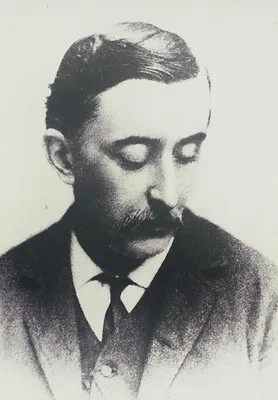
Lafcadio Hearn
Lafcadio Hearn was a Greek-Irish author, translator, and teacher known for his books about Japan.
💡 Why Read This Book?
Uncover the profound spiritual tapestry of ancient Japan, where the living and the spectral coexist. 'Kwaidan' offers a unique window into Buddhist concepts of karma, reincarnation, and the interconnectedness of all beings. Ideal for seekers of esoteric wisdom, scholars of comparative religion, and practitioners interested in ancestral veneration and the subtle energies of the spirit world. Experience tales that are both chilling and deeply philosophical.
⭐ Reader Reviews
Honest opinions from readers who have explored this book.
❓ Frequently Asked Questions
What makes 'Kwaidan' an esoteric work?
'Kwaidan' delves into the esoteric by preserving ancient Japanese folklore deeply intertwined with Buddhist spiritualism, animism, and shamanistic beliefs. It reveals hidden knowledge about the Japanese worldview, the nature of spirits, and the interconnectedness of the material and spiritual realms, offering insights beyond conventional historical accounts.
Who was Lafcadio Hearn and why is his perspective important?
Lafcadio Hearn was a Greek-Irish writer who became a naturalized Japanese citizen. His unique position allowed him to immerse himself deeply in Japanese culture, folklore, and spiritual practices, preserving these traditions with sensitivity and scholarly rigor before they faded.
Are these stories suitable for beginners in esoteric studies?
Yes, 'Kwaidan' serves as an excellent entry point. While rich in esoteric themes, the narratives are accessible and engaging, offering a gentle introduction to Japanese spiritual concepts and supernatural lore through captivating storytelling.
What is the relationship between 'Kwaidan' and Japanese Buddhism?
The tales in 'Kwaidan' frequently incorporate Buddhist themes such as karma, reincarnation, the impermanence of life, and the influence of enlightened beings or fallen spirits. Hearn meticulously researched these connections, reflecting Buddhism's pervasive influence on Japanese spiritual thought.
Can 'Kwaidan' be read for its artistic merit alone?
Absolutely. Beyond its spiritual and historical significance, 'Kwaidan' is celebrated for Hearn's masterful prose, creating vivid atmospheres and deeply affecting narratives that resonate with universal human emotions. The literary artistry enhances its esoteric appeal.
🔮 Key Themes & Symbolism
The Interplay of Life and Death
This theme explores the porous boundary between the mortal realm and the spirit world, a central tenet in many esoteric traditions. Hearn's tales illustrate how the deceased continue to influence the living, manifesting through hauntings, omens, and lingering emotions. It studies the Buddhist concept of impermanence (mujō) and the karmic threads that bind souls across lifetimes, offering a profound contemplation of mortality and the ongoing spiritual journey. The narratives often serve as cautionary tales or lessons, highlighting the unseen consequences of actions and the enduring presence of the departed.
Animism and the Spirit of Nature
A core part of Japanese spirituality, animism permeates 'Kwaidan,' revealing a world where every element of nature—mountains, rivers, trees, and even inanimate objects—possesses a spirit or consciousness. These spirits, often benevolent or mischievous, interact with humanity, shaping destinies and revealing the interconnectedness of all existence. Hearn's work captures the deep reverence and caution with which ancient Japanese societies approached the natural world, acknowledging its potent spiritual forces and the hidden lives that coexist with ours, a concept vital in many indigenous esoteric traditions.
Karma and Rebirth: The Elements of Action
Central to Buddhist philosophy and heavily featured in 'Kwaidan,' the concept of karma—the law of cause and effect—is explored through the spectral lens of these tales. Actions in one life ripple into the next, influencing the fate of souls and their encounters with the supernatural. Hearn masterfully illustrates how past deeds, unfulfilled desires, or profound attachments can lead to spirits lingering, seeking resolution, or perpetuating cycles of suffering and enlightenment. This theme offers a profound meditation on responsibility and the eternal nature of spiritual consequence.
💬 Memorable Quotes
Direct passages from the work, attributed to the author.
“Every soul is a world of its own.”
— Highlighting individuality and the vast inner landscapes of human consciousness, this suggests that each being carries their own unique spiritual journey and karmic imprint.
“Nature remembers.”
— This poignant phrase underscores the animistic belief that the natural world is alive with consciousness and holds the memory of all events, spiritual or physical.
“To fear the ghost is to fear oneself.”
— Suggesting introspection, this implies that the supernatural encounters in the tales often serve as metaphors for internal struggles, unresolved issues, and the darker aspects of the human psyche.
💡 Key Ideas
Editorial paraphrase of the work's core concepts — not direct quotes.
The dead never truly leave us.
This quote captures the core belief in the persistent influence of departed souls on the living, a fundamental concept in the folklore and esoteric traditions explored in 'Kwaidan.'
The unseen is more real than the seen.
A direct nod to esoteric philosophy, this quote posits that spiritual realities and hidden forces hold a greater truth and influence than the tangible world.
🌙 Esoteric Significance
Tradition
The esoteric significance of 'Kwaidan' lies primarily within the context of Japanese Shinto and Buddhist folk traditions, which are deeply interwoven with animistic and shamanistic practices. It reflects a worldview where the spiritual realm is not separate but intimately connected to the material. This includes concepts of ancestral veneration, the power of yōkai (supernatural beings), the influence of karma, and the understanding of impermanence, all central to many Eastern esoteric paths that seek to understand the nature of reality and consciousness.
Symbolism
Symbolism abounds in 'Kwaidan,' from the spectral figures themselves—representing unresolved emotions, karmic debts, or spiritual guides—to the natural elements that often serve as their abode or manifestation. Water can symbolize purification or the subconscious, while specific trees or mountains often carry sacred significance. The recurring motifs of loss, longing, and the cyclical nature of life and death are potent symbols of spiritual journeys and the human condition. Hearn's meticulous descriptions imbue these elements with deep, often layered, esoteric meanings rooted in Japanese folklore and Buddhist teachings.
Modern Relevance
In a world increasingly dominated by materialism and rationalism, 'Kwaidan' offers a vital counterpoint, reminding us of the enduring power of the unseen and the spiritual dimensions of existence. Its exploration of karma, impermanence, and the interconnectedness of all beings resonates deeply with contemporary interests in mindfulness, ecological spirituality, and existential philosophy. The tales provide a body of work for exploring archetypal fears and desires, offering timeless wisdom on confronting mortality, understanding suffering, and finding meaning in the face of life's mysteries, making it profoundly relevant to modern seekers.
👥 Who Should Read This Book
This collection is a profound offering for a diverse audience. **Beginners** in esoteric studies will find accessible yet deeply resonant narratives that introduce core concepts of Japanese spirituality and the supernatural. **Scholars** of comparative mythology, folklore, and religious studies will appreciate Hearn's meticulous research and sensitive preservation of cultural heritage. **Seekers** of wisdom will find philosophical depth and contemplative prompts within the tales, exploring themes of life, death, and karma. **Practitioners** interested in Shinto, Buddhism, or animistic traditions will discover rich symbolic language and archetypal encounters that can inform their spiritual path and understanding of the unseen world.
📜 Historical Context
Lafcadio Hearn's 'Kwaidan' was published in 1904, a central period in Japanese history marked by rapid modernization and Westernization following the Meiji Restoration. Despite this outward shift, a deep reservoir of traditional beliefs, folklore, and spiritual practices persisted, particularly in rural areas. Hearn, an outsider who became an insider, dedicated his life to documenting and preserving these fading cultural treasures. His work emerged as Western interest in Eastern mysticism and folklore grew, positioning 'Kwaidan' as a crucial bridge between cultures. It offered the West a glimpse into the intricate spiritual range of old Japan, a world rich with animism, Buddhist philosophy, and a profound respect for the unseen, at a time when these traditions were beginning to be overshadowed by new ideologies.
📔 Journal Prompts
Reflect on a time you felt a presence or a sense of the uncanny. What might have been the 'karmic echo' of that moment?
Consider the animistic belief that nature has a spirit. How does this perspective change your relationship with the natural world around you?
If the dead truly never leave us, what unseen influences might be present in your own life or ancestral lineage?
Explore a personal fear. How might this fear be a symbolic manifestation of an unresolved aspect of your own 'spirit world'?
How does the Buddhist concept of impermanence, as illustrated in these tales, influence your perception of your own life and attachments?
🗂️ Glossary
Yōkai
A broad category of supernatural beings, monsters, and spirits in Japanese folklore. They range from mischievous sprites to fearsome demons, often embodying natural phenomena or human psychological states.
Karma
In Buddhist and Hindu traditions, the principle of cause and effect where an individual's actions (karma) influence their future experiences, including rebirths. It is the spiritual law of consequence.
Impermanence (Mujō)
A fundamental Buddhist concept emphasizing the transient nature of all phenomena, including life, emotions, and material possessions. It encourages detachment and acceptance.
Shinto
Japan's indigenous religion, characterized by the worship of kami (spirits or deities) residing in natural objects, ancestors, and forces. It emphasizes purity, harmony, and reverence for nature.
Animism
The belief that spirits inhabit inanimate objects, natural phenomena, and the universe. It is a foundational concept in many indigenous and ancient spiritual traditions, including aspects of Shinto.
This book appears in 1 collection
🔮 Readers Also Liked
Browse all →









More by Lafcadio Hearn
All books →



From the “Transcendental Meditation” Collection
View all →









More Free Esoteric History & Biography Books
View all →