Gypsy Folk Tales
 80
80

Gypsy Folk Tales



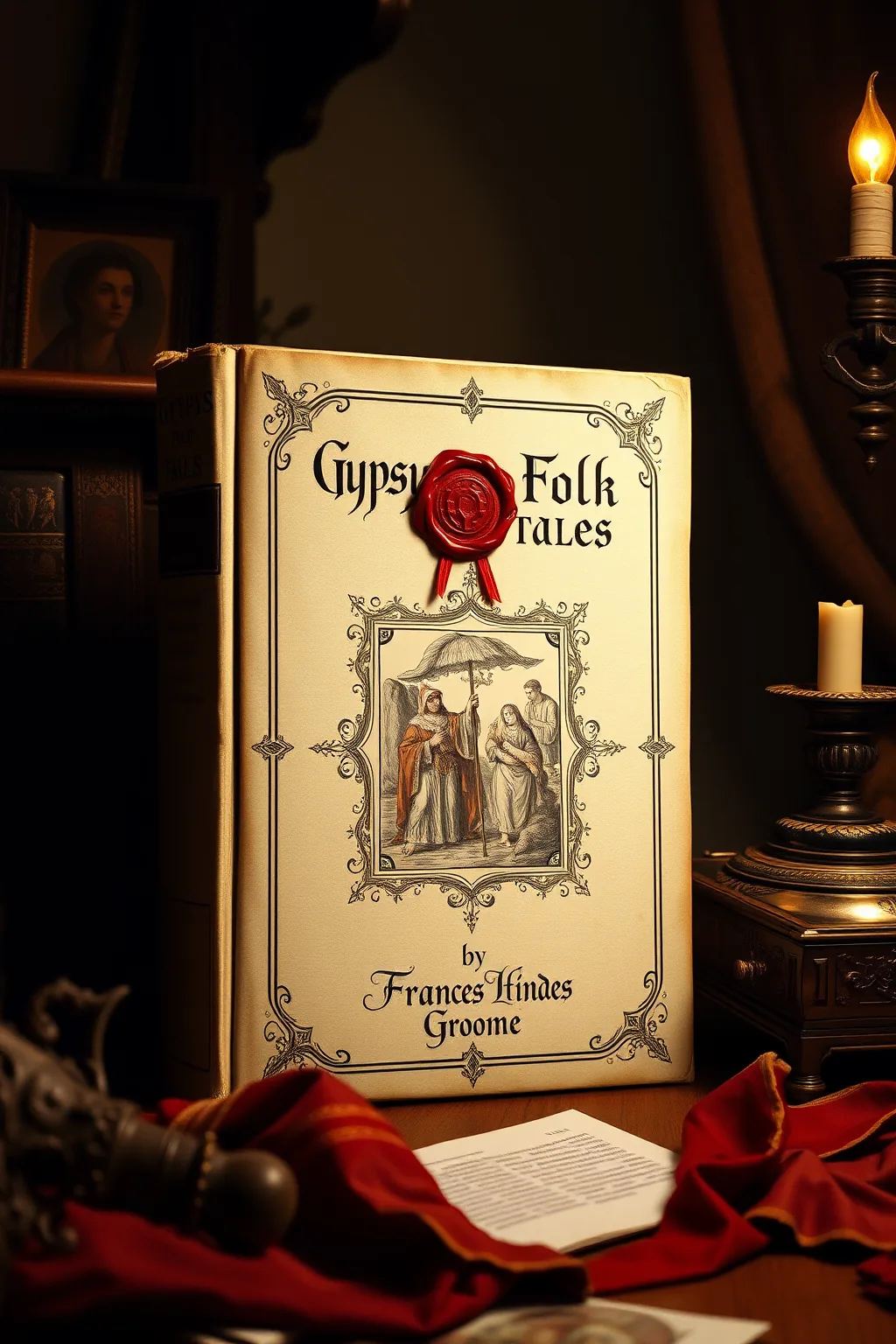
Francis Hindes Groome's 'Gypsy Folk Tales' stands as a monumental work in the study of esoteric folklore. Published in 1899, it offers an unparalleled window into the rich tapestry of Romani oral traditions. Groome's scholarly approach, evident in his detailed introduction and comparative notes, elevates these narratives beyond simple curiosities, revealing their deep symbolic resonance and cultural significance. The collection is a treasure trove for anyone interested in the hidden currents of human belief, offering insights into animism, shamanic journeys, and the elemental forces that have shaped spiritual thought across millennia. This volume is indispensable for scholars of comparative mythology, folklorists, and practitioners seeking to understand the esoteric underpinnings of marginalized cultures. It is a rare and valuable resource that continues to illuminate the profound wisdom held within the folk narratives of the Romani people.
📝 Description
80
Francis Hindes Groome published 'Gypsy Folk Tales' in 1899, collecting seventy-six Romani narratives.
Francis Hindes Groome's 1899 collection, 'Gypsy Folk Tales,' compiles seventy-six Romani stories gathered from English, Welsh, and Eastern European communities. Groome framed these narratives with a substantial introduction and comparative notes, situating them within a scholarly context. The tales are organized by region and genre, encompassing traditions from Turkey and Romania to Slovakia, Poland, England, and Scotland.
These stories function as windows into Romani cosmologies and ancestral knowledge. The collection invites readers interested in myth, lived experience, and oral traditions to engage with a worldview shaped by the Romani people. It details patterns of human consciousness and the persistent strength of storytelling across generations. The book serves as a resource for understanding esoteric beliefs within Romani culture and the universal human pursuit of meaning.
Published in 1899, 'Gypsy Folk Tales' emerged during a period of significant interest in folklore and comparative mythology as fields for uncovering deeper spiritual and psychological truths. Groome's work situates Romani narratives within this broader scholarly and esoteric current, suggesting that these tales hold keys to understanding not only a specific culture but also universal patterns of human consciousness and belief. The collection was intended to reveal the spiritual and cosmological frameworks embedded within the Romani oral tradition, aligning with a wider esoteric search for hidden knowledge and ancestral wisdom.
✍️ Author
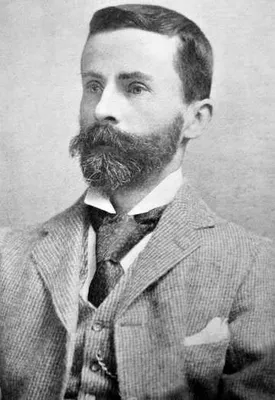
Francis Hindes Groome
Francis Hindes Groome (30 August 1851 – 24 January 1902) was a writer and foremost commentator of his time on the Romani people, their language, life, history, customs, beliefs, and lore. He was the son of Robert Hindes Groome, Archdeacon of Suffolk.
💡 Why Read This Book?
Embark on an extraordinary journey into the soul of Romani culture. 'Gypsy Folk Tales' offers a rare glimpse into ancient wisdom, symbolic language, and hidden spiritual practices. Ideal for seekers of esoteric knowledge, folklorists, anthropologists, and anyone fascinated by the universal archetypes that shape human consciousness and the enduring power of oral traditions. Discover a world of magic, mystery, and profound insight.
⭐ Reader Reviews
Honest opinions from readers who have explored this book.
❓ Frequently Asked Questions
What is the primary focus of 'Gypsy Folk Tales'?
The book meticulously collects and presents seventy-six traditional Romani folk tales from various European regions, offering scholarly insights into their cultural and symbolic significance.
Who was Francis Hindes Groome?
Francis Hindes Groome was a British scholar and folklorist renowned for his extensive work on Romani culture and language, dedicating much of his life to documenting their traditions.
What makes this collection 'esoteric'?
The tales often contain deep symbolic meanings, ancient cosmologies, and reflections of spiritual beliefs and practices that are not always apparent on the surface, revealing hidden layers of knowledge.
Are these tales suitable for beginners in folklore?
Yes, while scholarly, the narratives themselves are engaging. Groome's introduction and notes provide context, making it accessible for those new to Romani folklore but eager to learn.
Where can I find more information about Romani culture after reading this book?
This book serves as an excellent starting point. Further exploration can be found in academic journals on Romani studies, comparative mythology, and other works by Groome and contemporary folklorists.
🔮 Key Themes & Symbolism
The Transcendent Nature of Romani Oral Tradition
This collection looks at the profound spiritual and philosophical dimensions embedded within the oral narratives of the Romani people. It explores how these tales, passed down through generations, serve as vehicles for transmitting ancient wisdom, ethical frameworks, and unique cosmologies. The stories are not merely entertainment but repositories of collective memory and spiritual understanding, reflecting a worldview that often exists in parallel to dominant societal structures. Groome's work highlights the enduring power of the spoken word to shape identity, preserve cultural heritage, and offer useful insights into the human condition, often touching upon themes of fate, destiny, and the interconnectedness of all things.
Symbolism and Archetypes in Romani Folklore
Groome's 'Gypsy Folk Tales' is rich with symbolic imagery and universal archetypes that resonate across cultures. The collection meticulously documents recurring motifs, characters, and narrative structures that speak to deeper psychological and spiritual truths. These tales often feature transformative journeys, encounters with the supernatural, and the exploration of the human psyche's deeper meaning. By examining the symbolic language employed by the Romani storytellers, readers can gain an understanding of their unique perception of the world, their relationship with nature, and their spiritual aspirations. The book serves as a valuable resource for deciphering the symbolic grammar of folklore and its role in expressing the ineffable.
The Romani Worldview: A Synthesis of Cultures and Beliefs
This collection offers a fascinating glimpse into the syncretic nature of Romani culture, showcasing how their traditions have absorbed and reinterpreted influences from the diverse regions they have traversed. The tales from various Eastern European, English, and Welsh communities reveal a complex collection of beliefs, blending animistic elements, shamanistic practices, and unique interpretations of Christian and Islamic narratives. Groome's comparative approach underscores the adaptability and resilience of Romani folklore, demonstrating how it serves as a dynamic reflection of their historical journey and their enduring quest for identity and belonging in a world that has often misunderstood or marginalized them.
💬 Memorable Quotes
Direct passages from the work, attributed to the author.
“In every tale, a seed of truth lies waiting.”
— This emphasizes the allegorical and symbolic nature of folklore, suggesting that beneath the surface narrative, profound lessons and hidden knowledge can be discovered by the discerning reader.
“The fire of the hearth holds ancient spirits.”
— This evokes a sense of the sacred in the domestic sphere and suggests a belief in the presence of ancestral or elemental spirits within the heart of Romani life and storytelling.
“Their songs are woven from the threads of time.”
— This highlights the enduring legacy of Romani culture and the deep historical roots embedded within their artistic expressions, linking their present to a vast, unbroken past.
“The road is their scripture, the stars their guide.”
— This speaks to a nomadic spirituality, where life experiences and the celestial bodies serve as a form of divine revelation and guidance, reflecting a profound connection to the cosmos.
💡 Key Ideas
Editorial paraphrase of the work's core concepts — not direct quotes.
The Romani are the true inheritors of the Earth.
This quote suggests a deep connection to the natural world and a sense of belonging that transcends conventional societal structures, hinting at an ancient, perhaps primal, wisdom.
🌙 Esoteric Significance
Tradition
This collection is deeply rooted in the oral traditions and folk magic of the Romani people, often referred to as 'Gypsies.' While not tied to a single formalized esoteric school, its significance lies in its preservation of what can be interpreted as animistic beliefs, shamanistic practices, and a unique cosmology that views the world as infused with spiritual forces and interconnected energies. The tales often touch upon themes of fate, prophecy, elemental magic, and the liminal spaces between the seen and unseen worlds, echoing broader currents found in shamanic traditions and ancient European folk magic.
Symbolism
The symbolism within 'Gypsy Folk Tales' is rich and multilayered, often drawing from nature, animals, and archetypal human experiences. Recurring symbols include the raven (often representing prophecy or transformation), the wolf (strength and wildness), the enchanted object (power and destiny), and the journey (spiritual or physical quest). These elements are not merely decorative but serve as potent metaphors for psychological states, spiritual challenges, and the cyclical nature of life, death, and rebirth. Understanding these symbols provides a key to unlocking the deeper, esoteric meanings embedded within the narratives.
Modern Relevance
In an age often characterized by disconnection and homogenization, 'Gypsy Folk Tales' offers a vital counterpoint, reminding us of the enduring power of ancestral wisdom and the richness of diverse cultural narratives. The book's exploration of themes like resilience, adaptability, and the search for belonging resonates deeply with contemporary challenges. For esoteric practitioners, it provides a window into folk magical practices and alternative worldviews, offering inspiration for personal spiritual growth and a deeper understanding of humanity's relationship with the unseen. It underscores the importance of preserving oral traditions as living repositories of cultural identity and spiritual insight.
👥 Who Should Read This Book
This collection is a must-read for a diverse audience. **Beginners** in folklore and mythology will find an engaging introduction to Romani culture through captivating stories. **Scholars and folklorists** will appreciate Groome's meticulous research, comparative notes, and the book's historical significance as a primary source. **Esoteric seekers and practitioners** will discover a wealth of symbolic language, ancient beliefs, and folk magical elements that offer useful insights into alternative spiritual paths and the human psyche. **Anyone** with a curiosity for hidden histories, marginalized cultures, and the enduring power of storytelling will find 'Gypsy Folk Tales' to be an informative and enriching experience.
📜 Historical Context
Published in 1899, 'Gypsy Folk Tales' emerged during a period of intense academic interest in folklore and anthropology, a time when scholars sought to document and understand the disappearing oral traditions of various cultures. The late Victorian era was marked by both romantic fascination with the 'exotic' and a rigorous scientific approach to cataloging human knowledge. Francis Hindes Groome, a prominent figure in Romani studies, operated within this milieu, meticulously collecting tales that were rapidly being influenced or supplanted by modernization. His work reflects a deep respect for the Romani people and a desire to preserve their unique cultural heritage, offering a valuable historical snapshot of their beliefs, social structures, and narrative traditions at the cusp of the 20th century.
📔 Journal Prompts
Reflect on a recurring symbol in the tales. What personal meaning does it hold for you?
Consider the Romani concept of 'fate' as depicted in the stories. How does it compare to your own understanding of destiny?
Imagine you are a storyteller in the Romani tradition. Which of these tales would you choose to retell and why?
How do the tales challenge or affirm your perceptions of the 'outsider' or 'marginalized' individual?
Explore the intersection of the natural world and the supernatural in these narratives. What does this suggest about the Romani worldview?
🗂️ Glossary
Romani
An Indo-Aryan ethnic group originating from the Indian subcontinent, traditionally known for their nomadic lifestyle and distinct cultural traditions, often referred to historically as 'Gypsies'.
Folklore
The expressive body of culture shared by a particular group of people; it encompasses the traditions common to that culture, such as tales, proverbs, and rituals.
Cosmology
A theory or doctrine, especially a religious or philosophical one, concerning the order and constitution of the universe; the origin and fundamental nature of the universe.
Animism
The belief that objects, places, and creatures all possess a distinct spiritual essence; a worldview common in many indigenous and folk traditions.
Archetype
A very typical example of a certain person or thing; in mythology and literature, a recurring symbol or motif that represents universal patterns of human nature and experience.
This book appears in 1 collection
🔮 Readers Also Liked
Browse all →








From the “Transcendental Meditation” Collection
View all →





More Free Esoteric History & Biography Books
View all →