Celtic Myth and Legend
 73
73

Celtic Myth and Legend


Celeste Moreau (Divination & Symbolism Reviewer) — Charles Squire's 'Celtic Myth and Legend' remains an indispensable cornerstone for any serious student of Western esotericism. First published in 1905, its prescient exploration of the pagan roots of Celtic fairy beliefs offers profound insights into the survival of ancient divine worship. Squire's meticulous research into Gaelic and British deities provides a rich, foundational text for understanding the symbolic language and spiritual energies that shaped these islands. It is a vital resource for scholars, practitioners, and anyone drawn to the enduring magic of Celtic lore.
📝 Description
73
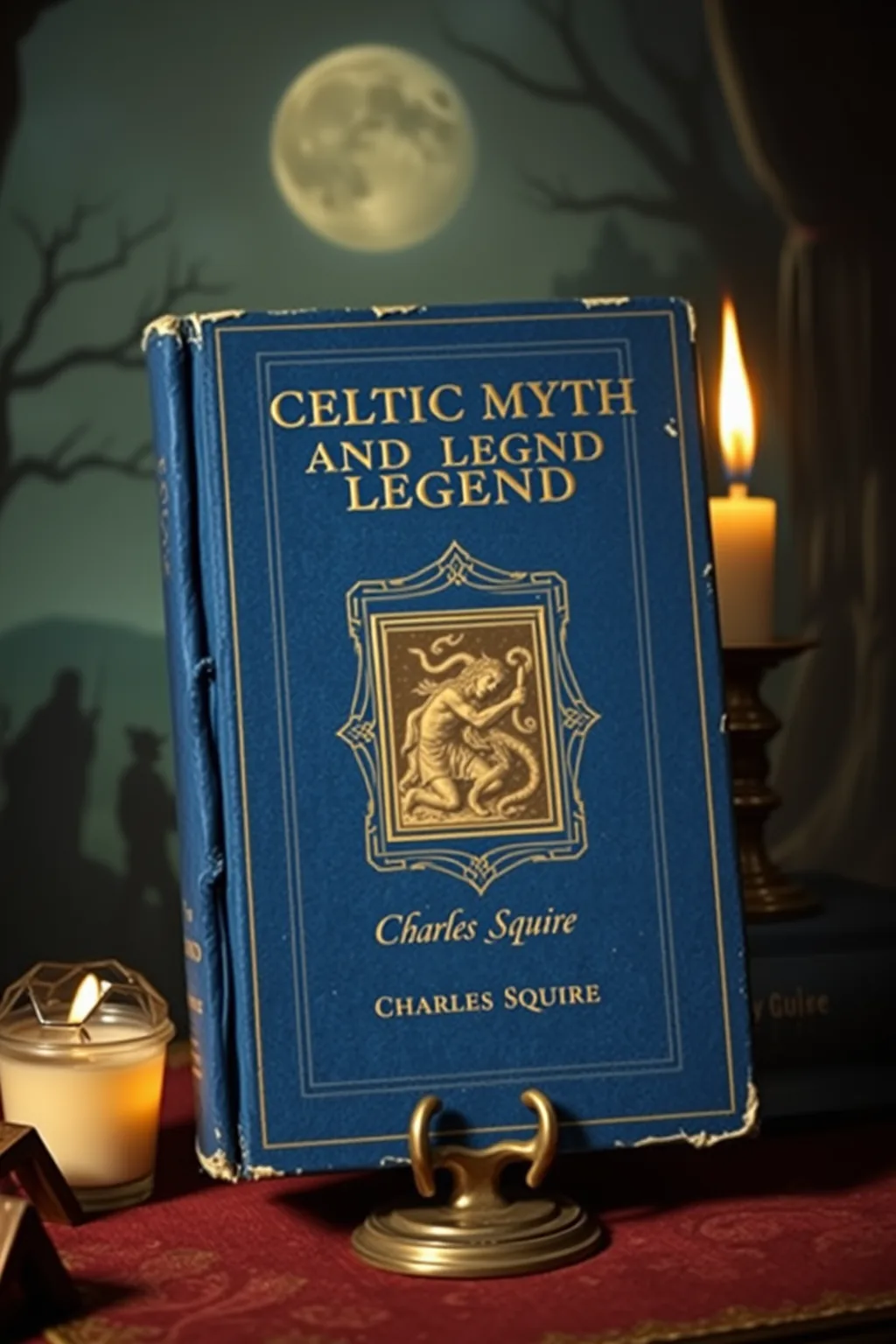
Charles Squire's 'Celtic Myth and Legend' first appeared in 1905, arguing British myths echo primal Pagan worship.
Originally published as 'The Mythology of the British Islands' in 1905, Charles Squire's work examines the mythology of Britain. Squire contended that these tales were not just stories but reflected a continuation of ancient Pagan veneration. He specifically linked the Celtic 'fairy faith' to the worship of older deities. The book details the sagas of the Gaelic pantheon and the gods of the British Isles, discussing their narratives and influence.
Squire's analysis connects the mythological figures and stories to the spiritual beliefs of early Celtic peoples. He sought to uncover the roots of these traditions within the historical and religious context of ancient Britain. The text covers a range of myths and legends, aiming to provide a coherent understanding of their origins and significance.
Published in the early 20th century, a period of significant interest in comparative mythology and occult studies, Squire's book fits within the broader esoteric tradition's engagement with ancient religions. It aligns with a tendency to see older, pre-Christian belief systems as a source of hidden spiritual knowledge. The interpretation of 'fairy faith' as a direct link to ancient gods reflects an esoteric approach that seeks continuity between historical Paganism and later folk beliefs, often viewing these as preserving a more authentic spiritual lineage.
✍️ Author
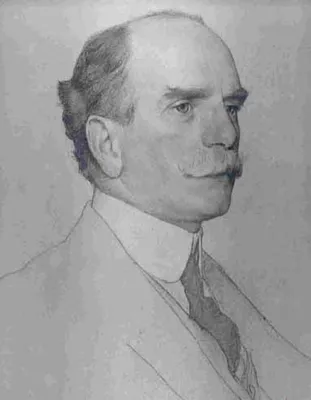
Charles Squire
Sir John Collings Squire (2 April 1884 – 20 December 1958) was an English writer, most notable as editor of the London Mercury, a major literary magazine in the interwar period. He antagonised several eminent authors, but attracted a coterie that was dubbed…
💡 Why Read This Book?
Unearth the profound connections between ancient paganism and the enduring Celtic fairy faith. This book illuminates the symbolic language of Celtic deities, offering esoteric insights into spiritual lineage and the archetypal forces that shape our world. Ideal for seekers of hidden knowledge, scholars of comparative mythology, and practitioners looking to deepen their understanding of ancestral spiritual practices.
⭐ Reader Reviews
Honest opinions from readers who have explored this book.
❓ Frequently Asked Questions
What is the primary argument of 'Celtic Myth and Legend'?
Squire argues that Celtic fairy faith is a direct continuation of ancient Pagan worship, with mythological figures representing surviving deities from pre-Christian eras.
What specific regions of Celtic mythology does the book cover?
The book delves into the mythologies of both the Gaelic and British Isles, exploring their distinct pantheons and narratives.
When was this book first published?
The book was first published in 1905, originally under the title 'The Mythology of the British Islands'.
Who is the intended audience for this book?
The book is ideal for students of mythology, folklore, ancient history, and those interested in esoteric traditions and the spiritual heritage of the British Isles.
Does the book provide practical applications for modern practitioners?
While primarily historical and analytical, the book offers deep symbolic insights that can inform modern spiritual practices and personal understanding of Celtic archetypes.
🔮 Key Themes & Symbolism
The Pagan Survival of the Fairy Faith
Squire's central thesis posits that the enchanting world of Celtic fairies is not mere folklore, but a sophisticated survival of ancient Pagan worship. He meticulously traces the lineage of these 'little folk' back to the venerated gods and goddesses of pre-Christian Britain and Ireland. This perspective reframes fairy lore from whimsical tales to potent elements of divine presence, suggesting a continuous stream of spiritual energy and belief that has persisted through centuries of cultural and religious change, offering a unique lens on the enduring power of archetypal forces.
The Gaelic and British Pantheons
This work provides an in-depth exploration of the divine beings that populated the mythic landscapes of the Gaelic and British Isles. Squire meticulously details the stories, attributes, and interrelationships of these ancient deities, revealing a complex cosmic order. By examining the pantheons separately and then drawing connections, the book illuminates the distinct yet often interwoven spiritual traditions that shaped the Celtic world. It serves as an invaluable guide for understanding the archetypal figures that embody the primal energies of nature, war, wisdom, and fertility within these rich mythic traditions.
Chronicles of Irish Mythology
The book offers a deep dive into the body of Irish mythology, presenting its chronologies as a vital pathway to understanding the island's spiritual heritage. Squire navigates the intricate sagas and genealogies, revealing how these narratives served as both historical records and spiritual blueprints for ancient societies. This focus on Irish accounts provides a crucial foundation for comprehending the development and transmission of Celtic myths, highlighting the enduring influence of these stories on the collective consciousness and offering insights into the cyclical nature of time and destiny as perceived by the ancient Celts.
💬 Memorable Quotes
Direct passages from the work, attributed to the author.
“The mythology of the British Islands is a complex collection woven from diverse threads.”
— This highlights the intricate and many-sided nature of Celtic myth, suggesting that its study requires understanding various influences and regional variations to appreciate its full scope.
“The ancient gods still whisper through the mists of time.”
— This evocative phrase suggests the enduring presence and subtle influence of the old deities, implying that their power and wisdom can still be accessed by those who attune themselves to the ancient currents of myth.
“To understand the fairy is to understand the divine.”
— This profound statement links the study of fairy lore directly to the veneration of the divine, reinforcing Squire's thesis that these beings are vestiges of ancient gods and goddesses.
💡 Key Ideas
Editorial paraphrase of the work's core concepts — not direct quotes.
The fairy faith is a survival of the worship of ancient gods and goddesses.
This quote expresses Squire's core argument, suggesting that the 'little folk' are not mere spirits but divine remnants of a forgotten pagan pantheon, their veneration continuing in a transformed guise.
In every tale of the supernatural, there is a kernel of forgotten truth.
This quote speaks to the esoteric interpretation of myth, implying that seemingly fantastical stories hold profound, often hidden, spiritual or historical knowledge waiting to be unearthed.
🌙 Esoteric Significance
Tradition
This work is deeply rooted in the Western Esoteric Tradition, particularly its branches focused on comparative mythology, folk magic, and nature-based spirituality. It bridges scholarly inquiry with an intuitive understanding of myth as a vehicle for spiritual knowledge. The book speaks to traditions that see ancient pantheons as not merely historical figures but as living archetypes and energetic forces that continue to influence the human psyche and the natural world, offering a pathway to reconnecting with ancestral spiritual currents.
Symbolism
The symbolism explored is rich and many-sided, encompassing the archetypal representations of nature spirits, divine beings, and the elemental forces that govern existence. Squire unpacks the symbolic meanings embedded within the myths of gods like the Dagda or Brigid, and the liminal figures of the fairy realm. These symbols serve as keys to understanding ancient cosmologies, the cycles of life and death, and the interconnectedness of the human and divine realms, providing a framework for interpreting the deeper, often hidden, spiritual messages within the narratives.
Modern Relevance
In an era increasingly seeking connection to nature, ancestral roots, and indigenous wisdom, 'Celtic Myth and Legend' offers profound relevance. It provides a scholarly yet accessible foundation for understanding the spiritual energies that continue to flow through the landscape and the collective unconscious of Celtic-influenced cultures. Modern practitioners of earth-based spirituality, neo-paganism, and those interested in symbolic psychology will find Squire's analysis important for deepening their practice and understanding of archetypal forces and the enduring power of myth in contemporary life.
👥 Who Should Read This Book
This important work is essential for several groups. **Scholars of mythology and folklore** will find Squire's meticulous research and original thesis important for academic study. **Seekers of esoteric knowledge** will be drawn to the book's exploration of pagan survivals and the hidden spiritual dimensions of Celtic tales. **Practitioners of earth-based spirituality and neo-paganism** will discover a rich source of archetypal symbolism and a deeper understanding of ancestral divine worship. **Beginners** interested in the magic and mystery of Celtic traditions will find it an engaging and foundational text that illuminates the profound depths beneath seemingly simple stories.
📜 Historical Context
Published in 1905, 'Celtic Myth and Legend' emerged during a period of intense interest in folklore, comparative mythology, and occult studies. The late Victorian and Edwardian eras saw a resurgence of fascination with ancient European cultures, particularly those perceived as more primal and mystical than the dominant industrial society. Scholars and enthusiasts alike were examining the roots of national identities and seeking spiritual connections to the past, often through the lens of esoteric traditions. Squire’s work contributed to this milieu by presenting a scholarly yet captivating argument for the pagan origins of widely recognized folklore, positioning Celtic myths not just as stories, but as living remnants of profound spiritual practices and beliefs that resonated deeply with a populace searching for meaning beyond the material world.
📔 Journal Prompts
Reflect on a modern-day encounter with nature or a place that felt imbued with ancient energy. How might this connect to Squire's ideas about the survival of pagan worship?
Choose a Celtic deity discussed in the book. What qualities do they embody, and how might these archetypes manifest in your own life or the world around you?
Squire suggests the 'fairy faith' is a continuation of god worship. How does this perspective change your view of folklore and local legends?
Consider the cyclical nature of time as presented in Irish myth. How does this contrast with or complement your own understanding of time and destiny?
If you were to create a modern ritual inspired by the Gaelic or British pantheons, what elements would you incorporate based on Squire's descriptions?
🗂️ Glossary
Fairy Faith
The belief in the existence and influence of fairies, often seen not as mere fantasy but as a continuation of ancient spiritual or divine veneration in Celtic cultures.
Paganism
A broad term encompassing polytheistic religions, often nature-centered, that predated or existed alongside Christianity in Europe, characterized by the worship of multiple gods and goddesses.
Gaelic Mythology
The body of myths, legends, and religious beliefs originating from the Gaelic peoples of Ireland, Scotland, and the Isle of Man, featuring distinct pantheons and epic cycles.
British Mythology
The collection of myths and legends associated with the pre-Christian peoples of the island of Britain, often distinct from, but sometimes overlapping with, Gaelic traditions.
Archetype
A primordial, universal symbol or motif that recurs in myth and literature, representing fundamental human experiences and psychological patterns, such as the 'divine warrior' or 'wise elder'.
This book appears in 1 collection
🔮 Readers Also Liked
Browse all →






From the “Transcendental Meditation” Collection
View all →





More Free Esoteric History & Biography Books
View all →