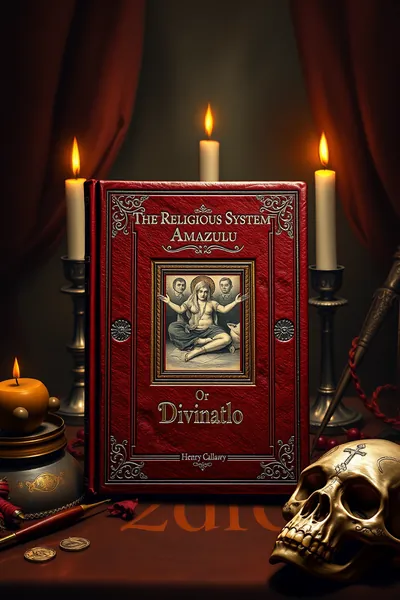
The religious system of the Amazulu

 79
79

The religious system of the Amazulu
Callaway’s compilation offers a rare, unfiltered glimpse into Zulu spiritual life as recorded in the mid-19th century. The strength of this work lies in its extensive use of direct testimony, presenting Zulu cosmology through their own narratives, a method that was progressive for its era. The sheer volume of detail concerning ancestral spirits (amadhlozi) and their influence on daily life provides a granular understanding often missing in broader surveys. However, the work is not without its limitations. The missionary perspective, though striving for objectivity, subtly frames the material, and the organization can feel somewhat piecemeal, reflecting the challenges of early ethnographic data collection. A particularly striking section details the intricate belief surrounding the Ukuthwasa, the process of becoming a healer, which reveals a complex psychospiritual initiation. The book serves as an invaluable, albeit historically situated, primary source for understanding traditional Zulu belief, though it demands a critical reading aware of its origins. It is an essential, if challenging, primary document for serious study.
📝 Description
79
### What It Is 'The Religious System of the Amazulu,' first published in 1868 by Henry Callaway, presents a detailed ethnographic account of the spiritual beliefs, customs, and societal structures of the Zulu people of Southern Africa. It is not a theological treatise but a compilation of observations, interviews, and transcribed narratives collected by Callaway, a missionary working among the Zulu. The work aims to document the indigenous cosmology, including their understanding of the divine, the spirit world, ancestral veneration, and the rituals that governed their lives. Its foundation lies in the direct testimony of the Zulu people themselves, rendered into written form.
### Who It's For This volume is intended for scholars of African religions, ethnographers, anthropologists, and historians of colonialism. It appeals to those interested in the pre-colonial belief systems of indigenous peoples and the methodologies employed in early ethnographic studies. Researchers examining the intersection of missionary work and cultural documentation will find it particularly valuable. Those with a specific interest in Zulu culture, mythology, and the historical context of missionary encounters in 19th-century Natal will also benefit from its contents.
### Historical Context Published in 1868, 'The Religious System of the Amazulu' emerged during a period of intense European colonial expansion and missionary activity across Africa. The 19th century saw a burgeoning interest in understanding non-Western cultures, often viewed through a lens of European superiority. Callaway's work, while aiming for detailed documentation, inherently reflects the biases and perspectives of its time and author. It was part of a broader European discourse attempting to categorize and comprehend global belief systems, often in parallel with figures like Sir Richard Burton, who also explored diverse cultural practices, though often with a more adventurous, less systematic ethnographic bent. The reception of such works was mixed; some lauded them as vital records, while others critiqued their colonial framing.
✍️ Author
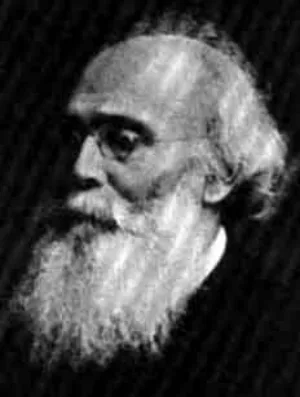
Henry Callaway
The Religious System of the Amazulu (1870), by Henry Callaway, describes the beliefs of the Amazulu people. It was written in both English and Zulu.
💡 Why Read This Book?
• Gain direct exposure to the intricate cosmology of the Zulu people as documented in 1868, offering insights into concepts like amadhlozi (ancestral spirits) that shaped their worldview. • Understand the historical methodology of early ethnography by examining Callaway's approach to collecting and presenting indigenous beliefs during a period of colonial expansion. • Explore the complex initiation process of Ukuthwasa, as detailed within the text, revealing a unique spiritual and psychological journey distinct from Western models.
⭐ Reader Reviews
Honest opinions from readers who have explored this book.
❓ Frequently Asked Questions
What is the primary focus of Henry Callaway's 'The Religious System of the Amazulu'?
The book focuses on documenting the spiritual beliefs, customs, ancestral veneration practices, and societal structures of the Zulu people in 19th-century Southern Africa, based on extensive interviews and observations.
When was 'The Religious System of the Amazulu' first published?
The work was first published in 1868, making it a significant early ethnographic record of Zulu culture during the period of intense European missionary activity.
Who was Henry Callaway and what was his role?
Henry Callaway was a missionary who lived and worked among the Zulu people in Natal, Southern Africa. His role was to document their indigenous religious system through direct engagement and transcription.
What are 'amadhlozi' as discussed in the book?
Amadhlozi are the ancestral spirits central to Zulu belief. The book details how these spirits were thought to influence the living, requiring appeasement and veneration through specific rituals.
Is 'The Religious System of the Amazulu' considered a primary source?
Yes, it is considered a crucial primary source for understanding Zulu religious systems and early ethnographic practices, though it requires critical reading due to the author's perspective.
What is the Ukuthwasa concept presented in the book?
Ukuthwasa refers to the complex process of becoming a diviner or healer within Zulu society, involving spiritual calling, initiation, and transformation, which Callaway meticulously describes.
🔮 Key Themes & Symbolism
Ancestral Veneration (Amadhlozi)
The work extensively details the paramount importance of amadhlozi, the spirits of deceased ancestors, in Zulu life. Callaway meticulously records beliefs surrounding their influence on health, fortune, and misfortune. The Zulu appeased these spirits through rituals, sacrifices, and maintaining proper social conduct, viewing them as intermediaries between the living and the divine. This theme underscores a worldview where the spiritual and material realms are deeply interconnected, with ancestors playing an active, governing role in the community's affairs.
Cosmology and Creation Myths
Callaway presents the Zulu understanding of the universe's origins and structure. This includes concepts of a supreme being, Unkulunkulu, and the complex hierarchy of spirits and natural forces. The narratives collected often explain natural phenomena, human existence, and societal order through mythological accounts. The book reveals a sophisticated indigenous cosmology that provided a framework for understanding the world and humanity's place within it, predating external religious influences.
The Role of Diviners and Healers (Ukuthwasa)
A significant portion of the text is dedicated to the intricate process of Ukuthwasa, the calling and training of diviners (izangoma) and healers. Callaway documents the symbolic dreams, spiritual afflictions, and arduous initiations required. This section highlights the crucial social and spiritual function of these individuals, who acted as diagnosticians, spiritual guides, and preservers of tradition, often diagnosing ailments as spiritual imbalances caused by ancestral displeasure.
Ritual and Social Order
The book illustrates how ritual practices were interwoven with the maintenance of social order and the regulation of daily life among the Zulu. From agricultural rites to ceremonies addressing illness or death, these practices reinforced communal bonds and spiritual connections. Callaway's documentation reveals a society where religious belief was not separate from the secular but formed the very foundation of its structure and continuity.
💬 Memorable Quotes
“The Zulu believe that the spirits of the dead are always looking on them, and are always present with them.”
— This paraphrase highlights the pervasive belief in ancestral presence, a core concept where the spiritual realm actively influences the daily lives and actions of the living Zulu community.
“Ukuthwasa is a calling that is not chosen, but imposed by the spirits.”
— This captures the essence of the healer's initiation, emphasizing that the path to becoming a diviner or healer was seen as a spiritual mandate rather than a personal career choice.
“Unkulunkulu is spoken of as the creator of all things.”
— This statement points to the supreme deity within Zulu cosmology, identifying Unkulunkulu as the ultimate source and originator of the universe and its inhabitants.
“The izangoma (diviners) are the interpreters between the people and the amadhlozi.”
— This interpretation defines the critical function of diviners as conduits, facilitating communication and understanding between the human community and the ancestral spirits.
“Many diseases are attributed to the anger or displeasure of the ancestors.”
— This paraphrase illustrates the direct link made between physical or mental afflictions and the spiritual realm, suggesting that illness often served as a sign of ancestral discontent.
🌙 Esoteric Significance
Tradition
While not explicitly aligned with a specific Western esoteric lineage like Hermeticism or Kabbalism, Callaway's work is foundational for the study of indigenous African spiritual systems, which themselves possess complex, often esoteric, dimensions. It serves as a critical resource for understanding animistic and shamanistic traditions that inform various modern esoteric practices seeking to integrate non-Western cosmologies. Its value lies in providing empirical data on belief systems that operate on principles of energetic interconnectedness, spiritual agency, and cyclical time, concepts resonant within many esoteric frameworks.
Symbolism
Central symbols include the ancestral spirits (amadhlozi), representing a direct link to the past and the spiritual continuum of life. The concept of Ukuthwasa itself is deeply symbolic, representing a profound transformation and integration of spiritual power necessary for healing and divination. Natural elements and animal totems, though perhaps less explicitly detailed by Callaway, likely held significant symbolic weight within the broader Zulu spiritual context, signifying forces and ancestral connections.
Modern Relevance
Contemporary practitioners of Neo-Shamanism, Afrocentric spirituality, and comparative religion frequently reference Callaway's work. It provides a crucial historical anchor for understanding the roots of traditions that continue to influence spiritual practices today. Scholars and practitioners exploring indigenous psychologies, ancestral healing modalities, and traditional African medicine draw upon its detailed accounts of cosmology and healing rituals, seeking to revive and understand these ancient systems in modern contexts.
👥 Who Should Read This Book
• Students of African Religions and Anthropology: Those seeking foundational ethnographic texts on pre-colonial Zulu belief systems will find this an indispensable primary source. • Researchers of Indigenous Psychologies: Individuals interested in how non-Western cultures understand consciousness, illness, and healing will benefit from the detailed descriptions of Ukuthwasa. • Comparative Religion Scholars: This work offers critical insights into indigenous spiritual frameworks, allowing for comparisons with global religious and mystical traditions.
📜 Historical Context
Published in 1868, 'The Religious System of the Amazulu' emerged during a pivotal era of Victorian anthropology and missionary endeavors in Southern Africa. The mid-19th century was characterized by a fervent European interest in cataloging the world's diverse cultures, often through the lens of comparative religion and nascent anthropological theories. Henry Callaway, a missionary in Natal, aimed to meticulously document Zulu beliefs, a project that paralleled broader scholarly efforts to understand indigenous societies. His work engaged with the intellectual currents of the time, which sought to classify and often rationalize non-Western spiritual systems. While Callaway’s detailed approach was valued, it occurred within a colonial context where the perceived 'otherness' of African beliefs was a dominant theme. This period also saw figures like J.F. Maclear championing ethnographic collection, influencing how such works were received and disseminated. The book’s significance lies in its attempt to record an oral tradition before its potential erosion by colonial influence, providing a vital, though historically situated, ethnographic record.
📔 Journal Prompts
The perceived influence of amadhlozi on daily Zulu life.
The symbolic journey of Ukuthwasa as a spiritual calling.
Unkulunkulu's role in the Zulu creation narrative.
The connection between ritual practices and social cohesion.
Callaway's methodology in documenting Zulu beliefs in 1868.
🗂️ Glossary
Amadhlozi
The Zulu term for ancestral spirits, considered vital intermediaries who influence the lives of the living and require respect and appeasement.
Unkulunkulu
The supreme being in Zulu cosmology, often described as the creator of all things and the first ancestor.
Ukuthwasa
The spiritual calling and subsequent initiation process for becoming a diviner (isangoma) or healer within Zulu society.
Isangoma
A traditional Zulu diviner or healer, trained through the Ukuthwasa process, who communicates with ancestral spirits.
Ukuphahla
A ritual of appeasement and communication with ancestral spirits, often involving libations or offerings.
Natal
The historical region in Southern Africa where Henry Callaway conducted his missionary work and collected the material for this book.
Ethnography
The scientific description of the customs of individual peoples and cultures, a method Callaway employed in documenting Zulu life.