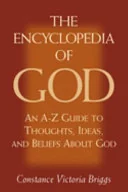
The Encyclopedia of God
 79
79

The Encyclopedia of God
Constance Victoria Briggs’s "The Encyclopedia of God" is less an argument and more a meticulously curated archive of human thought on the divine. Its strength lies in the sheer breadth of individuals Briggs consulted, presenting a striking panorama of perspectives. For instance, the sections detailing God's relationship with figures like Hildegard of Bingen offer concrete historical anchors. However, the encyclopedic format, while informative, can sometimes feel detached, lacking a strong authorial voice to guide the reader through the sheer volume of material. The work explores the idea of divine intervention by referencing historical accounts, but often leaves the interpretation entirely to the reader. Ultimately, it serves as a valuable, if dense, resource for those seeking to map the contours of theological imagination.
📝 Description
79
### What It Is Constance Victoria Briggs's "The Encyclopedia of God" functions as a comprehensive compilation, gathering perspectives on divinity from a vast array of sources. Published initially in 2003, it surveys the thoughts of hundreds of individuals, spanning scholars, religious figures, mystics, artists, and public personalities. The work aims to present a multifaceted view of God by cataloging historical and speculative acts attributed to the divine, as well as God's interactions with significant spiritual figures throughout history.
### Who It's For This reference is intended for serious students of comparative religion, spirituality, and esoteric philosophy. Readers interested in understanding the diverse conceptualizations of God across different cultures, historical periods, and personal belief systems will find value. It appeals to those who appreciate a scholarly yet accessible approach to complex theological and metaphysical questions, particularly those who enjoyed Briggs's prior work on angels.
### Historical Context The early 2000s saw a continued interest in synthesizing esoteric traditions with mainstream religious and philosophical inquiry. Briggs's work emerged during a period where authors like Richard Dawkins were challenging traditional religious frameworks, while others, such as Karen Armstrong, were exploring the historical evolution of religious ideas. "The Encyclopedia of God" offered a bridge, presenting a broad spectrum of beliefs without necessarily adhering to a single doctrine, situating itself within a lineage of encyclopedic works on spiritual subjects that began with figures like Helena Blavatsky in the late 19th century.
### Key Concepts The book explores the concept of God through various lenses, including divine immanence and transcendence, the nature of divine revelation, and the historical progression of God-concepts. It examines God's perceived role in creation, salvation, and prophecy, drawing parallels and contrasts between different theological frameworks. A central idea is the presentation of God not as a monolithic entity but as a concept understood and experienced in myriad ways across human history.
💡 Why Read This Book?
• You will gain a comprehensive overview of divine conceptualizations, learning how figures like John of the Cross understood God's presence, offering a unique perspective beyond singular religious doctrines. • You can explore the historical chronicle of divine acts as presented by Briggs, understanding how events from the Council of Nicaea to speculative future occurrences are viewed through a theological lens. • You will discover the diverse interpretations of God's relationship with prophets, saints, and mystics, gaining insight into how figures like Julian of Norwich experienced divine connection.
⭐ Reader Reviews
Honest opinions from readers who have explored this book.
❓ Frequently Asked Questions
What is the primary focus of "The Encyclopedia of God" by Constance Victoria Briggs?
The book is a reference work that compiles and reviews the thoughts of hundreds of scholars, mystics, religious authorities, and writers on the nature of God and God's relationship with humanity.
When was "The Encyclopedia of God" first published?
Constance Victoria Briggs's "The Encyclopedia of God" was first published in 2003.
Who are some of the types of people whose views on God are included in the book?
The book includes perspectives from scholars, religious authorities, mystics, writers, saints, prophets, philosophers, poets, and celebrities, offering a wide range of viewpoints.
Does "The Encyclopedia of God" present a single theological viewpoint?
No, the work aims to present a diverse array of thoughts and interpretations on God, rather than advocating for a single theological position.
Is "The Encyclopedia of God" related to "The Encyclopedia of Angels"?
Yes, "The Encyclopedia of God" is by the same author, Constance Victoria Briggs, who also wrote the popular "The Encyclopedia of Angels."
What kind of information can readers expect regarding God's actions?
Readers can find a chronicle of acts attributed to God, both past and speculative future events, as well as God's historical relationship with holy individuals.
🔮 Key Themes & Symbolism
Divine Attributes and Manifestations
The work meticulously catalogs how divinity has been conceived across history and cultures. It examines attributes ascribed to God, such as omnipotence, omnipresence, and love, drawing from theological texts, mystical experiences, and philosophical discourse. Briggs highlights how these attributes are understood through divine actions, prophecies, and relationships with humanity, referencing figures who claimed direct divine interaction.
God's Interaction with Humanity
A significant theme is the chronicle of God's perceived engagements with human history and individuals. The book details divine covenants, interventions, and revelations as understood through the lens of saints, prophets, and mystics. It explores the nature of this relationship, from divine guidance offered to figures like Moses to the personal spiritual encounters documented by figures such as Teresa of Ávila.
Comparative Theological Frameworks
Briggs presents a broad spectrum of theological and philosophical approaches to understanding God. The encyclopedia contrasts monotheistic, pantheistic, and panentheistic views, alongside mystical interpretations that often transcend traditional dogma. It showcases how different traditions, from Abrahamic faiths to more esoteric philosophies, conceptualize the divine source of existence.
The Evolution of God Concepts
The work implicitly tracks the development and diversification of the concept of God over time. By citing historical figures and intellectual movements, it illustrates how societal changes, philosophical inquiry, and spiritual awakenings have shaped human understanding of the divine. It explores both the enduring aspects of God-concepts and their fluid, evolving nature.
💬 Memorable Quotes
“The divine is understood through its acts, past and future.”
— This interpretation highlights the book's focus on divine agency. It suggests that God's nature is revealed not just through theological descriptions but through observable (or believed-to-be-observable) interventions and historical narratives.
“Mystics offer a unique conduit to comprehending God.”
— This paraphrase emphasizes the book's inclusion of mystical experiences as a valid source of knowledge about the divine, positioning mystics as vital interpreters of God's essence.
“God's relationship with saints provides a historical map of divine influence.”
— This reflects the book's approach to documenting divine interaction, framing the lives and experiences of holy figures as case studies in the practical application and manifestation of divine will or presence.
“Philosophers and poets frame the abstract nature of God.”
— This highlights the book's interdisciplinary approach, acknowledging that God's concept is explored not only in religious doctrine but also through the intellectual and artistic expressions of thinkers and creators.
“The encyclopedia chronicles diverse human perceptions of the divine.”
— This interpretation underscores the book's primary function as a compilation, emphasizing its role in gathering and presenting the vast spectrum of human thought and belief regarding the ultimate reality.
🌙 Esoteric Significance
Tradition
This work fits within the broader Western Esoteric Tradition, particularly its syncretic and comparative aspects. It draws upon Hermetic, Neoplatonic, Gnostic, and Kabbalistic ideas by exploring diverse divine emanations and the human quest for union with the Absolute. Briggs synthesizes these streams by presenting a vast array of perspectives, acting as a bridge between academic theology and esoteric interpretations of divinity.
Symbolism
While not heavily focused on symbolic interpretation, the book implicitly engages with symbols of divine unity and multiplicity. Concepts like the "Logos" (divine reason or word) and the idea of God as both "Alpha and Omega" are explored, representing the originating principle and the encompassing totality of existence, fundamental to many mystical traditions.
Modern Relevance
Contemporary spiritual seekers, comparative religion scholars, and practitioners of modern esoteric paths often use "The Encyclopedia of God" as a foundational reference. Its inclusive approach provides a framework for understanding diverse spiritual experiences and theological concepts, aiding in the development of personalized spiritual philosophies and cross-traditional dialogues.
👥 Who Should Read This Book
• Students of comparative religion and theology seeking a broad overview of divine concepts across cultures and historical periods. • Esoteric practitioners and philosophers interested in the diverse ways divinity has been conceptualized by mystics, saints, and occultists throughout history. • Readers of Constance Victoria Briggs's "The Encyclopedia of Angels" who wish to explore the author's broader work on spiritual and metaphysical subjects.
📜 Historical Context
Published in 2003, "The Encyclopedia of God" emerged at a time of significant global dialogue about faith and spirituality. The early 21st century saw a resurgence of interest in comparative religion and esoteric studies, partly as a counterpoint to secularization trends and partly in response to geopolitical events that highlighted religious divides. Briggs's work followed in the tradition of comprehensive spiritual encyclopedias, echoing the ambitious scope of works from the Theosophical movement, such as Helena Blavatsky's "The Secret Doctrine" (1888). It also appeared amidst a burgeoning New Age and alternative spirituality scene, offering a more structured, scholarly approach than many contemporary spiritual guides. While not directly engaging in public debates with figures like Richard Dawkins, its comprehensive survey implicitly provided a rich resource for understanding the diversity of belief systems he often critiqued.
📔 Journal Prompts
The chronicle of God's acts, past and future, as presented in the work.
Divine relationship with saints and prophets, such as Hildegard of Bingen.
The diverse philosophical and mystical interpretations of God's nature.
The concept of God as described by both scholars and poets.
Briggs's synthesis of different theological frameworks regarding divinity.
🗂️ Glossary
Divine Immanence
The concept that God is present within the material universe and human experience, pervading all of creation rather than being entirely transcendent or separate.
Divine Transcendence
The principle that God exists beyond the material universe and human understanding; God is separate from and independent of the world and its limitations.
Mysticism
A religious or spiritual practice or belief that seeks direct, intuitive knowledge of or communion with ultimate reality or God, often through altered states of consciousness.
Theology
The systematic study of the nature of the divine, religious belief, and religious practice. It often involves rational inquiry into religious questions and doctrines.
Pantheism
The belief that reality is identical with divinity, or that all things compose an all-encompassing, immanent God. The universe is God.
Panentheism
The belief that the divine encompasses the universe but also transcends it. The universe is in God, and God is in the universe, but God is also more than the universe.
Prophecy
The foretelling or explanation of future events, often seen as divinely inspired communication from God to humanity.