Tarot Therapy
 62
62

Tarot Therapy



Silas Hawthorne (Hermetic Studies Editor) — Steve Hounsome's "Tarot Therapy" transcends the typical compendium, offering a deeply insightful exploration of the Tarot's therapeutic and esoteric dimensions. Hounsome masterfully weaves together Jungian psychology with Hermetic principles, presenting the cards as vibrant archetypes that facilitate profound self-understanding and personal transformation. His approach emphasizes the Tarot's capacity to illuminate unconscious patterns and guide the seeker towards integration and wholeness. This work is an invaluable resource for practitioners and serious students of the esoteric arts who seek to engage with the Tarot on a soul-level, moving beyond mere fortune-telling into the realm of spiritual alchemy. It is a testament to the enduring power of these ancient symbols.
📝 Description
Embark on a profound journey into the heart of the Tarot with Steve Hounsome's "Tarot Therapy." This illuminating volume unfurls the ancient tapestry of the cards, revealing them not merely as tools of divination, but as potent keys to unlocking the hidden chambers of the human psyche. Delve into the rich symbolism and archetypal energies that have guided seekers for centuries, exploring how each card acts as a mirror to our inner landscape, reflecting our deepest desires, fears, and latent potentials. Hounsome masterfully navigates the esoteric currents that flow through the Tarot, offering a lens through which to understand the universal patterns of existence and the intricate dance of fate and free will. This book is an invitation to a sacred conversation with the wisdom of the ages, a guide for those who yearn to move beyond superficial readings and engage with the Tarot as a profound instrument of self-discovery, spiritual growth, and holistic healing. Prepare to witness the archetypal dramas unfold, not just on the cards, but within the very essence of your being.
✍️ Author
Steve Hounsome
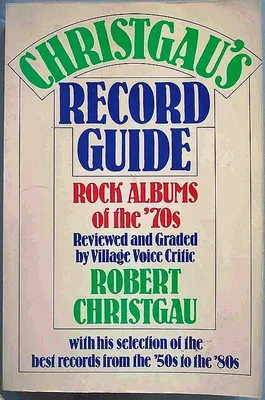
Christgau's Record Guide: Rock Albums of the Seventies is a music reference book by American music journalist and essayist Robert Christgau. It was first published in October 1981 by Ticknor & Fields.
💡 Why Read This Book?
Discover the Tarot as a profound mirror to your inner world. "Tarot Therapy" offers a unique blend of psychological insight and esoteric wisdom, guiding you towards self-discovery and healing. Ideal for seekers, therapists, and anyone yearning for deeper meaning, this book transforms card reading into a sacred dialogue with your soul, revealing hidden potentials and fostering personal evolution through ancient symbolism.
⭐ Reader Reviews
Honest opinions from readers who have explored this book.
❓ Frequently Asked Questions
Is "Tarot Therapy" suitable for beginners?
Absolutely. While rich in esoteric depth, the book provides clear explanations and a gentle approach, making it accessible for those new to Tarot, while still offering profound insights for experienced practitioners.
What makes this book different from other Tarot guides?
"Tarot Therapy" distinguishes itself by focusing on the Tarot's therapeutic potential and its deep connection to psychological and spiritual growth, rather than solely on predictive divination. It emphasizes self-exploration and integration.
Does the book require prior knowledge of psychology?
No prior formal psychological knowledge is required. Steve Hounsome explains concepts in an accessible manner, integrating them with Tarot symbolism for a holistic understanding of the inner landscape.
Can "Tarot Therapy" be used for personal growth outside of professional therapy?
Yes, the book is specifically designed for individual exploration. The prompts and interpretations encourage a personal journey of self-awareness, healing, and empowerment, applicable to anyone seeking personal development.
What esoteric traditions are referenced in the book?
The book draws from a rich tapestry of esoteric traditions, including Hermeticism, Jungian psychology, and archetypal symbolism, weaving them into a comprehensive framework for understanding the Tarot.
🔮 Key Themes & Symbolism
Archetypal Psychology and the Tarot
This theme delves into the profound connection between the Tarot's archetypal imagery and the universal patterns of the human psyche, as explored through the lens of Carl Jung's theories. It examines how each Major Arcana card represents fundamental human experiences, stages of development, and the shadow aspects that reside within us all. The book illuminates how understanding these archetypes through Tarot can foster self-awareness, integrate fragmented parts of the self, and lead to a more complete and authentic life. The cards become a symbolic map, guiding the reader through the labyrinth of their own consciousness towards individuation and wholeness.
The Tarot as a Tool for Inner Alchemy
Explore the transformative power of the Tarot as an instrument of inner alchemy, a process of spiritual purification and refinement. "Tarot Therapy" presents the cards as catalysts for profound personal change, enabling individuals to transmute lower energies into higher consciousness. This theme focuses on how interpreting Tarot readings can reveal the hidden obstacles to one's spiritual path and provide guidance on navigating challenges, fostering resilience, and cultivating virtues. It's about using the symbolic language of the Tarot to consciously engage with one's inner world, transforming limitations into strengths and embracing a path of spiritual evolution and self-mastery.
Symbolism and Esoteric Wisdom of the Cards
This theme immerses the reader in the rich, multi-layered symbolism embedded within the Tarot. It goes beyond surface meanings to uncover the esoteric wisdom encoded in each card's imagery, numerology, and astrological associations. Readers will learn to decipher the hidden dialogues between the cards, understanding how they represent cosmic laws, spiritual principles, and the intricate web of interconnectedness that governs existence. The book reveals the Tarot as a sacred text, offering profound insights into the nature of reality, the soul's journey, and the divine currents that shape our lives, encouraging a deeper, more intuitive engagement with this ancient oracle.
💬 Memorable Quotes
“The Tarot is not merely a deck of cards, but a mirror reflecting the soul's deepest truths.”
— This quote emphasizes the book's core thesis: the Tarot's primary function is introspective, serving as a profound tool for self-examination and revelation of one's inner reality.
“Within the Fool's journey lies the blueprint for our own unfolding.”
— Highlighting the archetypal narrative of the Fool, this quote suggests that the Tarot's structure mirrors the universal path of human development and personal growth.
“Each card whispers secrets of the unconscious, waiting to be heard.”
— This evokes the mystical and psychological aspect of Tarot, portraying the cards as conduits of hidden knowledge from the subconscious mind, accessible through attentive interpretation.
“The Tarot offers a sacred dialogue, a bridge between the visible and the veiled.”
— This quote underscores the Tarot's role as a spiritual medium, facilitating communication and understanding between the mundane world and the unseen realms of wisdom and spirit.
“Alchemy begins not in the crucible, but within the heart, guided by the cards.”
— This profound statement links the esoteric practice of alchemy to inner transformation, suggesting that the Tarot acts as a guide in this internal alchemical process of spiritual refinement.
🌙 Esoteric Significance
Tradition
This work is deeply rooted in the Hermetic tradition, which posits that the universe is governed by immutable laws and that human consciousness can align with these principles for spiritual evolution. It also draws heavily from Jungian archetypal psychology, viewing the Tarot cards as representations of universal human experiences and unconscious drives. The book bridges these traditions, presenting the Tarot as a sacred map for navigating the inner landscape and achieving psychological and spiritual integration, a cornerstone of many esoteric paths.
Symbolism
The esoteric significance lies in the profound symbolism of the Tarot. Each card, from the Majors to the Minors, is imbued with layers of meaning derived from ancient mythologies, astrology, numerology, and Kabbalistic principles. These symbols act as keys to unlocking the hidden wisdom of the universe and the human psyche. Hounsome guides the reader to interpret this rich tapestry of imagery, revealing how the archetypal figures and narrative arcs of the Tarot reflect the soul's journey, the interplay of cosmic forces, and the path towards enlightenment and self-realization.
Modern Relevance
In an age often characterized by disconnection and superficiality, "Tarot Therapy" offers a potent antidote. Its modern relevance lies in its ability to provide a framework for profound self-reflection, emotional healing, and spiritual grounding. By treating the Tarot as a tool for psychological integration and inner alchemy, the book empowers individuals to navigate the complexities of contemporary life with greater awareness, resilience, and purpose. It demonstrates how ancient esoteric wisdom remains profoundly applicable to understanding and transforming the modern human condition.
👥 Who Should Read This Book
This book is a treasure for a diverse audience. For the **beginner** Tarot enthusiast, it offers a foundational understanding that moves beyond rote memorization, fostering genuine connection with the cards. **Scholars** of esoteric traditions will find a nuanced synthesis of psychology and mysticism, enriching their academic pursuits. **Seekers** of spiritual growth and self-knowledge will discover a profound pathway to inner exploration and personal transformation. Finally, **practitioners** in fields like therapy, coaching, or spiritual guidance will find invaluable insights and methodologies to enhance their work with clients, using the Tarot as a potent therapeutic agent.
📜 Historical Context
Steve Hounsome's "Tarot Therapy" emerges from a rich tradition of esoteric thought that flourished throughout the late 19th and 20th centuries, a period marked by a resurgence of interest in ancient mysteries, mysticism, and psychological exploration. Influenced by figures like Eliphas Lévi, Arthur Edward Waite, and later, Carl Jung, the book positions the Tarot not just as a divinatory tool but as a profound symbolic system deeply intertwined with Hermeticism, Kabbalah, and archetypal psychology. This era saw a shift from purely predictive uses of the Tarot to an understanding of its potential for personal growth and self-discovery. Hounsome builds upon this legacy, integrating modern psychological insights with timeless esoteric principles to create a comprehensive guide for therapeutic and spiritual engagement with the cards.
📔 Journal Prompts
Reflect on the 'Fool's Journey' in your own life. Where are you on your path, and what lessons are emerging?
Choose a card that resonates with a current challenge. How does its symbolism offer a new perspective or potential solution?
Examine the 'Shadow' aspects represented by certain cards. What hidden parts of yourself are calling for acknowledgment and integration?
How can the archetypal energies of the 'Court Cards' inform your relationships and interactions with others?
Consider the 'Temperance' card. In what areas of your life can you cultivate greater balance, harmony, and integration?
🗂️ Glossary
Archetype
Universal, archaic patterns and images that derive from the collective unconscious and are the psychic counterpart of the instinct. In Tarot, these are embodied by the figures and symbols on the cards.
Inner Alchemy
A metaphorical process of transforming base or lower aspects of the self (e.g., negative emotions, limiting beliefs) into higher states of consciousness, wisdom, and spiritual purity.
Hermeticism
A philosophical and religious tradition based on the purported teachings of Hermes Trismegistus, emphasizing spiritual wisdom, the interconnectedness of all things, and the potential for human beings to achieve divine knowledge.
The Unconscious
In Jungian psychology, the part of the mind that is inaccessible to the conscious mind but affects behavior and feelings. The Tarot is seen as a language that can communicate with and illuminate the unconscious.
Individuation
The psychological process of integrating the conscious and unconscious aspects of the self to achieve a unified personality and a greater sense of wholeness and authenticity.