The Hermetic Museum
 74
74

The Hermetic Museum

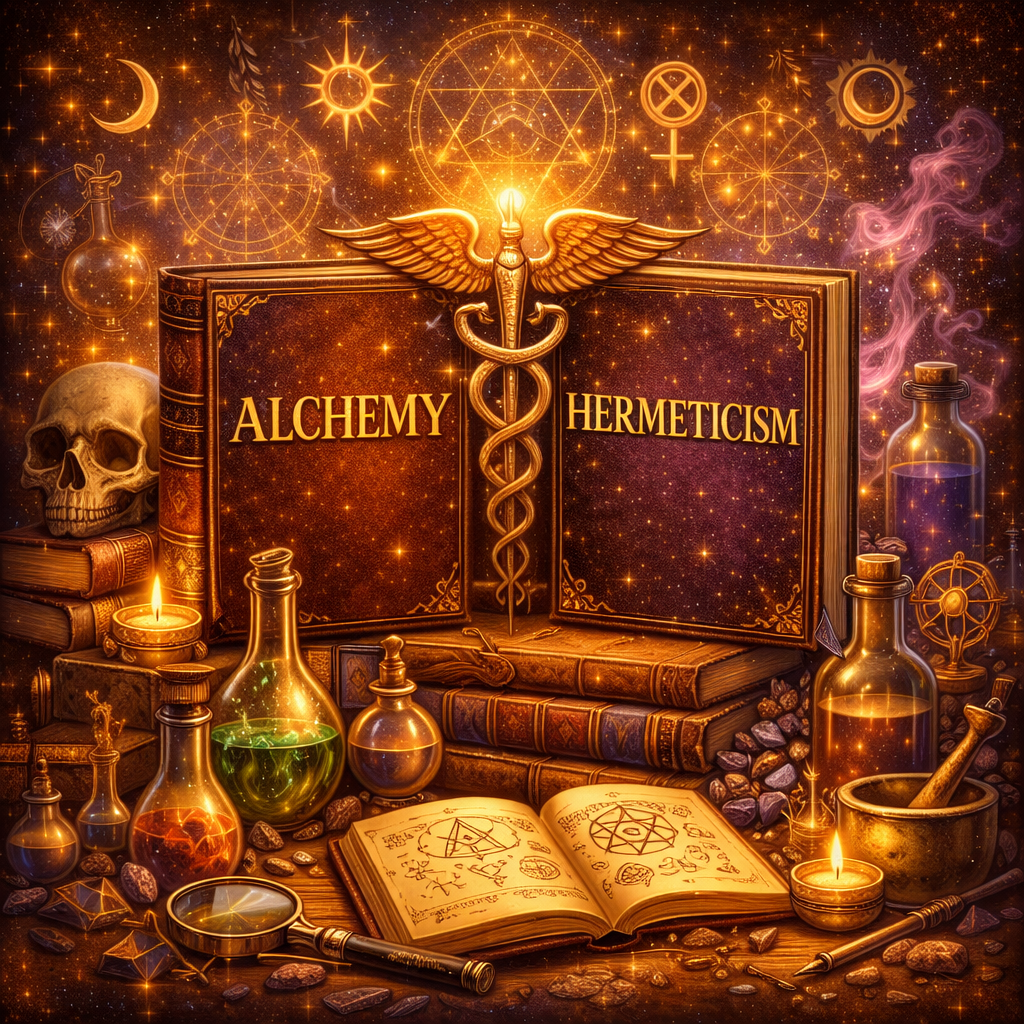

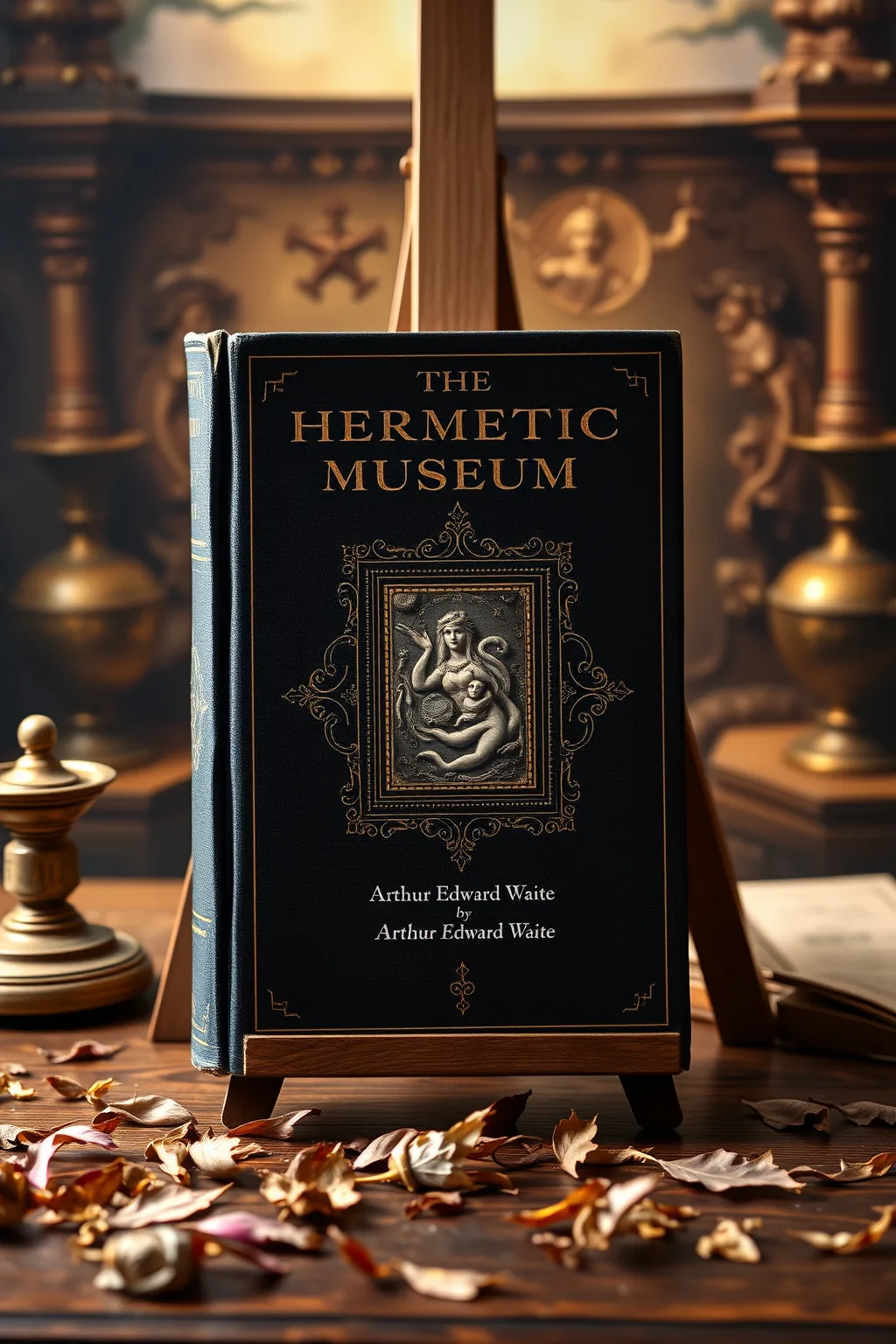
Arthur Edward Waite's 'The Hermetic Museum' stands as a monumental achievement in alchemical literature. Evander Ashcroft, Alchemy & Hermeticism Editor, praises Waite's masterful curation, deeming this illustrated edition a vital gateway to the esoteric traditions. Waite's scholarly yet accessible approach ensures that the dense, often cryptic, alchemical tracts are not only preserved but illuminated for contemporary readers. The book masterfully unpacks the philosophical and symbolic dimensions of the Great Work, offering profound insights into transformation and spiritual evolution. It is an essential text for serious students of alchemy, hermeticism, and the history of Western esotericism, providing a rich tapestry of primary source material vital for advanced study.
📝 Description
74
Arthur Edward Waite published 'The Hermetic Museum' in 1903, collecting significant alchemical texts.
Arthur Edward Waite's 'The Hermetic Museum' presents a collection of key alchemical writings, originally published in 1903. Waite, a scholar of the occult, compiled and translated these texts, aiming to make them accessible to a contemporary audience interested in European alchemy. The book includes treatises that discuss the symbolic language and philosophical ideas central to the alchemical pursuit of the Great Work. Waite's own introductions and annotations provide context for the historical and spiritual dimensions of these ancient practices. The volume is intended for readers seeking a direct engagement with primary alchemical sources and their underlying esoteric meanings.
This compilation features works that illustrate the alchemists' focus on transformation, both material and spiritual. Waite's approach highlights the symbolism embedded within alchemical literature, linking it to broader currents of mystical thought. The collection serves as a resource for understanding the historical development and intellectual framework of Western esotericism through the lens of alchemy. It is a significant compilation for those studying the history of alchemy and its place within Western mystical traditions.
This work is situated within the tradition of Western esotericism, specifically focusing on alchemy as a philosophical and spiritual discipline. It draws from texts that have historically been central to hermetic studies, which often connect alchemical processes to inner spiritual development. Waite's compilation places these texts within a lineage of thought that seeks hidden knowledge and divine understanding through symbolic interpretation and ritualistic practice. The collection reflects a scholarly effort to preserve and interpret these esoteric traditions for a new generation of practitioners and students.
✍️ Author

Arthur Edward Waite
Arthur Edward Waite (2 October 1857 – 19 May 1942) was a British poet and scholarly mystic who wrote extensively on the occult and Western esotericism. He was the co-creator of the Rider–Waite Tarot (also called the Rider–Waite–Smith or Waite–Smith deck).
💡 Why Read This Book?
For the dedicated seeker of ancient wisdom, 'The Hermetic Museum' offers an unparalleled curated collection of foundational alchemical texts. It provides direct access to the source material of hermetic philosophy, essential for understanding the roots of Western esotericism. Ideal for scholars, practitioners, and anyone fascinated by the hidden knowledge and transformative potential of the alchemical arts, this book serves as a vital bridge between historical practice and modern contemplation.
⭐ Reader Reviews
Honest opinions from readers who have explored this book.
❓ Frequently Asked Questions
What is 'The Hermetic Museum'?
It is a significant illustrated anthology of classical European alchemical writings, translated, edited, and contextualized by Arthur Edward Waite, aiming to make these profound texts accessible to a modern audience interested in esoteric wisdom.
Who was Arthur Edward Waite?
Arthur Edward Waite (1857-1942) was a prolific British scholar and esotericist, renowned for his extensive work on the occult, Freemasonry, alchemy, and the Tarot. He was a key figure in the Hermetic Order of the Golden Dawn and a significant editor and translator of mystical texts.
What makes this edition special?
This edition is particularly valued for its comprehensive collection of influential alchemical tracts, presented with Waite's insightful introductions and annotations, alongside crucial illustrations that aid in understanding the symbolic language of alchemy.
Is this book suitable for beginners in alchemy?
While dense, Waite's contextualization makes it more approachable than original untranslated texts. However, it is best suited for those with some foundational knowledge or a strong academic interest in esoteric traditions, rather than absolute novices.
What is the 'Great Work' in alchemy?
The 'Great Work' (Magnum Opus) in alchemy refers to the process of creating the Philosopher's Stone, believed to transmute base metals into gold and grant immortality. Esoterically, it symbolizes the spiritual transformation and perfection of the alchemist's soul.
🔮 Key Themes & Symbolism
The Art of Transmutation
This theme studies the dual nature of alchemy: the physical process of transforming base metals into gold and the profound spiritual journey of the alchemist's inner metamorphosis. It explores the symbolic language used to describe this transformation, from the initial stages of nigredo (blackening) and albedo (whitening) to the final rubedo (reddening), representing purification, illumination, and spiritual perfection. The texts within 'The Hermetic Museum' offer a wide range of allegorical narratives and practical, albeit often veiled, instructions for achieving this ultimate state of being.
Esoteric Symbolism and Allegory
The alchemical tradition is deeply embedded in a rich lexicon of symbols and allegorical representations. This theme examines how elements like dragons, lions, eagles, the sun, the moon, and various mythical creatures are not merely decorative but signify crucial stages, principles, or agents within the Great Work. Waite's scholarly annotations are important in deciphering these complex layers of meaning, revealing how alchemists used a universal symbolic language to communicate profound spiritual and philosophical truths, often circumventing direct exposition to protect their sacred knowledge.
The Quest for Divine Knowledge
Beyond material pursuits, alchemy represents an ancient quest for divine knowledge and union with the cosmos. This theme investigates the philosophical underpinnings of the alchemical pursuit, highlighting its connection to Neoplatonism, Gnosticism, and Hermetic philosophy. The texts illuminate the belief in a correspondence between the macrocosm (universe) and the microcosm (human being), suggesting that by understanding and mastering the processes of the material world, one could achieve spiritual enlightenment and a deeper understanding of the divine plan. 'The Hermetic Museum' serves as a evidence of this enduring human aspiration.
💬 Memorable Quotes
Direct passages from the work, attributed to the author.
“Seek, and ye shall find; knock, and it shall be opened unto you.”
— A timeless spiritual principle echoed in alchemical texts, suggesting that diligent effort, sincere seeking, and persistent spiritual work will inevitably lead to revelation and understanding.
“The true work requires patience and perseverance.”
— This highlights the long, arduous nature of both material and spiritual alchemy, underscoring the necessity of unwavering dedication and resilience in the face of challenges.
“Nature is the mistress of all masters.”
— This points to the fundamental importance of observing and understanding natural processes as the primary source of alchemical knowledge and the foundation of the Great Work.
“Within the smallest is contained the greatest.”
— A core Hermetic principle, suggesting the interconnectedness of all things and the presence of universal truths within seemingly insignificant elements, reflecting the microcosm-macrocosm relationship.
💡 Key Ideas
Editorial paraphrase of the work's core concepts — not direct quotes.
The Art is the art of the wise, and not of the ignorant.
This quote emphasizes the profound knowledge and discernment required for true alchemical practice, distinguishing it from mere charlatanism and highlighting its roots in wisdom traditions.
🌙 Esoteric Significance
Tradition
This work is deeply rooted in the Hermetic tradition, a philosophical and spiritual system attributed to Hermes Trismegistus, a syncretic figure combining the Greek god Hermes and the Egyptian god Thoth. It encompasses a vast body of esoteric knowledge, including alchemy, astrology, theurgy, and the study of the divine. 'The Hermetic Museum' specifically focuses on alchemical texts that embody Hermetic principles, such as the axiom 'As Above, So Below,' and the pursuit of spiritual perfection through the understanding and manipulation of natural forces.
Symbolism
Alchemy is inherently symbolic, and 'The Hermetic Museum' is replete with rich, multi-layered imagery. Key symbols include the Philosopher's Stone (representing ultimate perfection and spiritual enlightenment), the Ouroboros (eternity and cyclical transformation), the elements (fire, water, air, earth, and spirit), and various animal and celestial metaphors. These symbols are not merely decorative but act as a coded language, representing stages of material and spiritual purification, the union of opposites (like king and queen, sun and moon), and the ultimate realization of the Great Work.
Modern Relevance
In the modern era, 'The Hermetic Museum' remains profoundly relevant for those seeking deeper meaning and spiritual growth. The alchemical quest, when viewed esoterically, is a powerful metaphor for personal transformation, psychological integration, and the pursuit of self-knowledge. The principles of purification, overcoming obstacles, and achieving inner harmony resonate with contemporary therapeutic and spiritual practices, offering timeless wisdom for working through the complexities of human existence and fostering a more profound connection with the universal consciousness.
👥 Who Should Read This Book
This meticulously curated collection is essential for a diverse range of readers. **Scholars and historians** of Western esotericism will find invaluable primary source material, meticulously translated and contextualized by a leading authority. **Serious practitioners of alchemy and hermeticism** will discover foundational texts that illuminate the theoretical and symbolic aspects of their craft, offering clear insights into the Great Work. **Spiritual seekers and philosophers** drawn to ancient wisdom traditions will be captivated by the profound symbolism and philosophical depth, exploring themes of transformation, divine knowledge, and the interconnectedness of the cosmos. Even **curious readers** with an interest in the esoteric history of human thought will find 'The Hermetic Museum' an informative and enriching journey into a rich intellectual and spiritual heritage.
📜 Historical Context
Published in 1893, Arthur Edward Waite's 'The Hermetic Museum' emerged during a vibrant period of renewed interest in occultism and esotericism in Victorian England. The late 19th century witnessed a surge in societies like the Hermetic Order of the Golden Dawn, attracting scholars and mystics eager to rediscover and interpret ancient wisdom traditions. This era was characterized by a fascination with the mystical, the symbolic, and the philosophical underpinnings of various religions and secret societies. Waite himself was a central figure in this milieu, contributing significantly to the scholarly study and popularization of topics ranging from the Tarot to alchemy. His work on 'The Hermetic Museum' was a direct response to this intellectual climate, aiming to provide a comprehensive and accessible compendium of alchemical knowledge for an educated public seeking spiritual and philosophical depth beyond the materialist scientific paradigms of the age.
📔 Journal Prompts
Reflect on the concept of 'transmutation' as presented in the alchemical texts. How might this apply to personal growth and transformation in your own life?
Analyze one of the key symbols discussed (e.g., the Ouroboros, the lion, the sun). What potential meanings does it hold for you, and how might it relate to your current spiritual or psychological journey?
Consider the alchemical emphasis on patience and perseverance. What challenges have you faced in your own pursuits, and how can you apply the spirit of the Great Work to overcome them?
The texts often speak of a connection between the microcosm (human) and the macrocosm (universe). How do you perceive this connection in your daily life, and what does it reveal about your place in the greater scheme?
Waite's work aims to bridge ancient knowledge with modern understanding. How can the wisdom found in these historical alchemical texts inform or enrich your contemporary spiritual or philosophical outlook?
🗂️ Glossary
Major work
Latin for 'Great Work,' referring to the central alchemical process of creating the Philosopher's Stone, symbolizing both material transmutation and profound spiritual transformation of the alchemist.
Nigredo
The first stage of the alchemical process, often symbolized by blackness, decay, or putrefaction. Esoterically, it represents the dissolution of the old self, the confrontation with the shadow, and the necessary breakdown before renewal.
Albedo
The second stage, or 'whitening,' following Nigredo. It signifies purification, cleansing, and illumination, where the substance is refined and prepared for further transformation. Spiritually, it relates to clarity and a dawning of consciousness.
Rubedo
The final stage, or 'reddening,' signifying completion, perfection, and the attainment of the Philosopher's Stone. It represents the integration of spirit and matter, wholeness, and spiritual rebirth or enlightenment.
Hermeticism
A philosophical and religious tradition based on the purported teachings of Hermes Trismegistus. It encompasses a wide range of esoteric disciplines including alchemy, astrology, and theurgy, emphasizing divine wisdom and the interconnectedness of the cosmos.
This book appears in 1 collection
🔮 Readers Also Liked
Browse all →





More by Arthur Edward Waite
All books →
From the “Transcendental Meditation” Collection
View all →

More Free Alchemy & Hermeticism Books
View all →