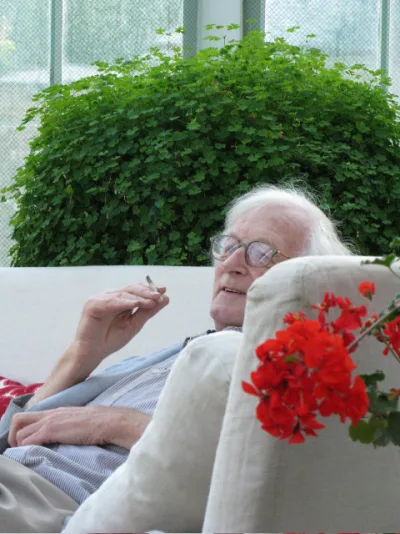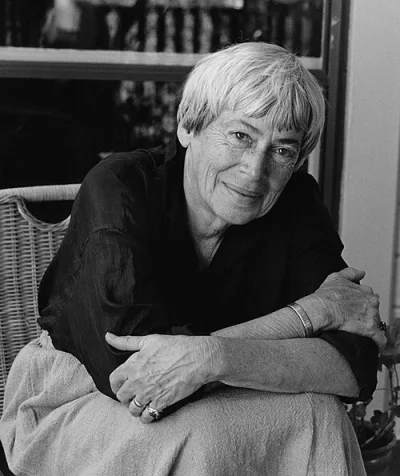
Ursula K. Le Guin
Ursula K. Le Guin was a celebrated American author known for her thought-provoking speculative fiction.
Ursula K. Le Guin (1929–2018) was an American writer recognized for a wide range of genres, though primarily for her speculative fiction. Her literary output encompassed novels, short stories, poetry, essays, screenplays, and translations, often set in imaginative worlds. She gained significant critical acclaim with works like 'A Wizard of Earthsea' (1968) and 'The Left Hand of Darkness' (1969). While often labeled a science fiction author, critics found her work challenging to categorize, appreciating its depth and complexity. Her contributions were recognized with prestigious awards such as the National Book Award, the Newbery Medal, and multiple Hugo and Nebula Awards, cementing her status as a major literary figure. Feminist perspectives significantly influenced her later writings.
Literary Significance and Reception
Le Guin's literary achievements garnered considerable critical attention throughout her career. Works like 'A Wizard of Earthsea' and 'The Left Hand of Darkness' were pivotal in establishing her reputation, with 'The Left Hand of Darkness' specifically noted for solidifying her place in science fiction. Literary critics, including Harold Bloom, have referred to her books as masterpieces. By 1999, her work had inspired extensive academic study, including numerous volumes of literary criticism and dissertations, leading scholar Donna White to describe her as a "major figure in American letters." Her writing explored complex themes that resonated deeply, earning her numerous accolades and a lasting impact on literature.
Early and Late Works
Le Guin's early publications included the poem "Folksong from the Montayna Province" in 1959 and the short story "An die Musik" in 1961, both set in the fictional land of Orsinia. Her professional debut was the short story "April in Paris" in 1962, followed by her first novel, 'Rocannon's World,' in 1966. Her final literary contributions were published posthumously, including the non-fiction collections 'Dreams Must Explain Themselves' and 'Ursula K Le Guin: Conversations on Writing,' as well as the poetry collection 'So Far So Good: Final Poems 2014–2018,' demonstrating a lifelong dedication to her craft.
Key Ideas
- Speculative fiction exploring complex themes
- Fictional worlds like Earthsea and the Hainish Cycle
- Challenging genre classifications
- Influence of feminist critiques on later work
Notable Quotes
“major figure in American letters”
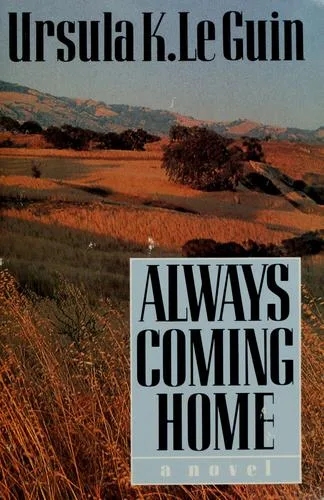
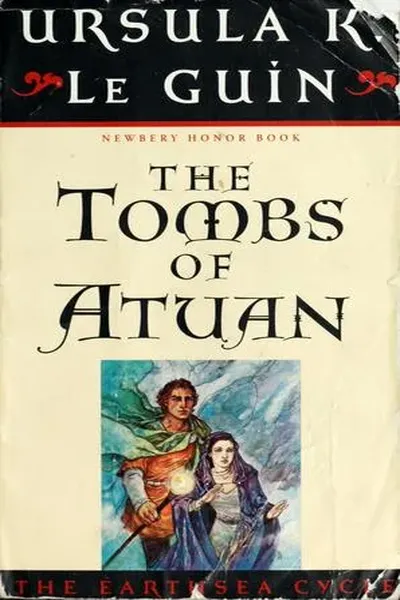
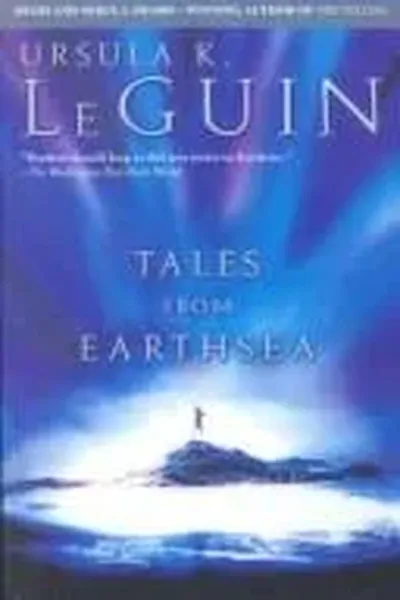
Books by Ursula K. Le Guin
0 free public domain books · Read online or download