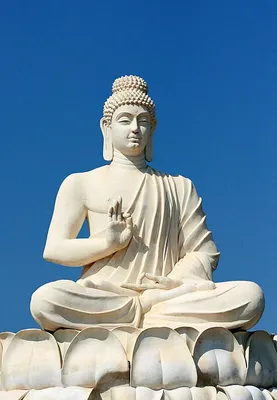
Taisen Deshimaru
Taisen Deshimaru was a prominent Zen Buddhist master who introduced Soto Zen to Europe.
Taisen Deshimaru was a Japanese Soto Zen priest and teacher who played a significant role in bringing Zen Buddhism to the Western world, particularly Europe. He was instrumental in establishing Zen practice and communities outside of Asia, emphasizing the importance of zazen (seated meditation) and the practical application of Buddhist principles in daily life. Deshimaru's teachings focused on the core tenets of Soto Zen, aiming to make them accessible to a broader audience.
His efforts involved extensive travel and teaching throughout Europe, where he founded numerous Zen centers and inspired a generation of practitioners. Deshimaru's legacy is tied to the growth and institutionalization of Zen in the West, making it a more recognized and practiced spiritual tradition. His approach was characterized by a dedication to authentic transmission while adapting to new cultural contexts.
Introduction of Soto Zen to Europe
Taisen Deshimaru was a significant figure in the dissemination of Soto Zen Buddhism outside of Japan. He traveled extensively, particularly across Europe, from the 1960s onwards, establishing practice centers and teaching the principles of Zen. His mission was to transmit the authentic teachings of Soto Zen, emphasizing zazen (seated meditation) as the core practice. Deshimaru founded the Association Zen Internationale (AZI) to help organize and support the growing number of practitioners and centers he inspired across the continent. His efforts were crucial in making Soto Zen a recognized and accessible spiritual path for many in the West.
Teaching and Philosophy
Deshimaru's teachings were rooted in the traditional Soto Zen lineage, with a strong emphasis on the practice of zazen. He conveyed the importance of "shikantaza" (just sitting), a central concept in Soto Zen, encouraging practitioners to engage fully in the present moment without seeking specific outcomes. He also highlighted the integration of Buddhist philosophy into everyday life, stressing that enlightenment is not separate from the mundane world. Deshimaru's approach aimed to be direct and practical, focusing on the experience of meditation and mindful living rather than purely intellectual understanding.
Legacy and Influence
The enduring legacy of Taisen Deshimaru lies in his foundational role in establishing Soto Zen in Europe. Through his tireless dedication, he created a network of Zen centers and sanghas (communities) that continue to practice and teach his lineage. Many of his students went on to become recognized Zen teachers themselves, further spreading his influence. Deshimaru's work facilitated a significant shift in the global landscape of Buddhism, bringing a major Mahayana school to new cultural territories and fostering a deeper understanding of Zen practice among Westerners.
Key Ideas
- Zazen (seated meditation) as the core practice
- Shikantaza (just sitting) as a direct path
- Integration of Buddhist principles into daily life
- Transmission of authentic Soto Zen to the West
Books by Taisen Deshimaru
2 free public domain books · Read online or download