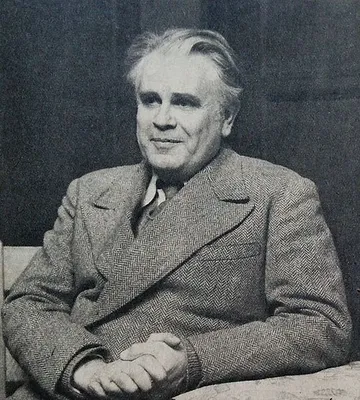
Reginald Horace Blyth
Reginald Horace Blyth was an English writer renowned for his influential works on Zen and haiku poetry in the West.
Reginald Horace Blyth, born in England in 1898, became a prominent writer and scholar deeply devoted to Japanese culture. After early life and education in England, including a period of imprisonment as a conscientious objector during World War I, Blyth moved to Korea in 1925. During his decade there, he began studying Japanese and Chinese, and delved into Zen Buddhism under Master Hanayama Taigi, also becoming familiar with the writings of D.T. Suzuki. He relocated to Japan in 1940, where he continued his academic pursuits and deepened his engagement with Zen and Japanese poetry. Despite internment as an enemy alien during World War II, Blyth produced significant early works on Zen and haiku. Post-war, he held professorships, tutored the future Emperor Akihito, and was instrumental in popularizing Zen philosophy and haiku in the Western world. He received a doctorate and Order of Merit from Japanese institutions before his death in Tokyo in 1964.
Early Life and Intellectual Awakening
Born in Essex, England, Reginald Horace Blyth's early life included education and a period as a conscientious objector during World War I, leading to imprisonment and work in a government scheme. He later graduated from the University of London with honors in English. Blyth adopted a lifelong vegetarian diet, played the flute, and developed a strong interest in European languages and the music of J. S. Bach. A pivotal shift occurred when he moved to Korea in 1925. There, he began learning Japanese and Chinese, and crucially, started his study of Zen Buddhism under Master Hanayama Taigi and through the works of D.T. Suzuki. This period marked the beginning of his deep immersion into Eastern thought and culture.
Zen and Haiku Scholarship
Blyth's most significant contribution lies in his extensive writings on Zen Buddhism and Japanese poetry, particularly haiku and senryū. His works, largely published in Japan, introduced these traditions to Western audiences. Key publications include the four-volume 'Haiku' series and a multi-volume 'Zen' series, which provided detailed analyses and translations. His approach often emphasized a direct connection between haiku and Zen, viewing haiku as a non-emotional, non-intellectual engagement with nature. He also explored senryū as a more human-centered, often humorous, perspective. Blyth's interpretations significantly influenced Western writers and the burgeoning haiku community, though some scholars noted his critical views on modern haiku themes and the contributions of women poets.
Later Life and Western Influence
After settling in Japan, Blyth became a professor and held a significant role as a private tutor to Crown Prince Akihito. He worked to bridge cultural understanding, notably assisting in drafting Emperor Hirohito's declaration of humanity. His academic achievements were recognized with a doctorate from Tokyo University and the Order of Merit. Blyth's prolific output and insightful interpretations of Zen and haiku made him a central figure in the post-war dissemination of Japanese aesthetics and philosophy to the West. His books served as foundational texts for many Western writers, including those associated with the Beat Generation, and continue to be referenced by enthusiasts and scholars of Japanese culture.
Key Ideas
- Haiku as the 'purely poetical (non-emotional, non-intellectual, non-moral, non-aesthetic) life in relation to nature'.
- Senryu as an understanding of all things by laughing and smiling at them, implying forgiveness.
- The close relationship, and at times perceived necessity, of Zen practice for writing authentic haiku.
- Haiku as a genre where 'things speak for themselves with the voice of a man', contrasted with senryu where 'we speak and speak for ourselves'.
Notable Quotes
“By a fortunate chance I then came across haiku, or to speak more exactly Haiku no Michi, the Way of Haiku, which is the purely poetical (non-emotional, non-intellectual, non-moral, non-aesthetic) life in relation to nature. Next, the biggest bit of luck of all, Zen, through the books of Suzuki Daisetz ... Last but not least there appeared senryu, which might well be dignified by the term Senryu no Michi, the Way of Senryu, for it is an understanding of all things by laughing and smiling at them, and this means forgiving all things, ourselves and God included”
“In haiku things speak for themselves with the voice of a man, in senryu things do not speak; we speak and speak for ourselves”
“Haiku for women, like Zen for women, - this subject makes us once more think about what haiku are, and a woman is…Women are said to be intuitive, and as they cannot think, we may hope this is so, but intuition…is not enough… [it] is doubtfull... whether women can write haiku”
Books by Reginald Horace Blyth
3 free public domain books · Read online or download