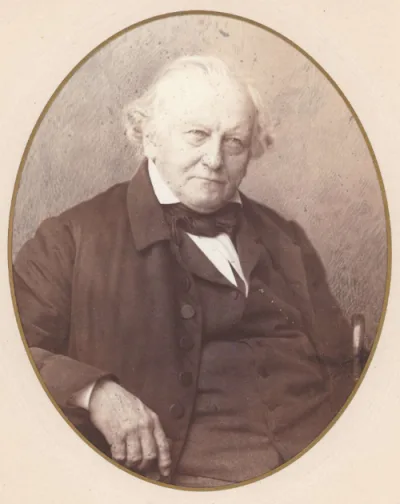
✍️ Author Biography
Oliver Perrottet
📅 1860 – 1939
🌍 Swiss
📚 4 free books
Oliver Perrottet is an author whose work appears to focus on the documented history and statistics of drug overdose deaths.
Oliver Perrottet is identified as an author, with available information pointing to his work concerning the statistics and historical context of drug overdose fatalities. The provided text details how drug overdoses and intoxication contribute significantly to accidental deaths and can also be a method of suicide. It outlines the dangers of combined drug intoxication (CDI) and poly-drug use, noting how these incidents are often misreported. The historical overview highlights the surge in drug use and addiction during the 1800s, following the isolation of active ingredients like morphine and cocaine and their subsequent mass production. The invention of the hypodermic syringe further exacerbated issues with intravenous drug use and overdose.
The text also touches upon the evolving landscape of drug prohibition and the concerning rise in overdose deaths in the 21st century across various countries. It notes that the misuse of prescription drugs, particularly benzodiazepines and opiates, is linked to more fatalities in several nations than illicit substances. The information suggests Perrottet's focus is on compiling and presenting data related to these trends, including accidental, suicidal, and undetermined causes of death stemming from drug overdose or acute intoxication, while excluding long-term effects or legally sanctioned end-of-life procedures.
Historical Context of Drug Overdose
The commercialization and increased availability of drugs significantly impacted mortality rates in the 1800s. The isolation of active compounds from opium and coca, leading to the mass production of morphine and cocaine, fueled widespread misuse and addiction. This era also saw the invention of the hypodermic syringe, which further amplified the risks associated with intravenous drug use and overdose, establishing it as a leading cause of death for users.
Contemporary Trends in Drug-Related Fatalities
In the 21st century, drug overdose deaths have seen a substantial increase globally. While illicit substances are often viewed as the primary danger, the misuse of prescription medications, including benzodiazepines and opiates, is now linked to a higher number of fatalities in many countries. This trend underscores the complex and evolving nature of drug-related mortality, extending beyond traditional perceptions of drug risks.
Documentation and Classification of Overdose Deaths
The work appears to involve meticulous documentation of deaths attributed to drug overdose or acute intoxication. This includes categorizing fatalities by intent, such as suicide, accident, or undetermined causes, and specifying when overdose was suspected rather than confirmed. The focus is on direct consequences of overdose, excluding deaths from chronic drug use effects or legal end-of-life interventions.
Key Ideas
- Drug overdose and intoxication as significant causes of accidental death and suicide.
- The increased risk associated with combined drug intoxication (CDI) and poly-drug use.
- The historical impact of drug commercialization and medical advancements on overdose rates.
- The contemporary shift in overdose fatalities towards prescription drug misuse.
- The importance of accurate classification and documentation of overdose deaths by cause and intent.