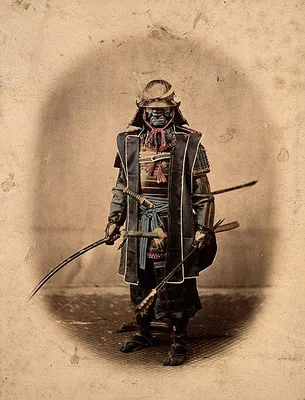
Kaiten Nukariya
Bushido, the samurai way of the warrior, evolved over centuries, encompassing various codes of conduct, ethics, and philosophies.
Bushidō, meaning 'the warrior's way,' represents a complex set of moral codes, attitudes, and lifestyles associated with the samurai of Japan. While its roots can be traced back to the Kamakura period, it was significantly formalized during the Edo period. The term itself was not widely used in early literature, but the underlying principles of honor, loyalty, and martial prowess developed over centuries. These ideals were influenced by various philosophies, including Zen Buddhism and Neo-Confucianism, and adapted by different samurai clans and individuals throughout history.
Bushidō was not a singular, rigid doctrine but rather a collection of evolving expectations and unwritten rules. Its interpretations varied greatly, reflecting the diverse experiences and philosophies of the samurai class. While often associated with honorable conduct and self-sacrifice, the reality was more nuanced, including practical considerations on the battlefield and even darker customs. The concept gained wider international recognition in the late 19th and early 20th centuries, influencing perceptions of Japanese culture and samurai traditions.
Evolution of the Warrior's Code
The concept of a samurai code, the precursor to Bushidō, began to take shape in the Kamakura period, emphasizing sincerity, frugality, loyalty, martial skill, and honor. These ideals were refined over subsequent centuries, with the term 'Bushidō' itself appearing in written form by the early 17th century. The code was influenced by a blend of philosophical and religious traditions, including Zen Buddhism and Neo-Confucianism, balancing martial valor with wisdom and peace. It was further developed and sometimes codified by the Tokugawa shogunate during the Edo period. However, interpretations varied significantly among different samurai clans and individuals, making it more a series of unwritten expectations than a single, unified doctrine.
Philosophical and Social Underpinnings
Bushidō drew from multiple sources, including Neo-Confucianism, Shinto, and Zen Buddhism, reflecting a complex interplay of ethical, spiritual, and practical considerations. While often presented as a noble path, the historical reality of samurai conduct was multifaceted. The code evolved in response to changing social and military landscapes, including reactions to battlefield tactics and the need for social order. The Edo period, marked by relative peace, saw a greater emphasis on the philosophical and moral dimensions of Bushidō, making it accessible to a wider populace through popular writings. This period also saw practices like *seppuku* (ritual suicide) and *kiri-sute gomen* (the right to strike down commoners) as part of the samurai's perceived privileges and responsibilities.
Modern Reception and Legacy
The term Bushidō entered common international discourse following the 1899 publication of Nitobe Inazō's "Bushido: The Soul of Japan." This influential work presented Bushidō as a moral framework for samurai, though historical analysis suggests it was a more fluid and varied set of principles. Following the abolition of the samurai class in the Meiji Restoration, the ideals associated with Bushidō continued to influence Japanese society, finding expression in military, business, and cultural spheres. Its legacy persists in contemporary Japanese culture, martial arts, and communication, demonstrating its enduring impact.
Key Ideas
- Samurai moral code
- Loyalty and honor
- Martial arts mastery
- Self-sacrifice
- Evolving interpretations
- Influence of Zen Buddhism and Neo-Confucianism
Notable Quotes
“Bushidō, then, is the code of moral principles which the samurai were required or instructed to observe...More frequently it is a code unuttered and unwritten...It was an organic growth of decades and centuries of military career. In order to become a samurai, this code has to be mastered.”
“The samurai of thirty years ago had behind him a thousand years of training in the law of honor, obedience, duty, and self-sacrifice ... It was not needed to create or establish them. As a child, he had but to be instructed, as indeed he was from his earliest years, in the etiquette of self-immolation.”
Books by Kaiten Nukariya
4 free public domain books · Read online or download