✍️ Author Biography
🌍 American
📚 2 free books
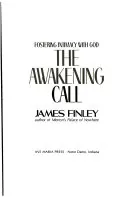
⭐ Known for: Merton's Palace of Nowhere (1978)
James Finley is an author, psychologist, and former Trappist monk known for his work on Christian mysticism.
James Finley, born May 30, 1943, is an American author, clinical psychologist, and former Trappist monk. His early life was marked by significant childhood trauma due to his father's alcoholism, but he found solace and inspiration in his mother's Roman Catholic faith. A pivotal moment occurred at age 14 when he encountered Thomas Merton's "The Sign of Jonas," leading him to join the Trappist order at the Abbey of Gethsemani in 1961. Under Merton's spiritual direction, Finley explored Christian mysticism alongside Buddhist, Hindu, and Islamic traditions. He departed the monastery in 1967 following an instance of sexual abuse by another monk.
Following his monastic experience, Finley pursued higher education in English education and taught at Catholic schools. During this period, he wrote his first book, "Merton's Palace of Nowhere," and began leading retreats. His path then led him to obtain a Ph.D. in psychology, integrating his therapeutic knowledge with his spiritual insights. For thirty years, he practiced as a therapist alongside his wife, while also continuing his writing and retreat work. Finley is currently a core faculty member at the Center for Action and Contemplation, where he contributes to The Living School, hosts the podcast "Turning to the Mystics," and offers online courses and retreats.
Spiritual Path and Influences
James Finley's spiritual journey began in his youth, influenced by his mother's Roman Catholic faith amidst a difficult family environment. His encounter with Thomas Merton's writings at age 14 profoundly shaped his life, inspiring him to enter the Trappist monastic order at the Abbey of Gethsemani. As a novice under Merton's guidance, Finley delved into Christian mysticism and was also exposed to contemplative traditions from Buddhism, Hinduism, and Islam. This period provided him with a deep foundation in contemplative practices and mystical theology. Despite the eventual trauma of leaving the monastery after experiencing abuse, these formative years and his relationship with Merton laid the groundwork for his later work in spiritual exploration and teaching.
Integration of Psychology and Spirituality
After leaving monastic life, James Finley pursued academic and professional paths that allowed him to synthesize his spiritual experiences with psychological understanding. He earned degrees in English education and taught, but a significant turning point came when he was encouraged to pursue a Ph.D. in psychology. This academic pursuit enabled him to bridge the gap between the inner life of contemplation and the practical applications of psychotherapy. For three decades, he worked as a therapist with his wife, a career that informed his ability to address the human psyche. This dual focus on psychological well-being and spiritual depth became a hallmark of his writing and teaching, offering readers and retreat participants a holistic approach to healing and spiritual growth.
Contributions to Contemplative Literature and Education
James Finley is a prolific author and educator focused on spirituality and Christian mysticism. His books, such as "Merton's Palace of Nowhere" and "The Contemplative Heart," explore themes of spiritual awakening, the nature of God's presence, and the contemplative life. He is a key figure at the Center for Action and Contemplation, contributing to its Living School and engaging with other prominent thinkers in the field. Finley also hosts the podcast "Turning to the Mystics," which examines the wisdom of medieval mystics like Julian of Norwich and Meister Eckhart, making these profound spiritual traditions accessible to a contemporary audience. His work consistently aims to guide individuals toward deeper spiritual intimacy and understanding.
Key Ideas
- The integration of psychology and spirituality for holistic healing and growth.
- Exploration of Christian mysticism and contemplative traditions.
- Making the teachings of historical mystics accessible to modern seekers.