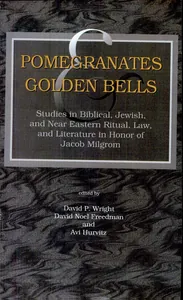
Jacob Milgrom was a scholar influential in interpreting Leviticus as a rational theological system, emphasizing ritual's role in maintaining divine-human relations.
Jacob Milgrom was a significant scholar whose work focused on the Book of Leviticus. He is particularly noted for his influential interpretation that the rituals described in Leviticus are not merely arbitrary actions but form a coherent and rational theological system. Milgrom argued that these priestly regulations were intended for practical application within Israel's temple, serving to express a profound theology and an ethical concern for the vulnerable.
His research highlighted that the book's purity regulations also possessed an ethical foundation. Milgrom's perspective posits that ritual acts are a crucial means by which the relationship between God, humanity, and the world is sustained. This view has guided many subsequent interpreters in exploring the theological and ethical dimensions of Leviticus, moving beyond a purely ritualistic understanding to a deeper appreciation of its systemic thought.
Scholarly Interpretation of Leviticus
Jacob Milgrom significantly shaped the academic understanding of the Book of Leviticus. His scholarship emphasized that the book's complex array of rituals and laws should be viewed as a rational and systematic theological framework. Milgrom argued that these regulations were designed to be implemented in the Temple, thereby embodying a specific theology and demonstrating an ethical consideration for the less fortunate. He posited that the purity laws within Leviticus, often seen as purely ritualistic, were also rooted in ethical considerations, suggesting a holistic approach to divine-human interaction.
Theological and Ethical Dimensions of Ritual
Milgrom's influential thesis proposed that the rituals detailed in Leviticus serve a vital theological purpose: maintaining the essential relationship between God, humanity, and the cosmos. He contended that the proper execution of these rites was intended to foster a connection with the divine, reflecting a worldview where God desires to dwell among people. The faithful performance of sanctuary rituals, including sacrifices for forgiveness and purification rites, was seen as the mechanism through which this divine presence could be sustained, provided that sin and impurity were actively avoided. This perspective underscores the idea that ritual is not an end in itself, but a conduit for spiritual and ethical engagement.
Key Ideas
- Leviticus as a rational theological system
- Rituals as a means of maintaining divine-human relationship
- Ethical basis for purity regulations
- Theological expression through temple practice
Books by
2 free public domain books · Read online or download