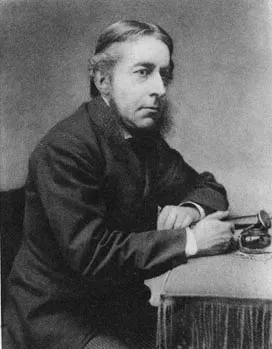
J. H. Shorthouse
J. H. Shorthouse was an English novelist celebrated for his philosophical romance, John Inglesant, exploring religious themes.
Joseph Henry Shorthouse, born in Birmingham in 1834, was an English novelist whose literary career was largely defined by his first novel, John Inglesant. Coming from families involved in chemical manufacturing and glassmaking, both of Quaker background, Shorthouse himself became a chemical manufacturer. He later converted to the Church of England with his wife in 1861, aligning himself with the High Church movement while valuing individual judgment over strict religious authority. His life was also marked by recurring health issues, including epilepsy, which began in 1862. Shorthouse passed away in 1903, leaving no descendants.
His seminal work, John Inglesant, was a decade in the making and initially published privately before being commercially released in 1881. The novel, set in 17th-century England, delves into religious intrigue and spiritual journeys, focusing on a protagonist navigating Anglican and Catholic circles during the English Civil War. While its plot involving revenge was considered secondary to the hero's spiritual development and affirmation of Anglicanism, the novel gained significant acclaim for its stylistic charm and evocative atmosphere. It was described as a "philosophical romance" and brought Shorthouse considerable fame, attracting notable admirers and selling well in its initial year. Though he authored other novels and essays, they did not achieve the same level of success as his debut.
John Inglesant and Philosophical Romance
Shorthouse's most significant contribution to literature is his novel John Inglesant, a work he dedicated ten years to completing. First appearing privately and later published commercially in 1881, the novel was immediately recognized for its unique blend of historical narrative and philosophical exploration, earning it the designation of a "philosophical romance." Set against the backdrop of 17th-century religious upheaval in England, the story centers on a character embroiled in conflict and spiritual searching. While a revenge plotline exists, the novel's core lies in its protagonist's profound spiritual journey and the exploration of Anglican identity amidst Catholic influences. Its success was driven by a captivating style, a pervasive "dim religious light," and striking narrative moments, making it a notable example of its genre and securing Shorthouse widespread recognition.
Background and Religious Affiliation
Born into prominent Birmingham families with roots in the chemical and glass industries, both of Quaker tradition, Joseph Henry Shorthouse received a mixed education. He eventually entered the chemical manufacturing business himself. A significant shift in his life occurred in 1861 when he and his wife converted from Quakerism to the Church of England. Shorthouse later associated himself with the "new Oxford school of High Churchmen." He expressed a preference for the Anglican Church's balance of freedom and reason over what he perceived as the authoritative nature of Roman Catholicism concerning private judgment. This spiritual and intellectual orientation likely informed the theological and philosophical underpinnings of his literary works.
Key Ideas
- Philosophical romance as a literary genre
- Spiritual journey and religious identity
- Exploration of Anglicanism and Catholicism in 17th-century England
- Tension between religious authority and private judgment
Books by J. H. Shorthouse
2 free public domain books · Read online or download