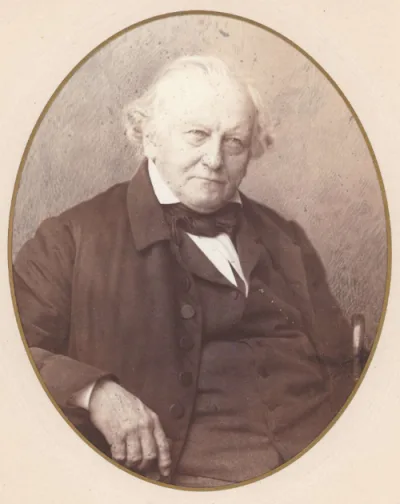
✍️ Author Biography
Ian Richard Netton
📅 1944 – 2011
🌍 British
📚 5 free books
⭐ Known for: The Satanic Verses (1988)
Salman Rushdie's 'The Satanic Verses' uses magical realism to explore identity, faith, and the immigrant experience.
Salman Rushdie's 1988 novel, 'The Satanic Verses,' is a work of magical realism inspired by the life of the Islamic prophet Muhammad and the historical 'Satanic Verses' concerning Meccan goddesses.
The narrative follows two Indian expatriates, Gibreel Farishta and Saladin Chamcha, who miraculously survive a plane crash and undergo surreal transformations. Farishta becomes an angelic figure, while Chamcha embodies a devilish form. Their ensuing struggles with identity, love, and revenge unfold against a backdrop of escalating political and communal tensions in London. The novel incorporates dream sequences that fictionalize historical and religious events, including a reinterpretation of Muhammad's life and the story of a girl claiming divine revelations.
Receiving critical acclaim, 'The Satanic Verses' was lauded for its ambition in depicting the immigrant experience and exploring themes of alienation, rootlessness, and the complexities of cultural hybridity. However, the book also ignited significant controversy due to its perceived blasphemy, leading to bans, violence, and threats against the author, highlighting debates on censorship and religiously motivated conflict.
Narrative Structure and Magical Realism
The novel employs a frame narrative structure, interwoven with dream visions experienced by protagonist Gibreel Farishta. This technique allows Rushdie to blend contemporary events with surreal and fantastical elements. Farishta and Saladin Chamcha, both actors of Indian Muslim descent, are central figures whose post-plane crash transformations into angelic and demonic forms, respectively, drive the plot. Their individual journeys of self-discovery and conflict, set against the backdrop of London's multicultural landscape, are depicted through the lens of magical realism, where the extraordinary becomes commonplace and symbolic.
Exploration of Identity and Alienation
A core theme in 'The Satanic Verses' is the exploration of identity, particularly for migrants navigating between cultures. Chamcha's Anglophilia and subsequent detachment from his heritage, contrasted with Farishta's complex relationship with his divine and human selves, highlight the challenges of rootlessness and belonging. The novel delves into the psychological impact of migration, portraying characters grappling with disillusionment, compromise, and the struggle to reconcile disparate aspects of their identities. This internal conflict is presented as a reflection of the author's own perceived identity crisis and the broader dilemmas faced by those living between worlds.
Religious and Historical Reinterpretation
The novel engages with religious and historical narratives, most notably through its re-imagining of the life of the Islamic prophet Muhammad, referred to as 'Mahound' in the text. The controversial 'Satanic Verses' episode, concerning the veneration of Meccan goddesses, is central to these dream sequences. These reinterpretations, drawing on historical accounts and fictional embellishments, explore themes of revelation, doubt, and the manipulation of faith. The inclusion of a figure resembling Ruhollah Khomeini further situates the work within contemporary religious and political discourse, examining fanaticism and dogma.
Literary Influences and Critical Reception
Salman Rushdie's work on 'The Satanic Verses' draws from a diverse range of literary influences, including James Joyce, Italo Calvino, Franz Kafka, and Mikhail Bulgakov, among others. The novel's structure, characterized by parallel stories and the interweaving of dream and reality, echoes postmodern satirical traditions. Critically, the book was largely praised for its ambition and its nuanced portrayal of the immigrant experience, with scholars noting its examination of alienation and cultural hybridization. However, its controversial content also sparked significant debate regarding censorship and religiously motivated violence.
Key Ideas
- Magical realism as a narrative technique
- The immigrant experience and cultural hybridity
- Identity crisis and alienation
- Reinterpretation of religious and historical narratives
- The nature of faith, revelation, and dogma
- Censorship and religiously motivated violence