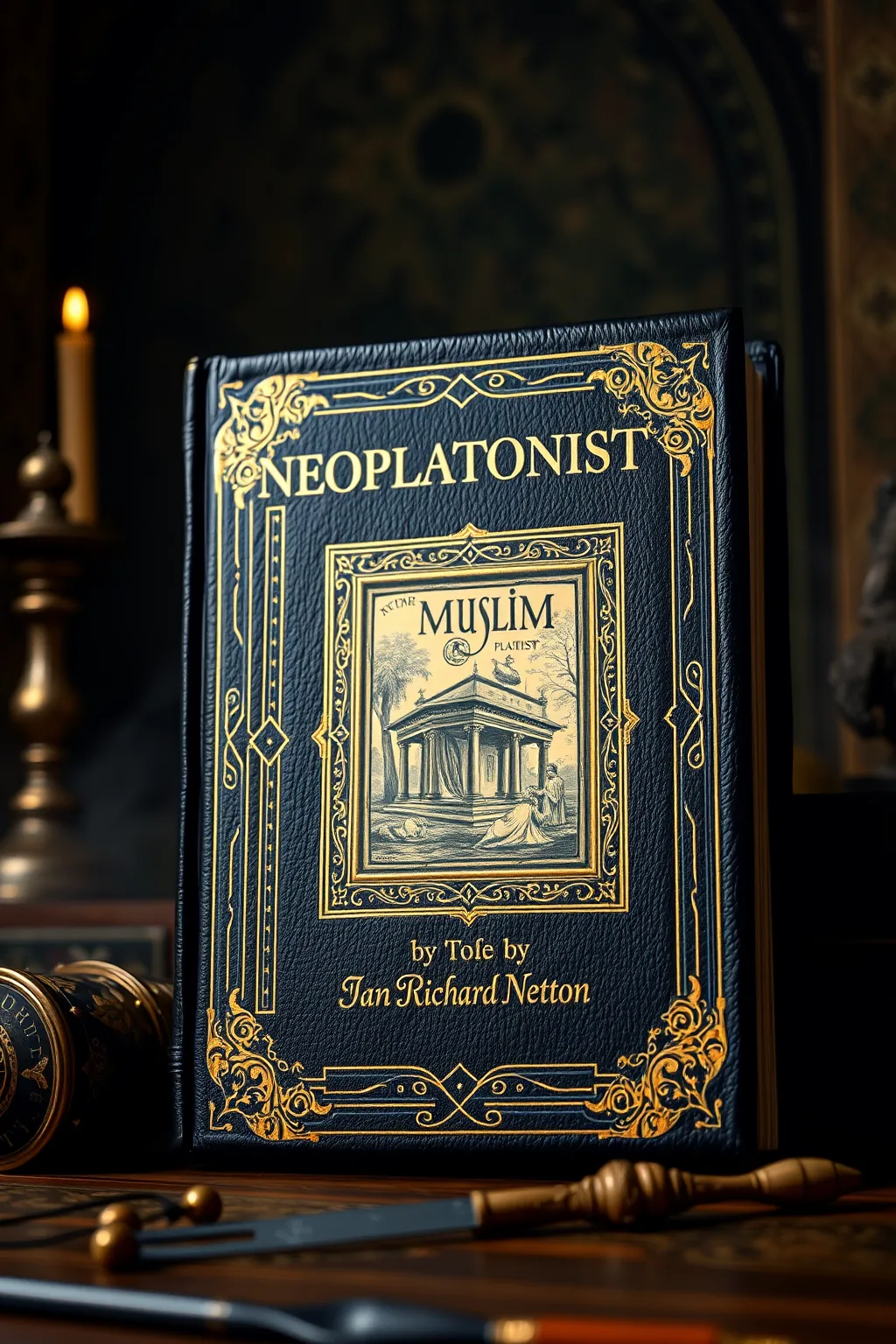
Muslim Neoplatonists
 62
62

Muslim Neoplatonists


Review by Evander Ashcroft (Alchemy & Hermeticism Editor) — 'Muslim Neoplatonists' by Ian Richard Netton is a masterful exposition of the intersection between Islamic philosophy and Neoplatonic thought. Netton's work stands out for its esoteric insights, offering a deep dive into the mystical traditions that have shaped both alchemy and hermeticism. The book's strength lies in its ability to reveal the hidden knowledge and symbolism that underpin these ancient philosophies. It is an invaluable resource for scholars and practitioners alike, providing a comprehensive and engaging exploration of the esoteric dimensions of Islamic thought. Highly recommended for those seeking to understand the profound philosophical significance of Neoplatonism within the Islamic context.
📝 Description
62
Ian Richard Netton's 1991 book examines Neoplatonic influence on Islamic thought.
This book examines the complex relationship between Neoplatonic philosophy and Islamic intellectual history. Netton analyzes how thinkers in the Islamic world adapted and interpreted the ideas of Plato and his followers, particularly Plotinus. The work looks at the ways Neoplatonism informed concepts of divine unity, the nature of the soul, and the path to spiritual knowledge within Islamic traditions. It moves beyond a simple reception history to consider the distinctiveness of the Islamic synthesis of these ideas.
The book details how specific Neoplatonic doctrines, such as the concept of emanation from a single divine source, were integrated into Islamic theological and philosophical discourse. It considers the development of these ideas through key figures and schools of thought within Islam. Netton also touches upon the connections between these philosophical currents and later mystical or esoteric practices, showing how abstract thought manifested in spiritual aspirations. The study aims to clarify the intellectual lineage and the unique characteristics of Islamic Neoplatonism.
Muslim Neoplatonists stands as a significant academic study within the broader field of esotericism and comparative philosophy. It addresses a tradition where philosophical speculation and mystical inquiry often intertwined. The book places Islamic thinkers who engaged with Neoplatonic ideas within a lineage that sought to understand ultimate reality and the human soul's connection to the divine. This intellectual current shared common ground with other esoteric traditions that emphasized inner knowledge and spiritual ascent, often drawing on ancient philosophical sources.
💡 Why Read This Book?
Read 'Muslim Neoplatonists' to uncover the mystical and esoteric underpinnings of Islamic philosophy. This book is ideal for seekers of hidden knowledge, scholars of esoteric traditions, and practitioners of alchemy and hermeticism. Netton's work provides a unique perspective on the philosophical significance of Neoplatonic ideas within the Islamic framework, making it an essential read for those interested in the deeper spiritual quest for unity and enlightenment.
⭐ Reader Reviews
Honest opinions from readers who have explored this book.
❓ Frequently Asked Questions
What is the main focus of 'Muslim Neoplatonists'?
The book explores the intersection of Islamic philosophy and Neoplatonic thought, revealing the hidden knowledge and mystical themes that have influenced alchemy and hermeticism.
Who is the intended audience for this book?
'Muslim Neoplatonists' is ideal for scholars of esoteric traditions, practitioners of mystical arts, and seekers of hidden truths.
What makes this book significant in the field of Islamic philosophy?
Netton's work provides a deep dive into the esoteric dimensions of Islamic thought, offering a unique perspective on the philosophical significance of Neoplatonic ideas.
How does the book contribute to the understanding of alchemy and hermeticism?
The book unveils the ancient symbolism and philosophical depth that underpin these mystical traditions, providing a comprehensive exploration of their esoteric themes.
What can readers expect to gain from reading 'Muslim Neoplatonists'?
Readers can expect to gain a profound understanding of the spiritual quest for unity and enlightenment, as well as insights into the enduring influence of Neoplatonic thought on Islamic mysticism.
🔮 Key Themes & Symbolism
Hidden Knowledge
Netton's work examines the hidden knowledge that has long been revered in the areas of alchemy and hermeticism. By exploring the mystical esoteric themes within Islamic philosophy, the book reveals the ancient symbolism and philosophical depth that underpin these traditions. Readers will gain a profound understanding of the spiritual quest for unity and enlightenment, making it an essential read for seekers of hidden truths.
Neoplatonic Thought
The book provides a comprehensive exploration of Neoplatonic ideas within the Islamic context. Netton's rich analysis offers a unique perspective on the philosophical significance of these ideas, highlighting their enduring influence on Islamic mysticism. This theme is crucial for scholars and practitioners of esoteric traditions, as it reveals the deep spiritual dimensions of Neoplatonic thought.
Spiritual Unity
One of the central themes of 'Muslim Neoplatonists' is the spiritual quest for unity and enlightenment. By lifting the veil between the physical and metaphysical worlds, the book invites readers on a journey of contemplation and discovery. This theme is particularly relevant for those seeking to understand the deeper spiritual aspects of Islamic philosophy and its connection to Neoplatonic thought.
💬 Memorable Quotes
Direct passages from the work, attributed to the author.
“The quest for unity is a journey of the soul.”
— Netton emphasizes the spiritual quest for unity and enlightenment within Islamic philosophy.
“Ancient symbolism holds the key to hidden knowledge.”
— The book reveals the ancient symbolism that underpins alchemy and hermeticism.
“Neoplatonic ideas have shaped Islamic mysticism.”
— Netton's work highlights the enduring influence of Neoplatonic thought on Islamic thought.
“The veil between worlds is lifted through contemplation.”
— The book invites readers to explore the deeper spiritual dimensions of Islamic philosophy.
“Hidden truths await those who seek them.”
— The book is an essential read for seekers of hidden knowledge and mystical themes.
🌙 Esoteric Significance
Tradition
This book belongs to the Hermetic and alchemical traditions, which emphasize the pursuit of hidden knowledge and spiritual enlightenment. By exploring the intersection of Islamic philosophy and Neoplatonic thought, Netton's work reveals the esoteric dimensions of these mystical traditions. It is a valuable resource for those seeking to understand the deeper spiritual aspects of alchemy and hermeticism.
Symbolism
Key symbols in 'Muslim Neoplatonists' include the quest for unity, the veil between worlds, and the ancient symbolism that underpins alchemy and hermeticism. These symbols represent the spiritual journey of the soul and the search for hidden truths. They are central to the book's exploration of the mystical and esoteric themes within Islamic philosophy.
Modern Relevance
Today, 'Muslim Neoplatonists' remains relevant for modern practitioners of alchemy and hermeticism, as well as for scholars of esoteric traditions. The book's insights into the philosophical significance of Neoplatonic ideas within the Islamic context continue to influence contemporary spiritual seekers and mystics. It serves as a guide for those exploring the deeper dimensions of Islamic mysticism and its connection to Neoplatonic thought.
👥 Who Should Read This Book
Beginners interested in Islamic philosophy and Neoplatonism will find this book an accessible introduction to the mystical and esoteric themes that underpin these traditions. Scholars of esoteric traditions will appreciate Netton's deep analysis of the philosophical significance of Neoplatonic ideas within the Islamic context. Spiritual seekers will benefit from the book's exploration of the spiritual quest for unity and enlightenment. Practitioners of alchemy and hermeticism will find valuable insights into the ancient symbolism and hidden knowledge that shape these mystical traditions.
📜 Historical Context
During the medieval period, Islamic philosophy flourished, absorbing and transforming various philosophical traditions, including Neoplatonism. 'Muslim Neoplatonists' by Ian Richard Netton was written in this rich intellectual milieu, where the quest for hidden knowledge and mystical esoteric themes was paramount. The book's significance lies in its exploration of how Neoplatonic ideas were integrated into Islamic thought, shaping the mystical traditions of alchemy and hermeticism. This work has influenced subsequent generations of scholars and practitioners, providing a deeper understanding of the philosophical and spiritual dimensions of Islamic mysticism.
📔 Journal Prompts
Reflect on the concept of hidden knowledge and its significance in your spiritual journey.
Consider the role of ancient symbolism in your understanding of mystical traditions.
Explore the idea of the spiritual quest for unity and enlightenment in your daily life.
How does the intersection of Islamic philosophy and Neoplatonic thought influence your view of the world?
What insights from 'Muslim Neoplatonists' can you apply to your practice of alchemy or hermeticism?
🗂️ Glossary
Neoplatonism
A philosophical tradition that builds on the ideas of Plato, emphasizing the pursuit of spiritual unity and enlightenment.
Esoteric
Relating to knowledge that is hidden or secret, often reserved for initiates of mystical traditions.
Alchemy
An ancient mystical practice aimed at transforming base metals into gold, symbolizing spiritual transformation.
Hermeticism
A mystical tradition based on the writings of Hermes Trismegistus, emphasizing hidden knowledge and spiritual enlightenment.
Islamic Philosophy
The philosophical tradition within Islam that explores the nature of reality, knowledge, and spirituality.
This book appears in 2 collections
🔮 Readers Also Liked
Browse all →






More by Ian Richard Netton
All books →



From the “Neoplatonism” Collection
View all →






More Free Alchemy & Hermeticism Books
View all →