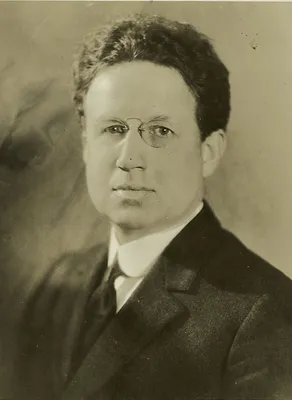
Harry Emerson Fosdick
Harry Emerson Fosdick was a prominent liberal minister and influential preacher, central to early 20th-century Protestantism's modernist debates.
Harry Emerson Fosdick, born in 1878, was a significant American pastor and one of the most prominent liberal ministers of the early 20th century. He became a key figure in the fundamentalist–modernist controversy within American Protestantism during the 1920s and 1930s. Though a Baptist, he ministered at prominent Presbyterian and interdenominational churches in New York City, including the historic Riverside Church. Fosdick's theological views, which presented the Bible as a record of unfolding divine will rather than literal divine dictation, sparked significant debate. His influential sermons and writings addressed theological development, social justice, and the integration of faith with modern thought.
Fosdick's career included service as an Army chaplain during World War I and extensive radio broadcasting. He was an outspoken opponent of racism and injustice, notably influencing the Scottsboro Boys case. His theological approach embraced theistic evolution and advocated for the teaching of evolution in schools, leading to public disagreements with figures like William Jennings Bryan. His work also supported the development of Alcoholics Anonymous. Fosdick's influence extended to civil rights leader Martin Luther King Jr., who regarded him as "the greatest preacher of this century."
Theological Stance and Controversy
Harry Emerson Fosdick emerged as a central figure in the fundamentalist–modernist controversy, a significant theological conflict within American Protestantism during the early 20th century. His theological perspective, articulated in influential sermons like "Shall the Fundamentalists Win?", challenged literal interpretations of the Bible. Fosdick viewed the Bible not as the inerrant "Word of God" but as a historical record of God's will unfolding over time, seeing Christianity as a process of development and change. This modernist approach, which embraced theistic evolution and the teaching of evolution in schools, was met with strong opposition from fundamentalists who considered it heresy. His defense of these views, often supported by legal figures like John Foster Dulles, led to significant church investigations and Fosdick's eventual resignation from his position at First Presbyterian Church.
Ministry and Public Influence
Throughout his career, Fosdick served as pastor at significant New York City churches, including the historic Riverside Church, which was established with funding from John D. Rockefeller Jr. This interdenominational church was designed to serve the community broadly, incorporating social and educational programs alongside worship. Fosdick's ministry extended beyond the pulpit through national radio broadcasts, including "National Vespers" on NBC Blue from 1927 to 1946. He was also recognized for his advocacy against racism and social injustice, and his writings, such as "A Guide to Understanding the Bible," explored the historical development of religious beliefs. His approval of the book "Alcoholics Anonymous" was noted as significant for the early development of the movement.
Legacy and Impact
Fosdick's impact reached across theological and social spheres. His anti-war sermon, "The Unknown Soldier," inspired the formation of the Peace Pledge Union in Britain. His influence on Martin Luther King Jr. was profound, with King acknowledging Fosdick as a major inspiration and "the greatest preacher of this century," drawing from his sermons and writings. Fosdick's family also played notable roles; his brother Raymond managed Rockefeller philanthropy, and his daughter Dorothy served as a foreign policy advisor. He was also the nephew of author Charles Austin Fosdick, known for his boy's adventure stories under the pen name Harry Castlemon.
Key Ideas
- Theistic evolution
- Bible as historical record of divine will, not literal dictation
- Christianity as a process of development and change
- Opposition to racism and social injustice
Notable Quotes
“greatest preacher of this century.”
Books by Harry Emerson Fosdick
2 free public domain books · Read online or download