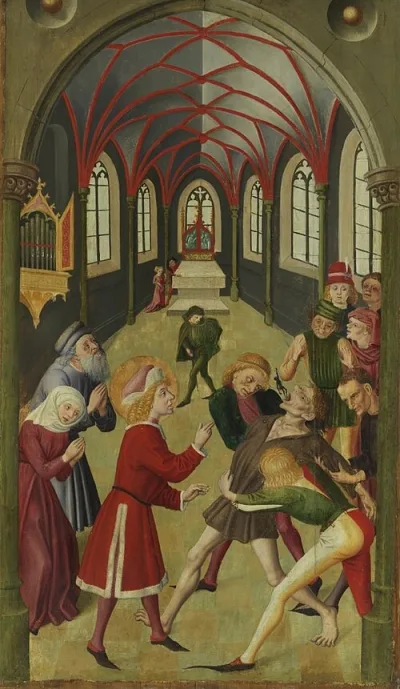
Exorcism is a spiritual practice to remove malevolent entities, found across various religions with distinct rituals and beliefs.
Exorcism, derived from the Greek for "binding by oath," is the ancient practice of expelling demons or malevolent spirits from individuals or places. This religious or spiritual rite is present in numerous cultures and belief systems. The method varies, often involving oaths, rituals, or commanding the entity to leave in the name of a higher power. In Christianity, exorcism is performed by individuals recognized as having spiritual authority, using prayers, religious objects, and invoking divine figures. The possessed are generally not seen as culpable, making exorcism a form of healing rather than punishment. While declining in some regions historically, public interest and practice saw a resurgence in the late 20th century.
Catholicism distinguishes between major and minor exorcisms, with major exorcisms requiring specific Church authorization and careful discernment between possession and illness. Eastern Orthodoxy views exorcism as a core part of the faith, with all priests trained in the practice, often during baptism, and believing all Christians engage in a form of spiritual exorcism through their struggle against sin. Lutheran traditions also incorporate minor exorcisms in baptismal rites and require medical consultation before major exorcisms. The Church of Jesus Christ of Latter-day Saints has specific, though rare, methods involving priesthood authority and commanding spirits to depart. In Buddhism, practices like reciting specific scriptures (Paritta) are used to ward off misfortune and danger, with Tibetan Buddhism having specific rituals like 'Gutor'.
Christian Exorcism Practices
Within Christianity, exorcism is the act of expelling demons, performed by individuals recognized as having spiritual authority, known as exorcists. These practices often involve prayers, sacred objects, and invoking divine figures such as God, Jesus, angels, or the Holy Spirit. Protestant traditions generally attribute the authority for exorcism to the Trinity. The possessed are typically viewed as victims of demonic manipulation rather than being inherently evil, positioning exorcism as a restorative rather than punitive measure. Rituals often prioritize the safety of the possessed, ensuring they are restrained if there's a risk of harm. While the practice saw a decline in the 18th century in places like the United States, it experienced a notable increase in the latter half of the 20th century, partly due to media attention.
Catholic and Orthodox Approaches
In Catholicism, exorcisms are performed in the name of Jesus Christ, with a distinction made between major and minor forms. Minor exorcisms are integrated into blessings and rituals for catechumens, while major exorcisms require ordained priests with specific Church permission. A crucial step involves discerning genuine possession from psychological or physical ailments, a determination made by the Church. The process can involve prayers, sacramentals like holy water, and invoking saints and the Virgin Mary, sometimes requiring multiple sessions over years. The Eastern Orthodox Church also has a deep tradition of exorcism, viewing it as a means to combat the devil's enslavement of humanity. All Orthodox priests are trained in exorcism, particularly for baptismal rites, and they assess possession by observing reactions to holy objects. Orthodox theology extends the concept of exorcism to the universal struggle of Christians against sin and evil.
Lutheran, Latter-day Saint, and Buddhist Practices
Lutheran traditions, since the 16th century, have identified specific symptoms of demonic possession and emphasize consulting physicians to rule out illness before exorcism. The rite typically involves prayers and creeds, with minor exorcisms included in baptismal liturgies. For The Church of Jesus Christ of Latter-day Saints, exorcism is a rare practice performed by those holding the Melchizedek priesthood, often involving anointing with oil, laying on of hands, and commanding spirits to depart in Jesus' name. Demonic possession is a seldom-discussed topic, though founder Joseph Smith documented personal experiences related to it. In Buddhism, particularly in its Tibetan form, practices like reciting scriptures (Paritta) serve to ward off misfortune and danger, with specific rituals like 'Gutor' held annually to address negative spiritual influences.
Key Ideas
- Exorcism as a religious/spiritual practice to expel malevolent entities.
- Methods vary by religion, including oaths, rituals, prayers, and divine invocation.
- Distinction between possession and mental/physical illness is often crucial.
- Exorcism is generally seen as a healing or restorative act.
- Practices range from major formal rites to minor inclusions in sacraments and personal spiritual struggles.
Books by
2 free public domain books · Read online or download