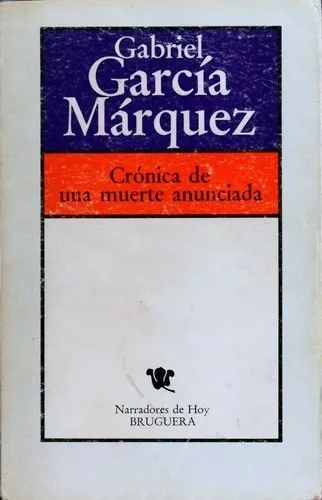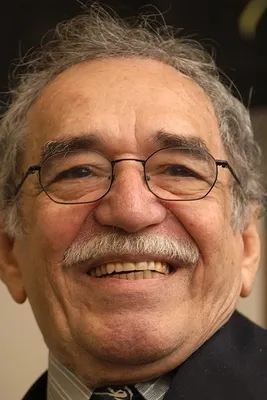
Gabriel García Márquez
Gabriel García Márquez was a Nobel laureate Colombian writer and journalist, celebrated for magical realism.
Gabriel García Márquez, born in Colombia in 1927, was a highly influential writer and journalist, widely regarded as a key figure of 20th-century literature, especially in the Spanish language. He received numerous accolades, including the Nobel Prize in Literature in 1982. His career began in journalism, a path he chose over law, and he was known for his outspoken political views from an early age.
Márquez is best known for his novels, which often incorporate fantastical elements into realistic settings, a style that came to be known as magical realism. His works achieved significant critical and commercial success, with "One Hundred Years of Solitude" being a global phenomenon. Many of his stories are set in the fictional village of Macondo and frequently explore the theme of solitude. He was also recognized as the most-translated Spanish-language author.
Early Influences and Upbringing
Gabriel García Márquez spent his formative years in Aracataca, Colombia, primarily under the care of his maternal grandparents. His grandfather, a Liberal war veteran, instilled in him a connection to history and reality, sharing stories and life lessons. His grandmother played a crucial role in shaping his perception of the world, treating the extraordinary as natural and filling their home with tales of omens and premonitions. This upbringing, where supernatural elements were presented as commonplace, significantly influenced his later literary style, particularly his ability to blend the magical with the mundane.
Journalism and Literary Beginnings
García Márquez's career commenced in journalism, a field he pursued after leaving law school. He worked for various newspapers, developing his writing skills and gaining a reputation for his critical stance on political matters. During this period, he became involved with the Barranquilla Group, an informal association of writers and journalists that fostered his literary development. His early journalistic experiences and exposure to writers like William Faulkner and Virginia Woolf laid the groundwork for his distinctive narrative techniques.
Magical Realism and Thematic Exploration
García Márquez is most celebrated for popularizing magical realism, a literary style that seamlessly integrates magical events into ordinary, realistic narratives. This approach, deeply influenced by his grandmother's storytelling and his perception of Latin American reality, allowed him to explore complex themes such as solitude, love, and the cyclical nature of history. Many of his iconic works are set in the fictional town of Macondo, serving as a microcosm for exploring the continent's life and conflicts.
Political Stance and Legacy
Throughout his life, García Márquez held steadfast leftist political beliefs. His views were shaped by his grandfather's experiences and his observations of political and social conflicts. He maintained a complex relationship with figures like Fidel Castro, advocating for socialist ideals while also engaging in nuanced critiques. His political engagement often informed his writing, providing a critical lens through which he examined power structures and societal issues. His passing in 2014 was mourned by Colombia, with the president calling him "the greatest Colombian who ever lived."
Key Ideas
- Magical realism: blending of magical elements with realistic settings
- Exploration of solitude as a central theme
- Influence of upbringing and grandparental figures on worldview
Notable Quotes
“for his novels and short stories, in which the fantastic and the realistic are combined in a richly composed world of imagination, reflecting a continent's life and conflicts”
Books by Gabriel García Márquez
0 free public domain books · Read online or download