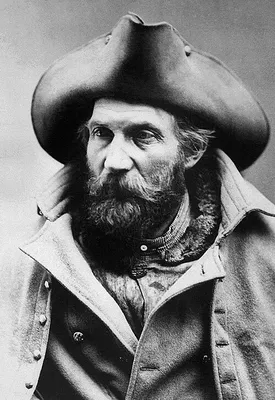
David J. Yount
Harry Yount was a Civil War veteran, wilderness guide, and the first game warden of Yellowstone National Park.
Harry S. Yount, also known as "Rocky Mountain Harry Yount," was a Union Army soldier, mountain man, hunter, and wilderness guide who played a significant role in the early days of Yellowstone National Park. After serving two terms in the Civil War, where he was wounded and captured, Yount worked as a hunter, prospector, and bullwhacker. He gained extensive experience in the Rocky Mountains as a guide for the Hayden Geological Surveys for seven years in the 1870s, mapping vast areas. His expertise led to his appointment as the first gamekeeper of Yellowstone National Park in 1880. During his 14 months in this position, Yount authored two reports for the Secretary of the Interior that detailed the challenges of wildlife protection and influenced the future National Park Service. He is considered by some to be the "father of the ranger service."
Early Life and Ancestry
Harry Yount's paternal lineage traces back to immigrants from Alsace-Lorraine who arrived in Philadelphia in 1731. His grandfather later relocated to Missouri. Harry's parents were David and Catherine Yount, and he was their tenth child. His uncle, George C. Yount, was an explorer and one of the first U.S. settlers in Napa Valley, California, which was then Mexican territory. The town of Yountville is named in his honor. While there are conflicting accounts regarding Harry Yount's exact birthdate and birthplace, research based on military enlistment papers, pension files, and census records indicates his birth on March 18, 1839, with his legal name being Henry S. Yount. His place of birth is most likely Harmony Township, Washington County, Missouri, rather than Pennsylvania.
Military Service and Post-War Life
Yount served in the Union Army during the Civil War, initially enlisting for six months in November 1861. He was wounded and captured by Confederate forces before the Battle of Pea Ridge in March 1862, enduring a month as a prisoner of war before a prisoner exchange. After re-enlisting in August 1862, he served until the war's conclusion, rising through the ranks to company quartermaster sergeant. His military service, particularly a forced march in bare feet, led to chronic rheumatism. Following the war, Yount worked as a bullwhacker for the U.S. Army, transporting supplies along the Bozeman Trail and engaging in conflicts with Native American tribes, though he expressed a nuanced view of their actions. He also worked as a buffalo hunter and collected specimens for the Smithsonian Institution. A planned marriage to Estella Braun ended with her death in a train wreck, and Yount never married.
Yellowstone National Park and Legacy
For seven years in the 1870s, Yount contributed to the Hayden Geological Surveys as a seasonal guide, wrangler, and packer, instrumental in mapping large sections of the Rocky Mountains. His extensive experience in wilderness environments led to his appointment in 1880 as the first gamekeeper of Yellowstone National Park. During his 14-month tenure, Yount produced two annual reports for the Secretary of the Interior, detailing the challenges of protecting wildlife in the nascent national park. These reports are recognized for their influence on the development of the National Park Service, established in 1916. Horace Albright, a later director of the National Park Service, referred to Yount as the "father of the ranger service" and the first national park ranger. Yount also continued prospecting throughout much of his later life.
Notable Quotes
“Rocky Mountain Harry Yount”
“father of the ranger service, as well as the first national park ranger”
Books by David J. Yount
0 free public domain books · Read online or download