✍️ Author Biography
📅 1182 – 1226
🌍 English
📚 2 free books
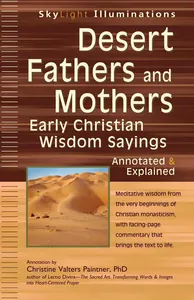
Christine Valters Paintner is an author exploring Catholic spirituality, particularly desert and monastic traditions, and their contemporary applications.
Christine Valters Paintner's work delves into various facets of Catholic spirituality, drawing from historical traditions and their relevance today. She examines the foundational principles of Catholic prayer, emphasizing the centrality of the Eucharistic liturgy and the development of personal prayer practices that align with liturgical seasons. Paintner also explores devotional piety, which mirrors Jesus Christ's prayerful relationship with God the Father, and highlights the encouragement for the laity to engage in the Liturgy of the Hours.
Her writings often focus on 'desert spirituality,' a tradition inspired by the Old Testament narrative of the Israelites' journey in the desert and Jesus' own time of testing. This spirituality emphasizes seeking God through solitude, prayer, and asceticism, echoing the practices of early Christian hermits like St. Anthony of Egypt. Paintner also touches upon distinct monastic traditions such as Benedictine, Franciscan, Dominican, and Carmelite spiritualities, each with its unique emphasis on community, poverty, preaching, or mystical experience.
Catholic Spirituality and Prayer
Catholic spirituality encompasses the ways individuals live out their faith through prayer and action, rooted in the Baptismal promise. The core of Catholic prayer is the Eucharistic liturgy, a communal celebration of faith. Beyond this, diverse forms of prayer have evolved over centuries, allowing individuals and religious orders to foster their personal relationship with God. These practices are designed to harmonize with and lead back to the liturgical seasons, reflecting the profound nature of the liturgy itself. Catholic devotional piety is inspired by Jesus Christ's example of prayer, particularly his address to God the Father. The Church encourages daily prayer, including the canonical hours found in the Liturgy of the Hours, accessible through various texts and digital resources.
Desert Spirituality and Monastic Traditions
Desert spirituality is a significant aspect of Paintner's focus, drawing from the Old Testament concept of the desert as a place of transformation and obedience to God. This tradition, exemplified by figures like St. Anthony of Egypt, involves seeking God through solitude, asceticism, and prayer. It highlights the eremitic vocation and its influence on early Christian monasticism. This spiritual path often incorporates practices like centering prayer, which uses a sacred word to draw the believer closer to God by quieting sensory and conceptual distractions, a practice with roots in medieval Catholic mysticism.
Exploring Diverse Monastic Approaches
Paintner's work also examines specific monastic spiritualities, each offering a unique path to spiritual growth. Benedictine spirituality emphasizes community, liturgical prayer, and detachment from worldly concerns, guided by the Rule of St. Benedict and practices like Lectio Divina. Franciscan spirituality is characterized by poverty, love of nature, and service to the needy, inspired by St. Francis of Assisi's life and his Canticle of the Sun. Dominican spirituality centers on prayer, study, community, and preaching God's Word, with the Rosary being a key devotional practice. Carmelite spirituality focuses on interior detachment, silence, solitude, and mystical experiences, exemplified by the writings of St. John of the Cross and St. Teresa of Ávila.
Key Ideas
- Catholic spirituality as lived through prayer and action
- Centrality of Eucharistic liturgy
- Development of personal prayer practices
- Desert spirituality as a path of seeking God through solitude and asceticism
- Inspiration from early Christian hermits and monastic traditions
- Exploration of specific monastic orders (Benedictine, Franciscan, Dominican, Carmelite) and their unique characteristics