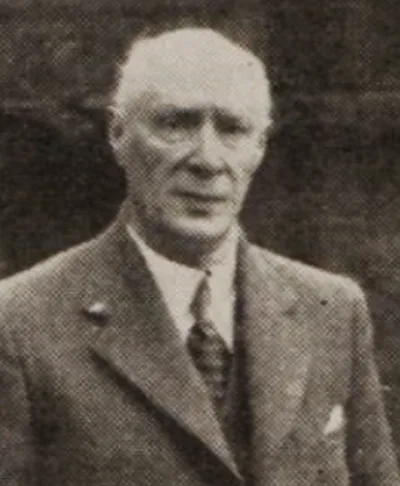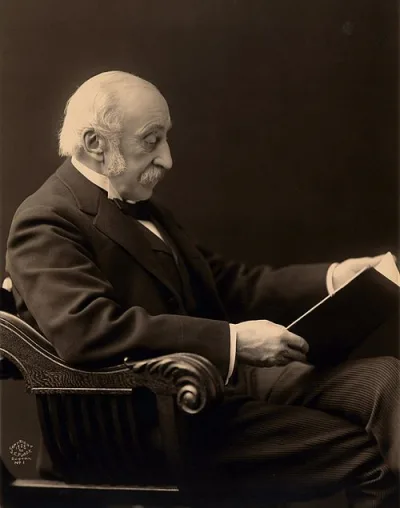
Charles Eliot Norton was a prominent American author, critic, and Harvard professor known for his influence on art and literature.
Charles Eliot Norton (1827–1908) was a distinguished American author, social critic, and professor of art at Harvard University. Hailing from a notable New England family, he was recognized by his contemporaries as a highly cultured individual and a proponent of progressive social reform. Norton's intellectual pursuits spanned literature and art, leading him to translate Dante's works and champion the Arts and Crafts movement. His extensive travels in Europe significantly shaped his perspectives, fostering friendships with prominent literary figures like John Ruskin and Thomas Carlyle. He played a crucial role in establishing influential literary societies and academic institutions, leaving a lasting legacy through his academic contributions and personal influence.
Literary and Artistic Pursuits
Norton dedicated himself to literature and art, notably translating Dante Alighieri's "Vita Nuova" and "Divina Commedia." His engagement with European culture, particularly through his interactions with John Ruskin and pre-Raphaelite painters, profoundly influenced his aesthetic sensibilities. During the Civil War, he served as secretary for the Loyal Publication Society, contributing to wartime communication. He also co-edited the influential "North American Review" and was instrumental in the formation of the informal Dante Club with James Russell Lowell and Henry Wadsworth Longfellow.
Academic and Intellectual Influence
Norton's academic career at Harvard began with teaching in 1874, culminating in his appointment as professor of the history of art in 1875, a position created specifically for him. His teaching focused on pivotal periods in art history, including classical Athens and the Italian Renaissance. He was a founding member of the Archaeological Institute of America and served as its first president. Norton's influence extended beyond his direct publications; he was a pivotal figure in fostering connections between American and English men of letters and was known for his personal intellectual magnetism rather than solely his literary output.
Concepts of Civilization and Social Reform
Norton developed a concept of "Western Civilization" informed by his extensive scholarship across diverse fields, from ancient history to 19th-century painting, filtered through his pedagogical experience. He was a proponent of the Arts and Crafts movement, believing in the value of meaningful workmanship for the working class, echoing the ideals of his friend John Ruskin. In his later years, Norton also became an advocate for legalized euthanasia, lending his support to movements promoting physician-assisted suicide legislation.
Key Ideas
- The value of meaningful workmanship for the working class
- The concept of Western Civilization derived from broad historical and artistic study
- Advocacy for legalized euthanasia
Books by
4 free public domain books · Read online or download