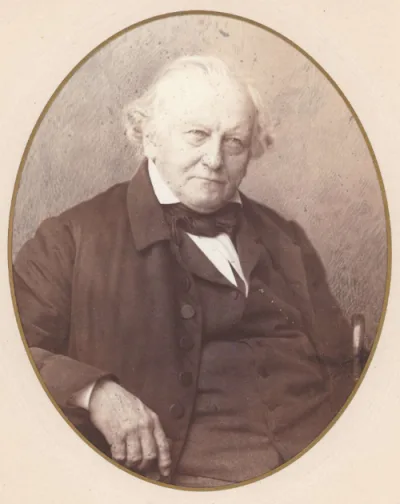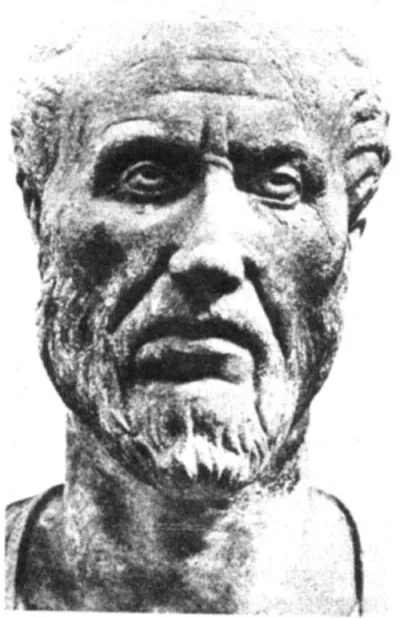
Ambrosius Aurelius Theodosius Macrobius
Macrobius, a Roman writer of late antiquity, is known for his influential commentaries and compendiums of classical knowledge.
Macrobius Ambrosius Theodosius, commonly known as Macrobius, was a Roman author active around the early fifth century AD, during the period of late antiquity. His writings were significant in transmitting classical learning, particularly Neoplatonism, to the Middle Ages. He is primarily recognized for his "Commentary on the Dream of Scipio," which served as a crucial conduit for Neoplatonic thought in the Latin West. Another major work is the "Saturnalia," a compilation of ancient Roman lore concerning religion and antiquities. A third treatise on Greek and Latin verbs is now lost.
Little is definitively known about Macrobius's life, leading to considerable scholarly speculation. He indicated he was born "under a foreign sky," and both his major works are dedicated to his son, Eustachius. His writings suggest he was a pagan, and his deep engagement with Greek literature has led some to believe he was of Greek origin or born in a Greek-speaking region, while others point to his greater fluency in Latin and favor a North African origin. Attempts to identify him with specific political figures of his time have faced challenges due to name discrepancies and the nature of those offices.
Commentary on the Dream of Scipio
Macrobius's most impactful work was his "Commentary on the Dream of Scipio," an exposition on Cicero's "Dream of Scipio." This commentary delved into the nature of the cosmos and the afterlife, drawing heavily on Stoic and Neoplatonic philosophies. It played a vital role in preserving and disseminating classical philosophical ideas to medieval scholars. Within astronomical contexts, the work is noted for its assertion that the Sun's diameter was twice that of the Earth. This commentary was widely disseminated and highly regarded throughout the Middle Ages, making it one of the most significant sources for understanding Neoplatonism in the Western world during that era.
Saturnalia
The "Saturnalia" is a comprehensive compendium of Roman cultural and intellectual history, presented as a series of dialogues among learned individuals during the Saturnalia festival. Macrobius meticulously gathered and preserved a wide array of information on Roman religious practices, mythology, history, and grammatical points. This work offers valuable insights into the antiquarian interests and scholarly discussions of the late Roman elite. It functions as a repository of classical knowledge, covering diverse topics and demonstrating Macrobius's extensive learning and his dedication to documenting the traditions and lore of ancient Rome for future generations.
Scholarly Identity and Origins
The precise origins and identity of Macrobius remain subjects of scholarly debate. He described himself as having been born "under a foreign sky," and while his deep engagement with Greek literature suggests a connection to the Greek-speaking world, his evident mastery of Latin and enthusiasm for Roman authors like Virgil and Cicero have led others to propose origins in the Latin-speaking regions, such as North Africa. His known name, Macrobius Ambrosius Theodosius, appears in various forms in manuscripts, and identifications with historical figures holding titles like Praetorian Prefect or Proconsul have been proposed but are not definitively confirmed, often due to incomplete naming or conflicting evidence.
Key Ideas
- Transmission of Neoplatonism to the Latin West
- Compilation of ancient Roman religious and antiquarian lore
- Cosmological descriptions based on classical philosophy
Notable Quotes
“born under a foreign sky”
Books by Ambrosius Aurelius Theodosius Macrobius
5 free public domain books · Read online or download