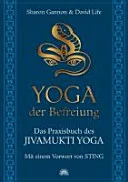
Yoga der Befreiung
 73
73

Yoga der Befreiung
Yoga der Befreiung offers a robust exploration of the Jivamukti method, moving beyond the purely physical to engage deeply with yogic philosophy and ethics. Gannon and Life present a compelling argument for yoga as a path to total liberation, grounded in ancient texts but vibrantly alive for contemporary practitioners. The integration of diverse elements—chanting, meditation, veganism, activism—into a cohesive practice is a significant strength. However, for readers unfamiliar with the Jivamukti lineage, the sheer density of philosophical references and specific terminology can present a steep learning curve. The section discussing the 'Five Tenets of Jivamukti Yoga' provides a clear, albeit demanding, framework. Ultimately, this work serves as an essential, if challenging, guide for those seeking to embody a deeply ethical and spiritually integrated yoga practice.
📝 Description
73
Yoga der Befreiung, published in 2010, details the Jivamukti Yoga method.
This book lays out the Jivamukti Yoga method, created by Sharon Gannon and David Life. It connects physical poses with spiritual ideas, chanting, meditation, and ethical practices. The authors show how yoga can free people not only from physical limits but also from mental and societal pressures. The text aims to equip practitioners with the knowledge to use yoga's liberating power in their lives.
The book is for serious yoga students who want to understand the philosophy behind their practice more deeply. It will appeal to those interested in the Jivamukti style, as well as people looking for a yoga approach that is holistic and spiritual. Students and teachers wanting to combine yogic philosophy, activism, and ethical living will find much here. It is also useful for those studying comparative religion and Eastern philosophies who are interested in modern takes on older traditions.
Published in 2010, Yoga der Befreiung emerged as the Western yoga scene was increasingly looking beyond physical practice to its spiritual and philosophical roots. The Jivamukti method, founded in the early 1980s, offered a distinct path. It emphasized veganism, activism, and chanting, differing from lineages focused solely on asana. This book sits within a tradition of modern yoga that seeks to synthesize ancient teachings with contemporary social and personal concerns, bridging the gap between classical yogic thought and modern life.
💡 Why Read This Book?
• Understand the Jivamukti method's unique blend of physical practice and spiritual philosophy, learning how concepts like 'Sadhana' and 'Moksha' are integrated, offering a path to freedom beyond the mat. • Explore the ethical dimensions of yoga, specifically how the principles of 'Ahimsa' are applied to contemporary issues like animal rights and environmentalism, fostering a more compassionate and engaged lifestyle. • Discover the significance of Sanskrit chanting and its role in spiritual practice, as detailed within the book's exploration of yogic sound traditions, potentially deepening your meditative and devotional experiences.
⭐ Reader Reviews
Honest opinions from readers who have explored this book.
❓ Frequently Asked Questions
What is the core philosophy behind Jivamukti Yoga as presented in Yoga der Befreiung?
The core philosophy is that yoga is a path to liberation ('Moksha') through dedicated practice ('Sadhana'). It integrates physical postures, chanting, meditation, ethical living, and activism, emphasizing the interconnectedness of all beings and the pursuit of freedom from suffering.
When was Yoga der Befreiung first published and who are the authors?
Yoga der Befreiung was first published in 2010. The authors are Sharon Gannon and David Life, the co-founders of the Jivamukti Yoga method.
Does the book focus solely on asana (physical postures)?
No, Yoga der Befreiung goes far beyond asana. While it acknowledges the importance of physical practice, it emphasizes the integration of spiritual philosophy, chanting, meditation, ethical principles (like the Yamas and Niyamas), and activism as integral components of the Jivamukti path.
What is the significance of 'Ahimsa' in the context of this book?
'Ahimsa,' meaning non-violence, is a central tenet. In Yoga der Befreiung, it is interpreted broadly to encompass not only personal conduct but also ethical considerations regarding animal rights and environmental protection, reflecting the Jivamukti school's activist stance.
Is Yoga der Befreiung suitable for absolute beginners to yoga?
While beginners can find value in its philosophical discussions, the book is primarily geared towards dedicated practitioners and teachers seeking a deeper, more integrated understanding of yoga. Its depth of philosophy and specific Jivamukti concepts might be challenging for those new to the practice.
What historical context is important for understanding this book?
Published in 2010, it reflects the Western yoga scene's growing interest in philosophy beyond asana. The Jivamukti method, founded in the early 1980s, offered a distinct spiritual, ethical, and activist approach compared to other lineages popular at the time.
🔮 Key Themes & Symbolism
The Path to Moksha
Yoga der Befreiung posits that the ultimate aim of yoga is 'Moksha,' or liberation. This isn't merely freedom from physical pain but a profound release from mental conditioning, societal constraints, and ignorance. The book details how the many-sided Jivamukti practice, encompassing asana, pranayama, meditation, chanting, and ethical living, serves as a systematic path toward this ultimate freedom, urging practitioners to see every aspect of life as an opportunity for spiritual growth and liberation.
Ethical Living and Ahimsa
A central to the Jivamukti philosophy presented here is the principle of 'Ahimsa' (non-violence). The work extends this concept beyond personal interactions to advocate for compassion towards all sentient beings, strongly promoting veganism and environmental consciousness. It frames ethical action not as an optional add-on but as an intrinsic part of spiritual practice, arguing that true liberation requires addressing the suffering caused by exploitation and ecological destruction.
Integration of Practice and Philosophy
This text meticulously outlines how the Jivamukti method integrates ancient yogic philosophies with contemporary life. It moves beyond a purely physical interpretation of yoga, emphasizing the importance of scripture study, devotional practices like chanting, and contemplative meditation. The book demonstrates how these elements, when woven together, create a powerful synergy that supports both personal transformation and a conscious engagement with the world.
The Role of Chanting and Sound
Yoga der Befreiung highlights the transformative power of Sanskrit chanting ('mantra') within the Jivamukti tradition. It explains how specific chants and their vibrations can help purify the mind, awaken spiritual awareness, and foster a connection to the divine. The book encourages practitioners to embrace chanting not just as a ritual, but as a potent tool for shifting consciousness and deepening their yogic journey.
💬 Memorable Quotes
Direct passages from the work, attributed to the author.
“Yoga is not a religion, but a path to discovering the truth of who you are.”
— This statement emphasizes the experiential and personal nature of yoga as presented in the Jivamukti method, positioning it as a universal discipline for self-realization rather than a dogma-bound belief system.
“The Yamas and Niyamas are the foundation for a life of freedom and compassion.”
— This highlights the ethical framework of yoga, suggesting that adherence to these ancient principles is crucial for both individual liberation and for cultivating a more humane and non-violent world.
“Every action, from your asana to your diet, is a spiritual practice.”
— This underscores the Jivamukti philosophy of integrating spiritual awareness into all aspects of daily life, viewing mundane activities as opportunities for conscious engagement and growth.
“True liberation involves freeing not only yourself but all beings.”
— This points to the interconnectedness of existence and the ethical imperative within Jivamukti yoga to extend compassion and work towards the liberation of all sentient life.
“Sound is a powerful tool for transforming consciousness.”
— This interpretation focuses on the importance of chanting and mantra within the Jivamukti practice, indicating its role in shifting mental states and deepening spiritual connection.
🌙 Esoteric Significance
Tradition
Yoga der Befreiung firmly situates itself within the broader lineage of Indian yogic philosophy, specifically interpreting and adapting it through the lens of the Jivamukti Yoga method. While drawing heavily on classical texts like the Yoga Sutras of Patanjali and the Bhagavad Gita, it integrates these with a modern, often Western-influenced, ethical and activist framework. It departs from purely monastic or ascetic interpretations, advocating for engagement with the world as a means of spiritual practice.
Symbolism
Key symbols explored include 'AUM,' representing the primordial sound and the totality of consciousness, used extensively in chanting. The concept of 'Nada Yoga' (the yoga of sound) is central, highlighting the transformative power of vibration. 'Moksha' itself functions as a potent symbol of ultimate freedom, representing the unconditioned state of being that yoga aims to reveal. The integration of animal imagery and themes often points towards the principle of 'Ahimsa' and interconnectedness.
Modern Relevance
Contemporary practitioners and teachers, particularly within the Jivamukti lineage and related schools, continue to draw on this work. Thinkers and activists focused on conscious living, veganism, environmentalism, and social justice often find resonance with the book's ethical directives. Its approach also informs modern interpretations of 'embodied spirituality,' bridging the gap between inner transformation and outward action in diverse spiritual communities.
👥 Who Should Read This Book
• Dedicated yoga practitioners aiming to deepen their philosophical understanding and integrate ethical principles into their lives, particularly those interested in the Jivamukti method's unique approach. • Yoga teachers seeking to expand their teaching repertoire beyond asana, incorporating chanting, meditation, and yogic philosophy to offer a more holistic practice. • Individuals interested in comparative religion and Eastern philosophies who want to explore modern interpretations of yogic traditions and their application to contemporary social and ethical issues.
📜 Historical Context
Published in 2010, Yoga der Befreiung arrived as Western yoga continued its rapid evolution beyond its physical asana focus. The Jivamukti method, co-founded by Sharon Gannon and David Life in the early 1980s, represented a significant branch emphasizing spiritual depth, ethical commitment, and activism. This was a period when yoga teachers like John Friend (Anusara Yoga) were also gaining prominence, each offering distinct philosophical frameworks. While B.K.S. Iyengar's comprehensive alignment principles and Pattabhi Jois's Ashtanga Vinyasa system remained influential, Jivamukti distinguished itself by foregrounding Sanskrit chanting, veganism, and a strong social justice agenda, directly engaging with contemporary ethical debates in a way that set it apart from more traditional lineages.
📔 Journal Prompts
The practice of Sadhana as a path to Moksha.
Reflecting on the expansive interpretation of Ahimsa.
The role of chanting in transforming consciousness.
Connecting the Yamas and Niyamas to daily actions.
Embodying the principle of non-violence in modern life.
🗂️ Glossary
Sadhana
Spiritual practice undertaken for self-realization. In the Jivamukti context, it encompasses asana, chanting, meditation, study, and ethical living.
Moksha
Liberation or release from the cycle of birth and death (samsara) and from suffering; the ultimate goal of yogic practice.
Ahimsa
The principle of non-violence or non-harming, extended in Jivamukti to include compassion for all sentient beings and environmental consciousness.
Yamas
The five ethical restraints or moral disciplines outlined in yoga philosophy (non-violence, truthfulness, non-stealing, moderation, non-possessiveness).
Niyamas
The five ethical observances or disciplines related to oneself (purity, contentment, austerity, self-study, surrender to a higher power).
Nada Yoga
The yoga of sound; a practice involving the use of chanting, music, or listening to subtle sounds to achieve meditative states and spiritual insight.
Jivamukti
A specific style of yoga founded by Sharon Gannon and David Life, emphasizing spiritual liberation through vigorous physical practice, chanting, meditation, scripture study, and activism.