Wizard's First Rule

 71
71

Wizard's First Rule
Terry Goodkind's Wizard's First Rule, the 2001 debut of the Sword of Truth saga, immediately establishes a grand scale and a philosophical undercurrent often absent in genre fantasy. The introduction of Richard Cypher as the reluctant hero, the Seeker of Truth, is compelling, particularly as he grapples with powers and a destiny he never sought. Goodkind excels at presenting complex moral quandaries through the actions of his characters, forcing readers to question the nature of truth and the cost of wielding power. The concept of the Wizard's First Rule itself—that people are only as strong as they believe they are—is a potent philosophical anchor. However, the narrative occasionally falters under the weight of its own ambition, with pacing that can feel uneven and certain plot developments that strain credulity, especially in its exploration of the Confessors. Despite these minor stumbles, the sheer scope of the world and the depth of the thematic material make it a significant entry in the fantasy canon. It’s a solid, if occasionally overwrought, beginning to an expansive series.
📝 Description
71
Terry Goodkind's Wizard's First Rule, published in 2001, starts the Sword of Truth series.
Richard Cypher, a woods guide, becomes embroiled in a conflict between the Midlands and the D'Haran Empire after discovering his destiny as the Seeker of Truth. This prophesied figure holds the power to challenge a tyrannical ruler. The novel blends high fantasy elements with examinations of magic, power, and free will. It appeals to readers of epic fantasy who value detailed world construction and character development. The story will engage those interested in moral questions within a magical setting, the nature of truth, and the dangers of unrestrained power. Readers familiar with prophecies, chosen heroes, and large quests will find recognizable elements.
Published in 2001, this book arrived during a popular period for epic fantasy. Goodkind's work contributed to a developing subgenre that looked at darker themes and more complex ethical issues than earlier fantasy. The novel appeared in a literary environment where other authors were also starting to question traditional fantasy narratives with more grounded stories. Its reception was generally favorable among fantasy readers, though discussions about its pacing and structure also occurred.
The book centers on the 'Wizard's First Rule,' a core principle of magic stating that belief and perception shape reality. This idea is shown through Richard's growing magical abilities and the antagonist Darken Rahl's actions. The narrative also introduces the 'Seeker,' a foretold individual destined for great power. These concepts touch upon the esoteric idea that consciousness and will can directly affect the external world, a theme found in various magical traditions that explore the mind's power to manifest.
💡 Why Read This Book?
• Gain insight into the fundamental magical principle of the 'Wizard's First Rule,' understanding how belief shapes reality within the narrative's unique magical system. • Explore the complex ethical landscape presented through Richard Cypher's journey as the Seeker of Truth, confronting the burdens and temptations of immense power. • Witness the intricate world-building of the Midlands and D'Haran Empire, a setting detailed with unique magical orders like the Confessors, first introduced in this 2001 novel.
⭐ Reader Reviews
Honest opinions from readers who have explored this book.
❓ Frequently Asked Questions
What is the core philosophical concept presented in Wizard's First Rule?
The book's central philosophical concept is the 'Wizard's First Rule,' which posits that people are as strong as they believe themselves to be. This principle influences character actions and the manifestation of magic throughout the narrative.
Who is the main protagonist in Wizard's First Rule?
The main protagonist is Richard Cypher, a woods guide who discovers he is the Seeker of Truth. His journey involves understanding and wielding immense magical power to confront tyranny.
When was Wizard's First Rule first published?
Wizard's First Rule was first published in 2001, marking the beginning of Terry Goodkind's Sword of Truth series.
What is the significance of the Confessors in the book?
The Confessors are a group of magic users who can inflict unbearable pain through confession. They represent a dangerous and morally ambiguous form of power within the story's world.
What is the primary conflict in Wizard's First Rule?
The primary conflict involves Richard Cypher and his allies fighting against the tyranny of Darken Rahl and the D'Haran Empire, a struggle for freedom and truth.
Does Wizard's First Rule have connections to other fantasy works?
Published in 2001, it emerged in a period of popular epic fantasy, sharing thematic and structural elements with contemporaries like Robert Jordan's Wheel of Time series.
🔮 Key Themes & Symbolism
The Nature of Truth
The narrative deeply interrogates the concept of truth, not just as factual accuracy but as a subjective force shaped by perception and belief. Richard Cypher, as the Seeker of Truth, embodies the struggle to discern and wield this power. The book suggests that truth is not static but a dynamic entity, influenced by individual will and collective understanding. This theme is central to understanding the magic system and the antagonist's motivations, as they seek to control or distort truth itself for their own ends.
The Corrupting Influence of Power
Wizard's First Rule meticulously explores how absolute power can corrupt, even when wielded with initially good intentions. The antagonist, Darken Rahl, serves as a prime example of unchecked ambition leading to tyranny. However, the book also examines the temptation of power within the protagonists, particularly Richard's struggle to control his burgeoning abilities without succumbing to their seductive nature. This theme is vital to the moral complexity of the story, highlighting the constant vigilance required to maintain integrity.
Destiny and Free Will
The novel presents a compelling interplay between predestination and individual choice. Richard is identified as a prophesied figure, the Seeker, seemingly destined for a specific path. Yet, his journey is fraught with decisions that challenge this destiny, forcing him to actively shape his future rather than passively accept it. The book questions whether prophecy dictates an unalterable fate or merely presents potential outcomes, emphasizing the agency of the individual in their own life's narrative.
Magic as Perception
Central to the book's esoteric framework is the idea that magic is fundamentally tied to belief and perception, as encapsulated by the Wizard's First Rule. This principle extends beyond spellcasting, influencing the very fabric of reality within the story. Characters' convictions, fears, and understandings directly impact their magical capabilities and the world around them. This approach offers a unique perspective on magic, grounding it in psychological and philosophical principles rather than purely external forces.
💬 Memorable Quotes
Direct passages from the work, attributed to the author.
“People are only as strong as they believe they are.”
— This is the foundational 'Wizard's First Rule.' It underscores the theme that inner conviction and self-perception are the ultimate determinants of strength, influencing not only personal capabilities but also the very nature of reality and magic within the story's world.
“To use magic is to lie.”
— This provocative statement implies that magic inherently involves deception, either by altering perception or by creating illusions. It raises questions about the authenticity of magical acts and the ethical implications of manipulating reality.
“The greatest harm can result from the best intentions.”
— This highlights the theme of unintended consequences, particularly relevant to the wielding of power and magic. It warns that even actions motivated by good can lead to disastrous outcomes if not carefully considered.
💡 Key Ideas
Editorial paraphrase of the work's core concepts — not direct quotes.
The only thing that is constant is change.
This quote speaks to the dynamic and ever-evolving nature of life, power, and even truth within the narrative. It suggests that adaptation and acceptance of flux are essential for survival and understanding in a world where nothing remains static.
Truth is not the same as what is true.
This quote distinguishes between subjective perception of truth and objective reality. It suggests that what people believe to be true may not align with actual facts, a critical element in the protagonist's quest.
🌙 Esoteric Significance
Tradition
While not explicitly tied to a single esoteric lineage, Wizard's First Rule draws heavily on archetypal themes found within Western esotericism, particularly Gnosticism and Hermeticism. The concept of the 'Seeker of Truth' echoes Gnostic quests for hidden knowledge and liberation from illusion. The focus on the power of belief and perception ('Wizard's First Rule') aligns with Hermetic principles like 'As Above, So Below' and the mental nature of reality. Goodkind synthesizes these ideas into a fantasy framework, making them accessible to a broad audience.
Symbolism
The 'Sword of Truth' itself is a potent symbol, representing not just physical power but the clarity and incorruptibility of genuine truth. The 'Wizard's First Rule' functions as a symbolic anchor for the book's philosophy, illustrating how subjective reality is constructed. The Confessors, with their power derived from confession and pain, symbolize the darker aspects of control and the manipulation of psychological vulnerabilities, representing a perversion of inner truth.
Modern Relevance
Contemporary thinkers and practitioners in areas like positive psychology and manifestation often echo the core tenets of the 'Wizard's First Rule,' emphasizing the power of mindset and belief in shaping personal outcomes. The book's exploration of the hero's journey and the struggle against tyranny continues to resonate with modern readers seeking narratives of empowerment and resistance. Its blend of philosophical depth and fantastical adventure makes it a touchstone for discussions on narrative as a vehicle for exploring complex psychological and spiritual ideas.
👥 Who Should Read This Book
• Fans of epic fantasy who appreciate intricate world-building and morally complex characters, particularly those drawn to series like The Wheel of Time or A Song of Ice and Fire. • Readers interested in philosophical explorations within fiction, especially themes of truth, power, destiny, and the nature of reality, seeking a narrative that prompts deeper reflection. • Individuals exploring the concept of belief and its impact on personal power and perception, looking for fictional examples that illustrate these psychological and potentially esoteric principles.
📜 Historical Context
Published in 2001, Wizard's First Rule arrived in a golden age for epic fantasy, a genre revitalized by the global phenomenon of J.R.R. Tolkien's Middle-earth and the burgeoning success of Robert Jordan's The Wheel of Time. Terry Goodkind's work distinguished itself by integrating complex philosophical inquiries into the traditional quest narrative. Unlike the more straightforward heroic arcs prevalent in earlier fantasy, Goodkind's text, particularly through the introduction of figures like the Confessors and the nuanced exploration of magic's ethical dimensions, began to mirror the darker, more morally ambiguous territories being explored by authors like George R.R. Martin in A Song of Ice and Fire. The novel's reception was enthusiastic among fantasy aficionados, cementing Goodkind's place within the contemporary fantasy landscape and contributing to a trend of deeper, more introspective explorations within the genre.
📔 Journal Prompts
The Wizard's First Rule and your own perceived limitations.
Richard Cypher's burden as the Seeker of Truth.
The Confessors' use of pain and confession.
Analyzing the D'Haran Empire's structure and Darken Rahl's motivations.
The balance between destiny and free will in your own life.
🗂️ Glossary
Seeker of Truth
A prophesied individual destined to wield immense magical power and confront evil. Richard Cypher is the Seeker in this series, tasked with fighting against tyranny and upholding truth.
Wizard's First Rule
The fundamental magical principle stating that people are only as strong as they believe themselves to be. This concept dictates that belief shapes reality and power.
Confessors
A group of magic users who possess the terrifying ability to inflict unbearable pain through confession, forcing victims to reveal their deepest secrets and fears.
D'Haran Empire
A vast and militaristic empire ruled by Darken Rahl, representing the primary antagonistic force in the early part of the series, characterized by its oppressive regime.
Midlands
The collective name for the lands and peoples situated between the Westland and the D'Haran Empire, often caught in the conflict between these two powers.
Power of Truth
A potent form of magic wielded by the Seeker, intrinsically linked to the concept of truth and capable of profound effects on reality and individuals.
Westland
The region where Richard Cypher originates, generally considered less magical and more isolated than the Midlands or D'Haran territories.
🔮 Readers Also Liked
Browse all →








More by Terry Goodkind
All books →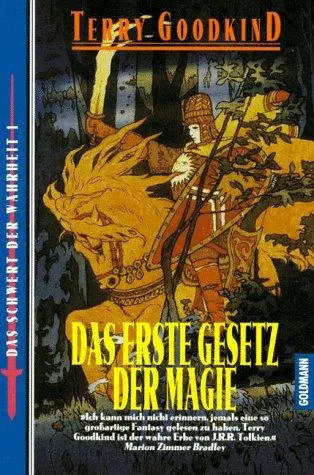
More Free Magic & Ritual Books
View all →