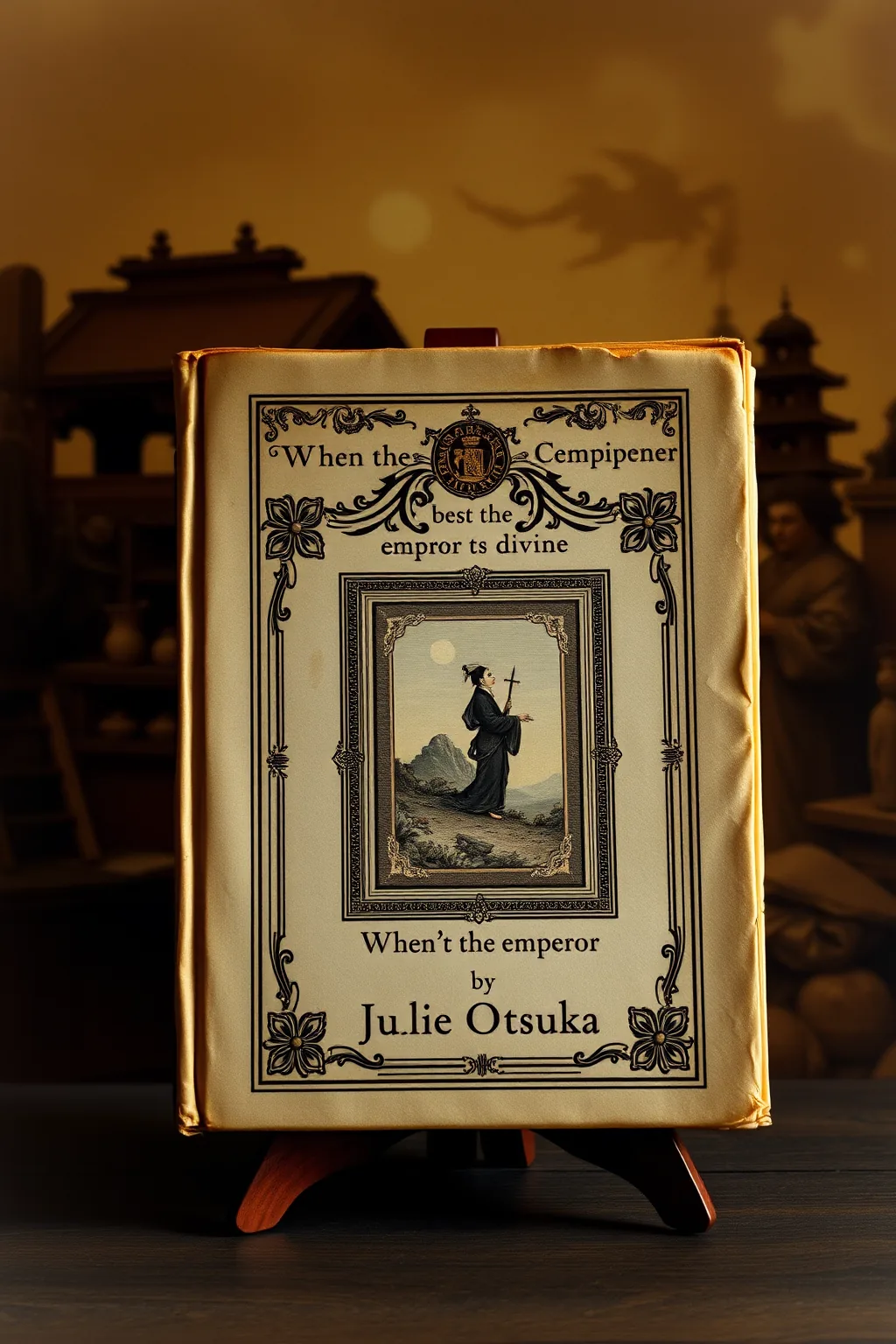
When the emperor was divine
 70
70

When the emperor was divine



Celeste Moreau, Divination & Symbolism Reviewer: Julie Otsuka's debut, "When the Emperor Was Divine," offers a masterful exploration of collective trauma through an almost spiritual lens. The novel’s fragmented narrative evokes the fractured psyche of those interned, mirroring the symbolism of broken mirrors and scattered fragments found in many esoteric traditions. The stark imagery of the desert and the forced ordinariness of camp life become a canvas for profound introspection. Otsuka’s prose, spare yet resonant, encourages a deep dive into the subconscious responses to oppression. This is a book for those who seek understanding not just through historical fact, but through the archetypal resonance of human experience, offering a potent reminder of the unseen forces that shape our destinies.
📝 Description
70
Julie Otsuka's 2002 novel imagines the Japanese American internment experience through a family's fragmented memories.
When the Emperor Was Divine chronicles the forced relocation of a Japanese American family during World War II. The narrative unfolds through the distinct viewpoints of a mother, father, daughter, and son, each offering a piece of the experience. Otsuka uses sparse prose to convey the emotional weight of displacement, focusing on the quiet endurance of the characters as their lives are upended. The book details their journey from their California home to internment camps in the Utah desert, illustrating the loss of identity and dignity. It captures the subtle ways daily life is altered and the unspoken realities of their confinement.
The story touches on the disruption of family bonds and the struggle to maintain a sense of self amidst profound injustice. It highlights the search for understanding and meaning when stripped of familiar surroundings and societal acceptance. The novel does not offer grand pronouncements but instead focuses on the internal landscape of individuals grappling with an imposed reality. It is a quiet observation of resilience found in the everyday acts of living.
While not explicitly religious, the novel engages with esoteric themes through its focus on interiority and the power of memory. The characters' internal responses to extreme external pressures suggest a form of spiritual resilience. The narrative emphasizes the unspoken, the significance of small gestures, and the subjective experience of suffering, aligning with traditions that find meaning in the inner life rather than outward dogma. It explores how individuals construct meaning and maintain their sense of self when conventional structures of society and identity are dismantled, a process that can be understood as a form of personal gnosis or self-discovery.
💡 Why Read This Book?
Embark on a journey into the heart of human endurance. "When the Emperor Was Divine" offers a unique, introspective perspective on a dark chapter of history, revealing the spiritual fortitude found in adversity. It's ideal for seekers of profound narrative, scholars of historical fiction, and practitioners interested in the psychological and symbolic dimensions of collective trauma.
⭐ Reader Reviews
Honest opinions from readers who have explored this book.
❓ Frequently Asked Questions
What is the central theme of 'When the Emperor Was Divine'?
The novel explores themes of identity, displacement, resilience, and the profound impact of historical injustice on individuals and families, viewed through a lens of quiet introspection and symbolic resonance.
How does the novel portray the internment experience?
It depicts the internment through the fragmented, intimate perspectives of a Japanese American family, focusing on their emotional journeys, the stripping away of their former lives, and their struggle to maintain dignity and connection amidst harsh conditions.
What makes this book relevant to esoteric interests?
The novel's focus on subtle emotional shifts, the symbolic weight of landscape, and the internal resilience of the human spirit touches upon themes of inner fortitude and the search for meaning, often explored in esoteric traditions.
Is this book based on true events?
Yes, the novel is loosely based on the wartime experiences of the author's mother's family, offering a fictionalized yet deeply personal account of Japanese American internment.
Who is the intended audience for this book?
The book appeals to readers interested in historical fiction, literary fiction, American history, and those who appreciate introspective narratives that delve into the complexities of the human condition and the search for meaning.
🔮 Key Themes & Symbolism
The Unseen Threads of Identity
The novel masterfully ties a narrative around the concept of identity, not as a fixed entity, but as something fluid and constantly redefined by external forces and internal resilience. The Japanese American characters grapple with their perceived Americanness versus their ancestral heritage, a conflict amplified by their forced relocation. This theme resonates deeply with esoteric inquiries into the nature of the self, the soul's journey, and the universal quest to understand one's place in the cosmos, even when stripped of societal markers.
Silence as a Sacred Space
Otsuka employs silence not as an absence of sound, but as a profound narrative device, creating a sacred space for reflection and unspoken emotions. The quiet endurance of the internment camp inmates, their carefully guarded thoughts, and the unspoken fears and hopes become a powerful proof of inner strength. This concept aligns with contemplative practices in various esoteric traditions that emphasize meditation, introspection, and the wisdom found in stillness, suggesting that true understanding often arises from within.
The Symbolism of Landscape
The stark, unyielding landscapes of California and the Utah desert serve as potent symbols in the novel. They represent not only the physical confinement but also the internal desolation and the harsh realities of displacement. These environments become mirrors reflecting the characters' inner states, hinting at archetypal patterns of exile and the search for spiritual grounding. Esoteric traditions often utilize landscape symbolism to represent stages of spiritual development, the challenges of the material world, and the hidden potential for transformation within adversity.
💬 Memorable Quotes
Direct passages from the work, attributed to the author.
“It was difficult to remember what it was like to be a person.”
— This poignant line expresses the profound dehumanization experienced during internment, suggesting a loss of self and an existential stripping away of one's identity, a theme explored in spiritual crises.
“The wind blew dust into our mouths. We ate dust. We breathed dust.”
— This visceral imagery speaks to the pervasive, inescapable nature of their hardship, symbolizing the constant ingestion of their altered reality and the struggle to find purity amidst contamination.
“We had been a family. Now we were just people in a barracks.”
— This highlights the erosion of familial bonds and social structures, emphasizing the isolation and the profound sense of loss of belonging that characterized the internment experience.
“The world outside kept going. We did not.”
— This speaks to the profound disconnect and temporal displacement experienced by the internees, illustrating the feeling of being frozen in time while the rest of existence continued, a metaphor for stagnation.
💡 Key Ideas
Editorial paraphrase of the work's core concepts — not direct quotes.
We were not people anymore. We were just bodies.
A stark declaration of objectification, this quote highlights the loss of individuality and the reduction of human beings to mere physical forms, a common concern in philosophies examining the essence of being.
🌙 Esoteric Significance
Tradition
While not explicitly tied to a single esoteric tradition, the novel resonates deeply with themes found in Stoicism, contemplative Buddhism, and hermetic philosophy. The emphasis on inner resilience, acceptance of fate, finding peace amidst suffering, and the symbolic interpretation of external circumstances align with practices that seek spiritual enlightenment through understanding and inner transformation, regardless of external conditions.
Symbolism
The desert landscape serves as a powerful symbol of spiritual testing and purification, a place where the ego is stripped away, and the true self can emerge. The act of eating and breathing dust symbolizes the inescapable nature of their reality and the absorption of their new, harsh existence. The fragmentation of the narrative mirrors the fractured lives and shattered sense of self experienced by the internees, hinting at the alchemical process of breaking down old forms to create something new, albeit painfully.
Modern Relevance
In an era marked by ongoing discussions of civil liberties, displacement, and the impact of societal prejudice, "When the Emperor Was Divine" offers a timeless reflection on the human cost of fear and discrimination. Its exploration of resilience and the search for meaning in the face of adversity holds profound lessons for individuals navigating personal challenges and for societies grappling with issues of justice, empathy, and the preservation of human dignity.
👥 Who Should Read This Book
This novel is a potent offering for a diverse readership. Beginners to historical fiction will find a compelling and accessible entry point into a significant American narrative. Scholars of history and sociology will appreciate its nuanced portrayal of a complex period and its examination of systemic injustice. Seekers of profound meaning and spiritual insight will connect with its exploration of resilience, identity, and the quiet strength of the human spirit. Practitioners of contemplative arts may find resonance in its depiction of finding stillness and wisdom amidst hardship, and its subtle use of symbolic landscapes.
📜 Historical Context
Published in 2002, "When the Emperor Was Divine" sheds light on a critical and often suppressed period in American history: the internment of Japanese Americans during World War II. Following the attack on Pearl Harbor, President Roosevelt signed Executive Order 9066, leading to the forced removal and incarceration of approximately 120,000 individuals of Japanese ancestry, the majority of whom were American citizens. These individuals were relocated to ten remote internment camps, including facilities in desolate regions like Utah, under the guise of national security. The novel captures the atmosphere of fear, suspicion, and injustice that pervaded this era, a time when civil liberties were suspended and prejudice triumphed over reason, leaving an indelible scar on the American conscience.
📔 Journal Prompts
Reflect on a time when your sense of belonging was challenged. How did you maintain your inner compass?
Consider the symbolic power of landscapes in your own life. What do they represent, and how do they influence your emotional state?
Explore the concept of 'silence' as a form of communication or introspection. When is silence most powerful?
How does perceived 'otherness' impact individual and collective identity? What are the spiritual implications of this?
In moments of profound loss or displacement, where do you find sources of resilience and hope?
🗂️ Glossary
Internment Camp
A facility where individuals, often perceived as enemies or threats, are forcibly confined, particularly during wartime. In this context, it refers to the camps where Japanese Americans were imprisoned during WWII.
Executive Order 9066
The U.S. presidential order issued by Franklin D. Roosevelt in 1942 that authorized the forced removal of people of Japanese ancestry from designated military areas on the West Coast.
Displacement
The state of being forcibly removed from one's home or homeland, leading to a loss of place, identity, and social connections.
Resilience
The capacity to recover quickly from difficulties; toughness. In the novel, it refers to the internal strength and ability to endure and adapt to extreme adversity.
Archetype
In psychology and literature, a universal, inherited pattern of thought or imagery derived from the experiences of the human race and present in the individual unconscious. Examples include the Hero, the Exile, or the Wise Old Man.
This book appears in 3 collections
🔮 Readers Also Liked
Browse all →

![CIA Reading Room cia-rdp78t05439a000400230090-7: MENSURATION OF THE [ ]-BUKHARA CANAL, USSR](/img/thumb/cia-reading-room-cia-rdp78t05439a000400230090-7-mensuration-of-the-bukhara-canal-ussr-cia-reading-room.webp)







From the “Tarot” Collection
View all →









More Free Divination & Tarot Books
View all →