UFOs and Popular Culture
 75
75

UFOs and Popular Culture
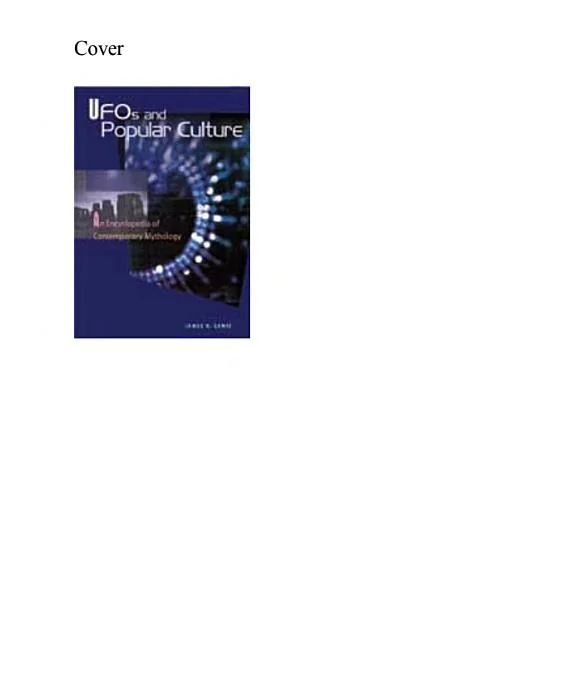
James R. Lewis’s *UFOs and Popular Culture* is less a critical analysis and more a comprehensive index of the cultural detritus surrounding the UFO phenomenon. Its strength lies in its encyclopedic scope, meticulously cataloging everything from alleged alien abduction narratives to the marketing of space-age aesthetics. The A-Z format is undeniably useful for quick reference. However, the work occasionally feels like a mere compilation, lacking deeper interpretive threads. For instance, its treatment of the “ancient astronaut” concept, while informative, doesn't fully engage with the critical anthropological critiques of such theories prevalent even by 2000. The limitation is that it documents without always interrogating the underlying cultural anxieties or desires these narratives fulfill. Ultimately, it serves as an invaluable, if dry, repository for anyone studying the sociology of belief or the iconography of the unknown.
📝 Description
75
James R. Lewis cataloged the cultural landscape of UFOs in a 2000 A-Z encyclopedia.
Published in December 2000, James R. Lewis's *UFOs and Popular Culture* is an illustrated A-Z encyclopedia that systematically examines the presence of UFOs across various cultural domains. It tracks how these phenomena have influenced religious beliefs, ancient legends, and modern media, including film, television, and internet content. The volume presents clear entries, allowing readers to quickly find information and encouraging further study of this persistent cultural fascination.
This work is useful for researchers in parapsychology, cultural historians, and students of folklore. It is also for anyone interested in the intersection of extraterrestrial narratives and societal consciousness. Lewis's catalog documents the diverse ways UFO beliefs manifest across different media and belief systems, from theories about humanity's origins to specific cultural artifacts that shape our understanding.
The book covers concepts like ancient astronaut theories, alleged connections between Satanism and extraterrestrial entities in cattle mutilation stories, and the influence of popular imagery in advertising. It structures how these ideas have been presented and received, showing the role UFO narratives play in shaping collective imagination and belief.
Within esoteric traditions, the study of UFOs often intersects with beliefs about hidden knowledge, non-human intelligences, and alternative cosmologies. This encyclopedia, while focused on popular culture, touches upon themes that resonate with esoteric thought, such as ancient astronaut theories that propose extraterrestrial involvement in early human history. It also documents how modern UFO sightings and narratives can be interpreted through frameworks similar to those found in occult or New Age belief systems, where unexplained phenomena are seen as manifestations of advanced beings or spiritual forces.
💡 Why Read This Book?
• Gain a structured understanding of the vast cultural footprint of UFO beliefs, from ancient astronaut theories to modern media representations, as detailed in the book's A-Z catalog. • Explore specific cultural touchstones like the alleged link between Satanism and cattle mutilations, understanding how these narratives function within popular discourse. • Discover the historical context of UFO cultural phenomena, with the book published in 2000, capturing a significant moment in the digital age's influence on belief systems.
⭐ Reader Reviews
Honest opinions from readers who have explored this book.
❓ Frequently Asked Questions
What is the primary focus of UFOs and Popular Culture?
The book is an illustrated A-Z encyclopedia that examines how UFOs have been represented in various aspects of popular culture, including religion, legends, movies, TV shows, advertising, and the internet.
Who is the author of UFOs and Popular Culture?
The author is James R. Lewis, a scholar known for his work on religion and paranormal phenomena. The book was first published in December 2000.
Does the book discuss ancient astronaut theories?
Yes, the work explores concepts such as whether humanity is the result of breeding experiments carried out by ancient astronauts, cataloging such ideas within its encyclopedic entries.
What kind of research opportunities does the book offer?
The encyclopedia is designed to facilitate further research by clearly locating topics and providing a comprehensive overview of the UFO phenomenon's cultural manifestations.
What is the format of UFOs and Popular Culture?
It is structured as an alphabetized encyclopedia, making it easy for readers to find specific topics and explore connections between different aspects of UFO culture.
Does the book cover modern UFO phenomena like internet sites?
Yes, the book's scope extends to contemporary manifestations, including Internet sites and photo opportunities, reflecting the evolving landscape of UFO culture up to its 2000 publication.
🔮 Key Themes & Symbolism
Extraterrestrial Narratives
This theme explores the diverse ways in which stories about extraterrestrial beings and their interactions with humanity have become embedded in cultural consciousness. From speculative origins of human life attributed to ancient astronauts to contemporary tales of abduction and visitation, the book catalogs these narratives. It examines how these stories are disseminated through various media, influencing belief systems and collective imagination, and how they often mirror deep-seated human desires and anxieties about the unknown and our place in the cosmos.
Cultural Mythology
The work examines UFOs as a modern form of mythology, analyzing how belief in extraterrestrial visitation functions similarly to older religious or folkloric narratives. It examines the creation of new mythic figures, celestial beings, and cosmic dramas within the UFO phenomenon. The encyclopedia maps the symbols, archetypes, and narrative structures that emerge, from the enigmatic alien beings themselves to the rituals and testimonies of experiencers, highlighting how these elements construct a shared, albeit often contested, cultural understanding.
Media and Belief
This theme investigates the powerful role of media in shaping and disseminating UFO beliefs. The encyclopedia details how films, television programs, advertising, and even early internet phenomena have contributed to the popularization and normalization of extraterrestrial themes. It illustrates how the visual and narrative language developed in media becomes intertwined with personal experiences and collective perception, demonstrating the symbiotic relationship between cultural production and the formation of belief in the modern era.
Fringe Belief Systems
The book provides a comprehensive overview of UFO phenomena as a significant aspect of contemporary fringe belief systems. It categorizes and explains various facets, from alleged cattle mutilations linked to satanic or extraterrestrial entities to the pseudoscientific claims of ancient astronauts. By organizing this information alphabetically, Lewis offers a structured way to understand the internal logic and external manifestations of these beliefs, positioning them within the broader range of alternative spiritualities and conspiracy theories.
💬 Memorable Quotes
Direct passages from the work, attributed to the author.
“Is the human race the result of a breeding experiment carried out by ancient astronauts?”
— This question captures a core speculative theme explored in the book, highlighting the enduring cultural fascination with extraterrestrial involvement in human origins and evolution.
“Are satanists, extraterrestrials—or both—mutilating cattle?”
— This query points to the intersection of seemingly disparate fringe beliefs—occultism and ufology—as presented within the encyclopedia, showcasing the often-unconventional connections drawn in popular culture.
“From religious beliefs and legends to movies and TV shows...”
— This phrase sets the stage for the book's comprehensive scope, indicating its intention to trace UFO motifs across a wide spectrum of cultural expressions and historical periods.
“...this illustrated A–Z encyclopedia makes it easy to locate each topic...”
— This highlights the book's practical, reference-oriented design, emphasizing its utility as a tool for researchers and curious readers to quickly access information on specific UFO-related subjects.
“...and the opportunities for further research assure its timeliness.”
— This suggests that the encyclopedia is not merely a static collection but a dynamic resource, designed to equip readers with the foundational knowledge needed to pursue ongoing investigations into the evolving UFO phenomenon.
🌙 Esoteric Significance
Tradition
While not strictly adhering to a single esoteric lineage, *UFOs and Popular Culture* engages with themes resonant within modern esoteric thought, particularly those influenced by Theosophy and New Age movements. Concepts like ancient astronauts and extraterrestrial intervention in human affairs echo earlier esoteric speculations about cosmic hierarchies and off-world intelligences influencing terrestrial development. The work serves as a catalog of these modern mythopoetic narratives, which, for some, function as a contemporary form of Gnosis or a revelation about humanity's true cosmic origins and destiny.
Symbolism
The book implicitly analyzes the symbolism embedded within UFO narratives. The flying saucer itself has become a potent modern symbol, representing the unknown, advanced technology, and otherworldly visitation—akin to celestial chariots in older mythologies. Figures like the 'Greys' or 'Nordics' function as archetypal beings, embodying fears of technological subjugation or hopes for benevolent guidance. The concept of 'abduction' can be interpreted as a symbolic representation of spiritual or psychological transformation, albeit through a technologically-framed lens.
Modern Relevance
Contemporary thinkers exploring transhumanism, artificial intelligence, and the search for extraterrestrial intelligence (SETI) can find valuable context in Lewis's work. The book's cataloging of belief systems surrounding advanced non-human intelligences provides a historical and cultural backdrop for current discussions about humanity's future and its potential cosmic connections. Esoteric practitioners interested in modern myth-making and the evolution of spiritual narratives will also find it relevant for understanding how perennial questions are addressed through contemporary technological and scientific frameworks.
👥 Who Should Read This Book
• Researchers of paranormal phenomena and cultural studies seeking a comprehensive catalog of UFO-related beliefs and their media manifestations. • Students of folklore and mythology interested in how contemporary narratives about extraterrestrials function as modern myths. • Skeptics and believers alike who wish to understand the breadth and depth of UFO cultural impact across various domains from religion to advertising.
📜 Historical Context
Published at the cusp of the new millennium in December 2000, *UFOs and Popular Culture* arrived during a fertile period for paranormal and extraterrestrial discourse. The late 20th century had witnessed a surge in UFO sightings, media portrayals, and academic interest, partly fueled by the release of films like *Close Encounters of the Third Kind* (1977) and television series such as *The X-Files* (debuted 1993). Lewis's work emerged in dialogue with a growing field of ufology, which included more analytical approaches like those of J. Allen Hynek, who sought to categorize UFO reports scientifically, and more speculative theories gaining traction in popular media. The book's encyclopedic format provided a much-needed catalog of the diverse manifestations of these beliefs, from ancient astronaut theories to modern internet lore, offering a structured overview at a time when information dissemination was rapidly accelerating online.
📔 Journal Prompts
The concept of ancient astronauts as presented in the encyclopedia.
Your personal interpretation of the symbolism associated with flying saucers.
How the media representations of UFOs, such as in films or TV shows, have shaped your understanding.
The connection between religious beliefs and UFO narratives explored in the book.
Reflect on the cultural function of UFO stories as modern mythology.
🗂️ Glossary
Ancient Astronauts
The theory proposing that extraterrestrial beings visited Earth in antiquity and influenced the development of human cultures, technologies, and religions, often cited as creators or instructors.
A-Z Encyclopedia
A reference book organized alphabetically by topic, designed for easy access to information on a specific subject, in this case, UFOs and their cultural impact.
Cattle Mutilation
The phenomenon of livestock, typically cattle, found dead with specific organs or tissues removed, often attributed in folklore and conspiracy theories to extraterrestrials or cult activities.
Cultural Phenomena
Observable trends, beliefs, or practices that are widespread within a society or group, often examined for their origins, development, and impact on collective consciousness.
Extraterrestrial
Originating from or existing outside the planet Earth; relating to beings from other worlds.
Photo Ops
Opportunities for photographic documentation, often referring to alleged visual evidence of UFOs or extraterrestrial encounters captured in images.
UFO
An acronym for Unidentified Flying Object, a term used to describe any aerial phenomenon that cannot be readily identified or explained.
This book appears in 1 collection
🔮 Readers Also Liked
Browse all →









From the “Ancient Astronauts” Collection
View all →







More Free Occult Philosophy Books
View all →