The Widow's Son

 82
82

The Widow's Son
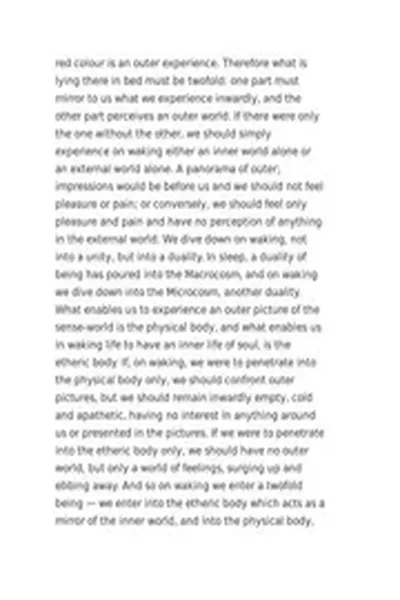
Robert Anton Wilson's "The Widow's Son" presents a Paris of 1772 where history is a stage for secret cabals and Sigismundo Celine is a pawn. The novel succeeds in its ambitious portrayal of a clandestine world, weaving together Freemasons, Rosicrucians, and Jacobites into a plausible, if speculative, historical conspiracy. Wilson's strength lies in his ability to imbue these groups with tangible motivations, making the machinations feel less like abstract theories and more like the dangerous game of power it was. However, the sheer density of factions and their intricate plotting can, at times, obscure the narrative thread, demanding significant reader attention to track the allegiances and betrayals. A passage detailing the Rosicrucian's veiled communication methods, for instance, illustrates the book's unique blend of historical detail and esoteric speculation, though it also exemplifies the narrative's occasional tendency towards over-complexity. Ultimately, "The Widow's Son" offers a compelling, albeit dense, exploration of historical puppetry.
📝 Description
82
Robert Anton Wilson's 1991 novel, "The Widow's Son," depicts 18th-century Paris as a stage for secret society machinations.
Set in 1772, "The Widow's Son" follows Sigismundo Celine as he becomes entangled in a complex web of conspiracy. The narrative unfolds in pre-Revolutionary Paris, where Freemasons, English nobility, Jacobites, Rosicrucians, and the French elite are presented as players manipulating historical events. Wilson imagines the hidden forces that purportedly steer world history, offering a fictional account of power dynamics during the Enlightenment.
The book is suited for readers interested in conspiracy theories, alternate history, and the occult influences on historical occurrences. Those who enjoy intricate plots involving secret societies, historical figures, and philosophical ideas will find "The Widow's Son" a rich read. It appeals to an audience that likes to consider the intersection of esoteric beliefs and geopolitical events, especially in the context of the Enlightenment and the build-up to the French Revolution.
Published in 1991, "The Widow's Son" draws on a long tradition of speculative fiction that examines the role of secret societies in shaping history. The novel's setting in 1772 Paris highlights the proliferation of groups like Freemasonry and Rosicrucianism, which were seen by some as influential, even clandestine, forces. Wilson taps into this fascination, suggesting that individuals and groups operating outside conventional power structures might guide societal development, a theme explored in various occult and esoteric circles.
💡 Why Read This Book?
• Understand the alleged influence of 18th-century secret societies like the Rosicrucians and Freemasons on political events, moving beyond general notions of conspiracy to specific historical contexts. • Explore the concept of Sigismundo Celine's destined role within a hidden historical narrative, questioning agency and predestination as presented in the Parisian setting of 1772. • Appreciate Robert Anton Wilson's unique narrative style that merges historical fiction with esoteric philosophies, offering a distinct perspective on the power structures active before the French Revolution.
⭐ Reader Reviews
Honest opinions from readers who have explored this book.
❓ Frequently Asked Questions
What historical period does "The Widow's Son" primarily focus on?
The novel is set in Paris during the year 1772, a pivotal time leading up to the French Revolution, exploring the influence of secret societies and political factions of the late Enlightenment era.
Which secret societies are mentioned in "The Widow's Son"?
Key societies featured include the Freemasons, Rosicrucians, Jacobites, and the ruling clique of pre-Revolutionary France, all depicted as vying for influence.
Who is Sigismundo Celine?
Sigismundo Celine is the central character in "The Widow's Son," a figure who believes he is destined to play a significant role in the hidden history being shaped by various powerful factions.
What is the core theme of "The Widow's Son"?
The core theme revolves around the pervasive influence of secret societies and power elites in shaping world events, presenting a narrative of historical conspiracy and hidden machinations.
When was "The Widow's Son" first published?
Robert Anton Wilson's "The Widow's Son" was first published on April 3, 1991.
What is the overall tone of "The Widow's Son"?
The tone is one of historical intrigue and speculative conspiracy, blending elements of espionage, esoteric philosophy, and political drama within an 18th-century setting.
🔮 Key Themes & Symbolism
Secret Societies and Power
The novel posits that history is not solely driven by visible political forces but by the clandestine machinations of secret societies. It details the alleged influence of groups like the Freemasons and Rosicrucians in 18th-century Paris, suggesting an "inner circle" controls central events. The narrative highlights how these organizations, with their own esoteric doctrines and agendas, operate behind the scenes, manipulating individuals and nations to achieve their hidden objectives, particularly in the volatile period leading up to the French Revolution.
Destiny and Agency
Central to "The Widow's Son" is the theme of individual destiny versus the perceived predetermined course of history. Sigismundo Celine believes he is meant to be a key player in the grand conspiracy, questioning whether his actions are his own or part of a larger, preordained plan. This exploration examines the tension between free will and determinism, particularly when individuals find themselves entangled in forces beyond their comprehension, suggesting that even those who believe they are agents of change may merely be fulfilling roles assigned by hidden powers.
Esoteric Underpinnings of History
Wilson integrates esoteric beliefs and practices as integral components of historical influence. The novel suggests that the rituals, symbols, and philosophies of groups like the Rosicrucians provided not just spiritual guidance but also a framework for political and social engineering. It examines how these mystical traditions, often operating outside mainstream understanding, could have profoundly shaped the decisions of historical figures and the trajectory of major events, presenting a view of history as being subtly guided by occult forces.
The Enlightenment's Shadow
Set during the Enlightenment, the book scrutinizes the period's outward embrace of reason and progress by revealing the concurrent prevalence of mysticism and secret societies. While the era championed rationality, "The Widow's Son" illustrates how occultism and clandestine networks flourished, often working in parallel or opposition to public philosophical movements. This juxtaposition highlights the complex, often contradictory, intellectual range of 18th-century Europe, where visible progress masked hidden currents of esoteric influence and power struggles.
💬 Memorable Quotes
Direct passages from the work, attributed to the author.
“The masons, the English nobility, the Jabobites, the Rosicrucians, the ruling clique of pre-Revolution France: these are but a few of the factions involved in the machinations.”
— This statement outlines the intricate web of competing and cooperating secret societies and political groups that Wilson imagines are actively manipulating events in 1772 Paris.
“Only an inner circle of power elite know the full extent of the influence of the conspiracy.”
— This concept underscores the novel's central thesis: that significant historical outcomes are orchestrated by a select, hidden group with vast, often unacknowledged, power and knowledge.
“Throughout history, secret societies have played an important role in shaping events that have created our world.”
— This foundational premise suggests that historical narratives often omit the wide impact of clandestine organizations, positioning them as essential, albeit unseen, architects of civilization.
“It is Paris, 1772...”
— This specific temporal and geographical anchor grounds the expansive conspiracy narrative in a concrete historical moment, immersing the reader in the charged atmosphere of pre-revolutionary France.
💡 Key Ideas
Editorial paraphrase of the work's core concepts — not direct quotes.
Sigismundo Celine knows he is destined to play an important part in this history-behind-history.
This line captures the protagonist's belief in a predetermined role within a hidden, conspiratorial layer of historical events, setting the stage for his entanglement with powerful secret societies.
🌙 Esoteric Significance
Tradition
The work draws heavily from the Western Esoteric Tradition, particularly Hermeticism and Rosicrucianism, while also incorporating elements of conspiracy theory and Gnosticism. It positions these traditions not merely as philosophical systems but as active forces shaping historical events. Wilson departs from purely historical accounts by positing a tangible, conspiratorial agency within these lineages, suggesting their symbolic language and rituals were tools for occult governance and societal manipulation, particularly during the volatile pre-Revolutionary period.
Symbolism
Key symbols include the Rosicrucian rose and cross, representing hidden knowledge and spiritual transformation, often intertwined with political objectives in the novel. The concept of the 'inner circle' serves as a potent symbol for hidden authority and exclusive knowledge, implying that true power resides beyond public view. Sigismundo Celine's own journey can be interpreted as symbolic of the individual's struggle to discern agency within a seemingly predetermined, orchestrated historical process, navigating a landscape veiled by esoteric allegory.
Modern Relevance
Contemporary thinkers exploring the intersection of occultism, history, and power structures continue to find value in Wilson's speculative approach. His work appeals to modern conspiracy theorists, chaos magicians, and proponents of counter-culture philosophies who question official historical narratives. The novel's exploration of how symbolic systems and secret societies can allegedly influence mass consciousness and geopolitical events finds echoes in discussions about media manipulation, memetics, and the persistent allure of hidden knowledge in the digital age.
👥 Who Should Read This Book
• Students of esoteric history and secret societies interested in fictionalized explorations of groups like the Rosicrucians and Freemasons in an 18th-century setting. • Readers of speculative fiction and alternate history who enjoy intricate plots involving political intrigue and hidden power structures. • Individuals fascinated by the philosophical underpinnings of conspiracy theories and the concept of historical determinism, particularly within the context of the Enlightenment and the French Revolution.
📜 Historical Context
Robert Anton Wilson's "The Widow's Son," first published in 1991, is set in Paris, 1772, a period brimming with intellectual ferment and political undercurrents. The Enlightenment was in full swing, yet clandestine societies like Freemasonry and Rosicrucianism thrived, attracting intellectuals and aristocrats alike. These groups operated outside the mainstream, fostering esoteric philosophies and alleged political agendas. Wilson's work taps into the historical fascination with these hidden networks, presenting them as active players in shaping events that would soon culminate in the French Revolution. In this era, thinkers like Voltaire were publicly championing reason, while simultaneously, hidden cabals were purportedly tying intricate plots. The novel's depiction of these competing forces reflects the complex intellectual range of the time, where visible societal progress often masked deeper, esoteric power struggles and conspiratorial thinking.
📔 Journal Prompts
Sigismundo Celine's perceived destiny within the history-behind-history.
The competing machinations of the Freemasons, Rosicrucians, and Jacobites in 1772 Paris.
The concept of an 'inner circle' controlling world events.
The role of secret societies in shaping the pre-Revolutionary French landscape.
The tension between visible reason and hidden esoteric influence during the Enlightenment.
🗂️ Glossary
Freemasons
A fraternal organization originating in the late 16th to early 17th century. Known for its ritualistic practices and degrees, it has historically been associated with Enlightenment ideals and, by some, with secret political influence.
Rosicrucians
Members of a legendary secret order founded in the early 17th century, supposedly linked to the philosopher Christian Rosenkreuz. Associated with mystical and esoteric knowledge, alchemy, and spiritual transformation.
Jacobites
Supporters of the deposed Stuart dynasty in Great Britain and Ireland, particularly during the late 17th and 18th centuries. They sought to restore the monarchy, often engaging in political intrigue and clandestine operations.
Pre-Revolutionary France
The period in French history leading up to the French Revolution of 1789. Characterized by social unrest, political instability, and the influence of Enlightenment ideas alongside lingering aristocratic power.
History-behind-history
A concept suggesting that the publicly recorded historical events are only a surface layer, with deeper, often conspiratorial, forces and hidden actors secretly directing the true course of human events.
Inner Circle
Refers to a select, often clandestine, group of individuals who possess ultimate knowledge and control over significant events or organizations, operating beyond the awareness of the general populace.
Enlightenment
An 18th-century intellectual and philosophical movement emphasizing reason, individualism, and skepticism towards traditional authority. It promoted ideas of liberty, progress, and secularism, though often coexisted with esoteric beliefs.
This book appears in 1 collection
🔮 Readers Also Liked
Browse all →





From the “Illuminati” Collection
View all →




More Free Freemasonry & Secret Societies Books
View all →